




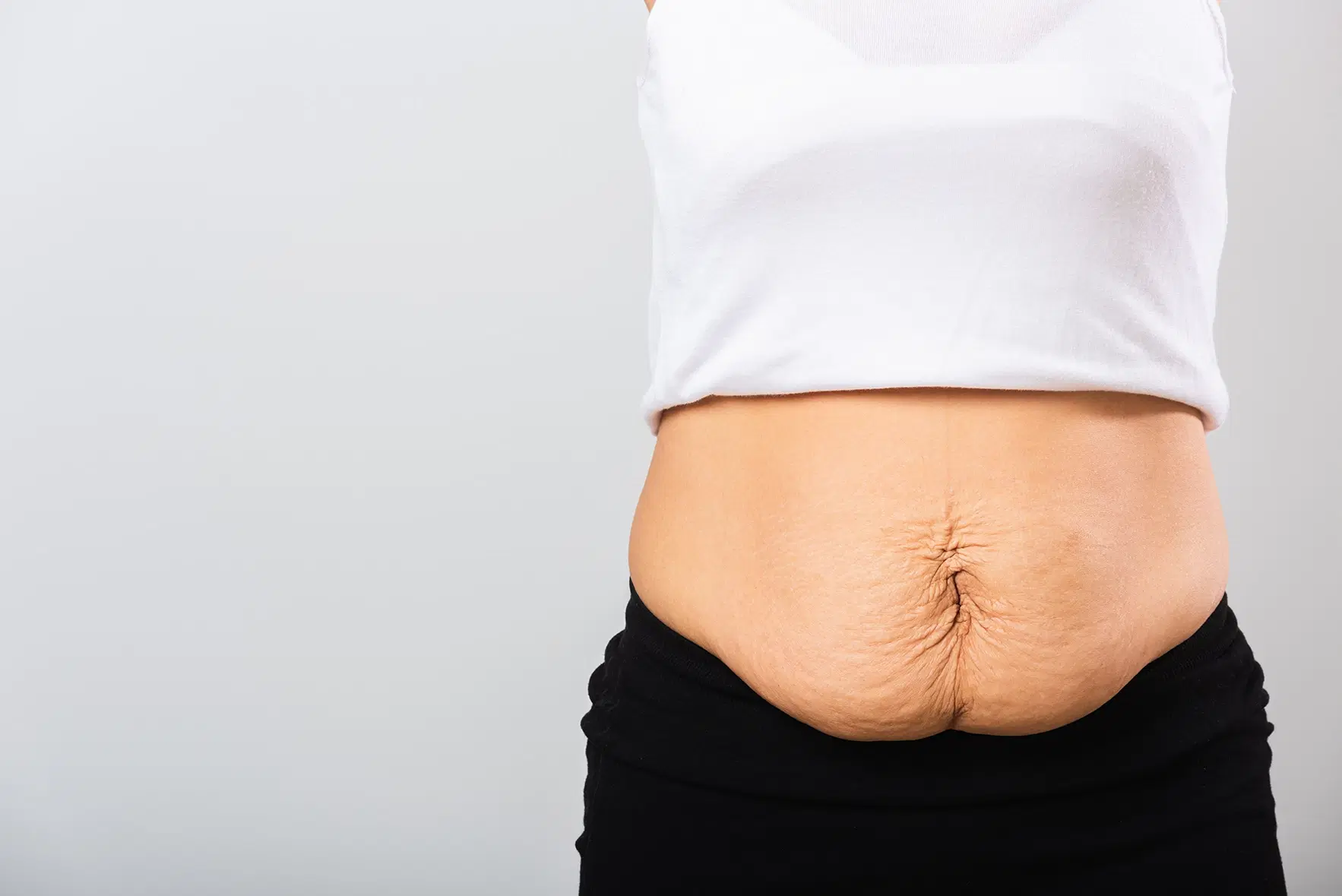
Loose skin around the stomach can remain even when you exercise regularly and maintain a stable weight. While exercise can strengthen the abdominal muscles and support fat loss as part of an appropriate weight-management approach, it cannot directly remove excess skin or fully restore skin that has lost significant elasticity.
This distinction matters because what looks like abdominal looseness may be caused by several factors, including excess skin, remaining fat, reduced muscle tone or a combination of these. Understanding what is contributing to the change can help you set realistic expectations about what exercise may achieve and whether other approaches are worth considering.
Key Takeaways
- Exercise can strengthen and define the abdominal muscles but cannot directly tighten or remove excess skin.
- Fat loss through exercise may change the shape of the abdomen, although loose skin can remain after the underlying fat is reduced.
- Pregnancy, significant weight changes, ageing and individual skin elasticity can influence how well abdominal skin contracts.
- Persistent abdominal laxity does not automatically mean that surgery is needed. The appropriate approach depends on its cause, extent and your individual goals.
Can Exercise Actually Tighten Loose Stomach Skin?
Exercise cannot directly tighten significant amounts of loose abdominal skin, although it can improve the appearance of the area by strengthening the muscles beneath it and changing overall body composition.
Skin has some natural ability to contract, particularly when it retains good elasticity. However, exercise works primarily on muscle and body fat rather than the skin itself. If the main concern is reduced muscle tone, strengthening the abdominal muscles may make the stomach look firmer. If excess body fat is contributing to fullness, regular exercise alongside appropriate nutrition may also reduce it.
When stretched or lax skin is the main concern, however, exercise cannot make that excess tissue disappear. This is why someone can be physically fit and still notice folds, wrinkling or loose skin around the abdomen.
How Can You Tell Whether Abdominal Looseness Is Skin, Fat or Muscle?
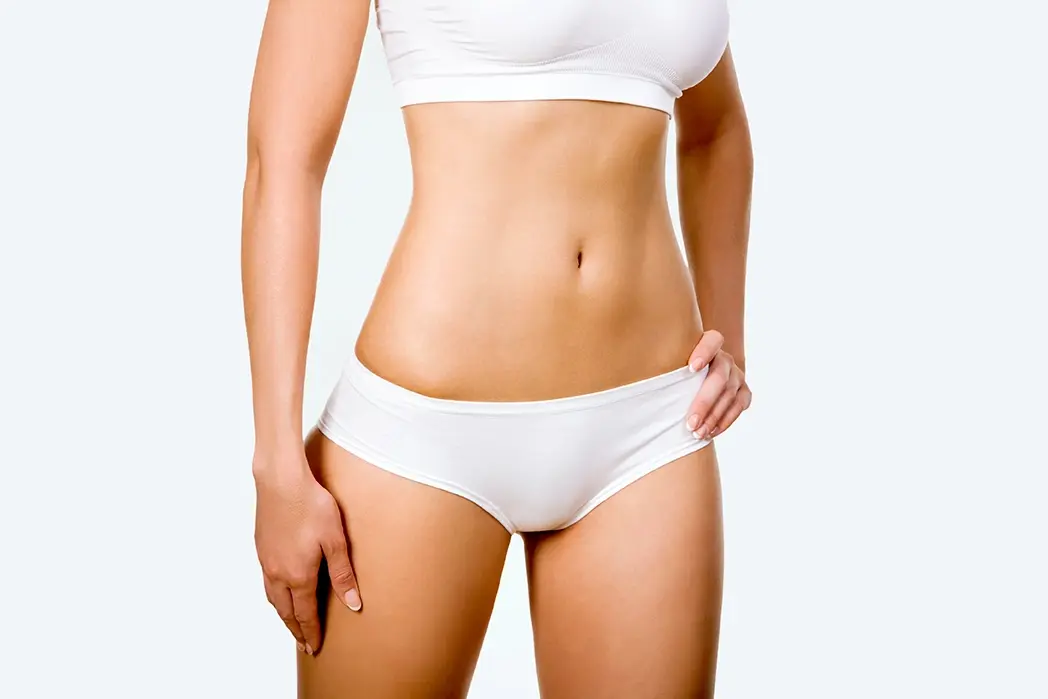
Abdominal looseness can be related to excess skin, fat, reduced muscle tone or changes to the abdominal wall. While there are some general differences in how each may look or feel, it may not always be possible to identify the cause based on appearance alone.
These factors can also overlap. For example, pregnancy can stretch the abdominal skin while affecting the underlying abdominal wall, while significant weight loss may reduce fat volume but leave skin that does not fully contract.
Why Does Loose Abdominal Skin Sometimes Remain After Weight Loss?
Loose abdominal skin may remain after weight loss because skin does not always contract at the same rate or to the same extent as the underlying body becomes smaller.
Skin elasticity varies between individuals and can be influenced by factors such as age, genetics, the amount of stretching that occurred and how long the skin remained stretched. Pregnancy and substantial changes in weight can place particular strain on the abdominal skin.
As a result, reaching a healthier or more stable weight does not necessarily mean that the skin will return to its previous position. The extent of remaining skin laxity varies between individuals, and substantial excess skin may persist even after weight has stabilised.
Should You Reach a Stable Weight Before Considering Other Options?
A stable weight is generally helpful before assessing persistent abdominal skin laxity because further substantial weight changes can alter the abdominal contour and affect the results of treatment.
For someone who is still actively losing weight, it may be reasonable to continue with sustainable exercise and nutrition habits before deciding whether the remaining skin is a concern. The appearance of the abdomen can continue to change as body composition changes and weight stabilises.
Future pregnancy plans are also relevant, particularly when considering surgical treatment, as pregnancy can stretch the abdominal skin and wall again.
For people considering a tummy tuck in Singapore, also known as abdominoplasty, the procedure is designed to address excess abdominal skin and may also involve the underlying abdominal wall where appropriate. However, it is not a substitute for weight loss. Suitability depends on factors such as weight stability, anatomy, general health, future pregnancy plans and individual expectations.
Address Loose Abdominal Skin at SW1 Plastic Surgery
If exercise has improved your fitness and abdominal strength but loose skin remains, understanding why it persists can be more helpful than simply exercising harder. An assessment can help distinguish between excess skin, fat and changes to the abdominal wall, providing greater clarity on whether further treatment may be appropriate or whether continued lifestyle measures may be sufficient.
At SW1 Plastic Surgery, we take into account each patient’s concerns, goals and individual anatomy. Any treatment options discussed are considered based on suitability and realistic expectations rather than a one-size-fits-all approach.
Dr Tan Ying Chien has a background in reconstructive, craniofacial and aesthetic surgery, while Dr Wu Yijun is an MOH-accredited surgeon with experience in reconstructive and aesthetic plastic surgery. Their respective clinical experience supports a considered, individualised approach to care, with attention given to both aesthetic goals and the longer-term implications of treatment.
If persistent abdominal skin laxity is affecting how you feel about your abdominal contour, book an appointment with us for an assessment and to discuss whether continued lifestyle measures or another option may be suitable for you.
Frequently Asked Questions About Loose Abdominal Skin and Body Changes
Loose abdominal skin is often primarily a cosmetic concern, but larger skin folds can sometimes be associated with friction, irritation or difficulty keeping the area dry. If you develop persistent rashes, pain, broken skin or other symptoms, consider seeking medical advice to determine the cause and appropriate management.
There is no single timeline that applies to everyone because postpartum recovery differs between individuals. The abdomen can continue changing after pregnancy as the uterus contracts, weight changes and tissues recover. If you are considering an aesthetic procedure, you can seek medical advice on suitable timing based on your recovery, health and future pregnancy plans.
It is not always possible to prevent loose skin, particularly after substantial weight loss. The degree of skin laxity depends on several factors that cannot be fully controlled, including genetics, age and how much the skin was previously stretched. A gradual, sustainable approach to weight management can support general health, but it cannot guarantee that loose skin will not develop.
Stretch marks are changes within the skin itself, so they do not necessarily disappear when the abdominal contour changes. Their appearance may fade naturally over time. If skin containing stretch marks is surgically removed, some of those marks may also be removed, but this depends on their location and the extent of skin removal.