




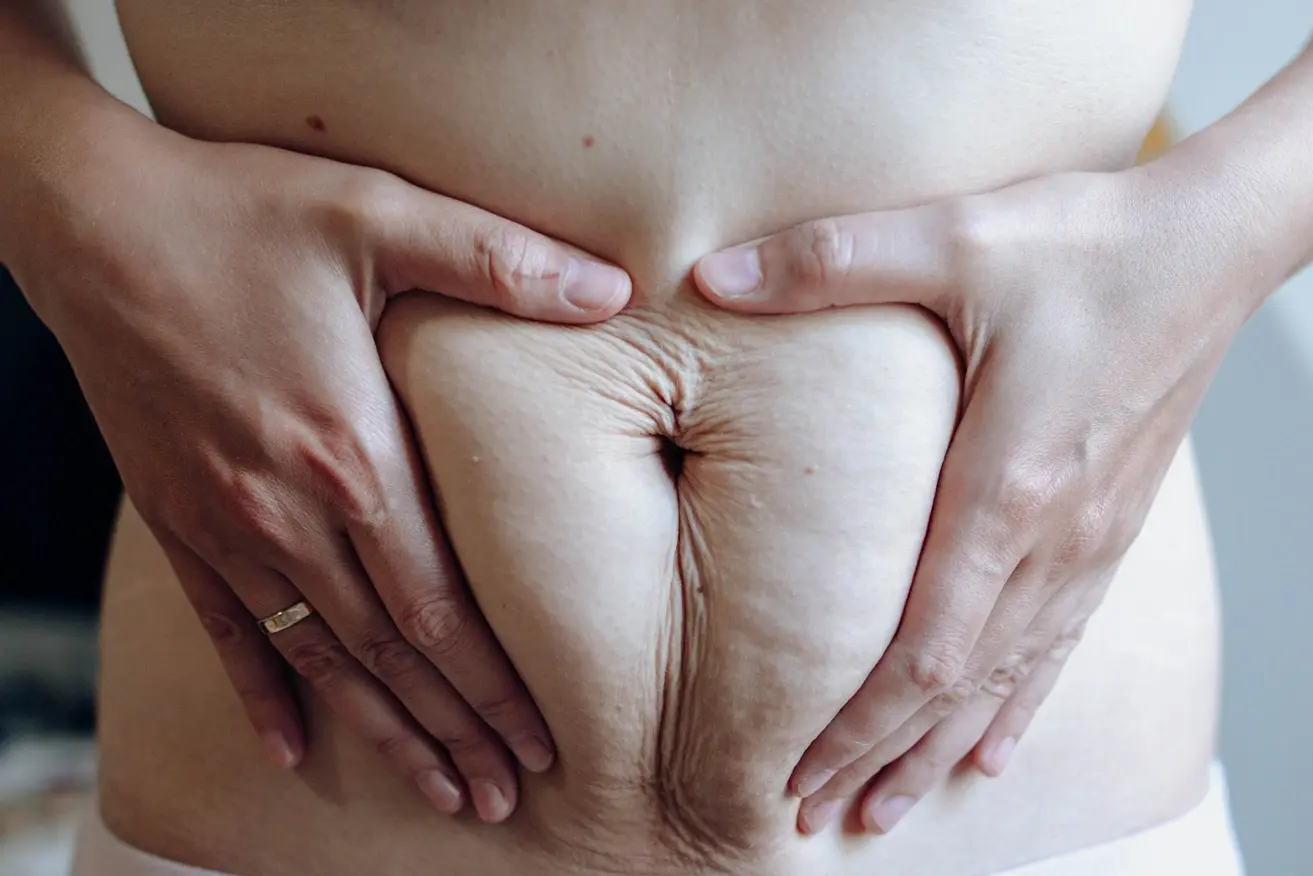
After pregnancy, it can take time for your abdomen to gradually recover and for pregnancy-related changes to gradually subside. However, even after your weight has stabilised and sufficient time has passed since childbirth, you may still notice a rounded or prominent abdomen that does not seem to improve with exercise or further weight loss.
This abdominal bulge may be caused by underlying structural changes, which could make it difficult to fully resolve through your own efforts. Understanding which of these changes is contributing to the bulge can help determine which management options may be suitable and whether a tummy tuck should be considered.
Why Doesn't Exercise Always Flatten the Abdomen After Pregnancy?
Exercise can help rebuild abdominal strength, improve core function and reduce excess body fat after pregnancy. However, some changes associated with pregnancy involve stretched skin, connective tissue and other supporting structures that cannot always be restored through exercise alone.
As a result, even with stronger abdominal muscles and reduced body fat, some degree of abdominal prominence may remain. Understanding the different changes that can contribute to this bulge is important for identifying which aspects may respond to non-surgical measures and which may require other forms of treatment.
What Changes Can Pregnancy Cause to the Abdomen?
During pregnancy, the abdominal wall and surrounding tissues stretch to accommodate the growing uterus. After delivery, these tissues gradually recover, but they do not always regain their original firmness and tension. A persistent abdominal bulge can therefore result from one or several changes.
Diastasis Recti (Abdominal Muscle Separation)
Diastasis recti occurs when the connective tissue between the two rectus abdominis muscles stretches and widens, allowing the muscles to move further apart. When the separation persists, the abdominal wall may provide less support, making the abdomen appear more prominent, particularly when standing or straining. This may contribute to a persistent central bulge or reduced firmness through the abdomen after delivery.
Abdominal Wall Laxity
Pregnancy can also stretch the muscles and supporting tissues that form the abdominal wall. Even when pronounced muscle separation is not present, reduced tension within these structures may contribute to a softer or more prominent abdominal contour. This means someone may have relatively little excess skin but still notice that the abdomen projects forwards because the deeper supporting tissues have lost some of their original firmness and tension.
Changes in Skin and Abdominal Fat
Abdominal skin stretches considerably during pregnancy and may not fully contract afterwards. Pregnancy and subsequent weight changes can also affect the amount and distribution of subcutaneous fat, which is the fat located directly beneath the skin.
While excess abdominal fat can often be reduced through diet and exercise, loose skin may remain even after weight loss. These differences are important when considering whether lifestyle measures are likely to improve the abdominal bulge or whether other treatment options may be needed.
How Can a Tummy Tuck Help Address a Post-Pregnancy Abdominal Bulge?
A tummy tuck, or abdominoplasty, may be considered when persistent abdominal changes are significant enough to warrant surgical correction and the expected improvements justify the procedure and its recovery.
Removing Excess Skin
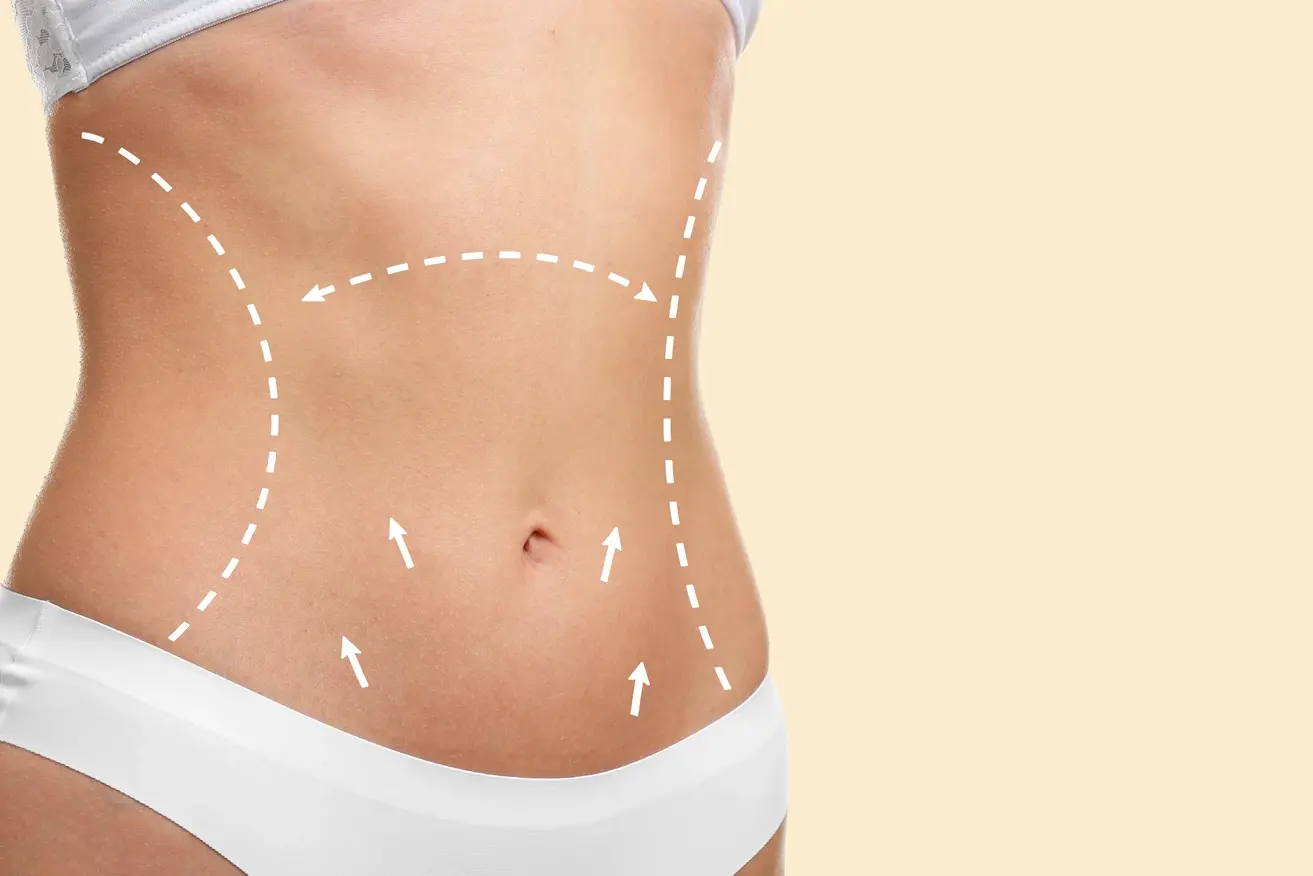
During a tummy tuck, excess abdominal skin and underlying tissue can be removed through an incision in the lower abdomen, with the remaining skin repositioned to create the new abdominal contour.
The extent of tissue removal and length of the incision depend on the amount and location of excess tissue. A full tummy tuck can address more extensive skin laxity and usually involves repositioning the belly button, while a more limited procedure may focus primarily on tissue below the navel.
Tightening the Abdominal Wall
When diastasis recti or abdominal wall laxity contributes to the bulge, tightening of the abdominal wall may be incorporated into a tummy tuck.
The surgeon tightens the connective tissue over the rectus muscles, bringing the separated muscles closer towards the midline and reinforcing the abdominal wall. The abdominal muscles themselves are not removed or shortened.
Not everyone undergoing a tummy tuck requires this step. Whether abdominal wall tightening is appropriate depends on the changes identified during examination and the intended surgical plan.
Combination With Liposuction
Some patients have a combination of excess skin, abdominal wall laxity and localised subcutaneous fat. In these cases, liposuction may sometimes be performed alongside a tummy tuck to address selected areas of fat and complement the overall abdominal contour.
Liposuction removes selected deposits of subcutaneous fat, which can help refine areas of fullness that would not be adequately addressed through skin removal and abdominal wall tightening alone. The extent and location of liposuction must be carefully planned to preserve adequate blood supply to the remaining abdominal skin and reduce the risk of healing complications.
Beyond the changes being addressed, the decision to undergo a tummy tuck also involves considering your recovery from childbirth, weight stability and future pregnancy plans. Surgery is generally considered once your weight has stabilised and sufficient time has passed since delivery, while plans for further pregnancies may influence whether it is better to proceed or postpone the procedure.
Address Post-Pregnancy Abdominal Concerns With SW1 Plastic Surgery
If you remain concerned about the appearance of your abdomen after pregnancy, particularly when your own efforts to improve it have produced limited results, you may wish to explore whether a tummy tuck could sufficiently address the changes that remain. Understanding the underlying causes and what can realistically be achieved through surgery can help you make a more informed decision about treatment.
At SW1 Plastic Surgery, patients considering tummy tuck surgery can undergo an individual assessment of their abdominal anatomy, concerns and treatment goals. Consultant Plastic Surgeons Dr Tan Ying Chien and Dr Wu Yijun are able to evaluate your abdominal anatomy alongside your treatment goals to determine whether abdominoplasty, with or without liposuction, may be suitable for you.
Schedule a consultation to discuss your expectations, understand the considerations involved in tummy tuck surgery and make an informed decision about your next steps.
FAQs About Post-Pregnancy Abdominal Bulges
Yes, diastasis recti can recur after surgical repair if the connective tissue stretches again and the rectus muscles move further apart. This can happen following another pregnancy or substantial weight fluctuations, which place renewed tension on the repaired abdominal wall. Maintaining a stable weight can help reduce the likelihood of recurrence, although it cannot eliminate the risk entirely.
It is still possible to undergo a tummy tuck even if you plan to become pregnant again. However, it is generally advisable to wait until you are no longer planning further pregnancies, as pregnancy can stretch the abdominal skin and supporting tissues again, potentially affecting or even reversing the surgical results.
Yes. Abdominal muscle repair corrects the separation by tightening the connective tissue between the rectus muscles, but it does not strengthen the muscles themselves. Core exercises remain important for rebuilding abdominal strength, improving stability and supporting everyday movements. However, you should avoid strenuous abdominal exercises during the initial recovery period to allow the repaired tissues to heal.
A tummy tuck can sometimes remove an existing C-section scar if it falls within the excess skin being excised during surgery. This is more likely when the scar is located low on the abdomen and sufficient skin can be removed. However, the tummy tuck will leave a new surgical scar, typically extending across the lower abdomen.