




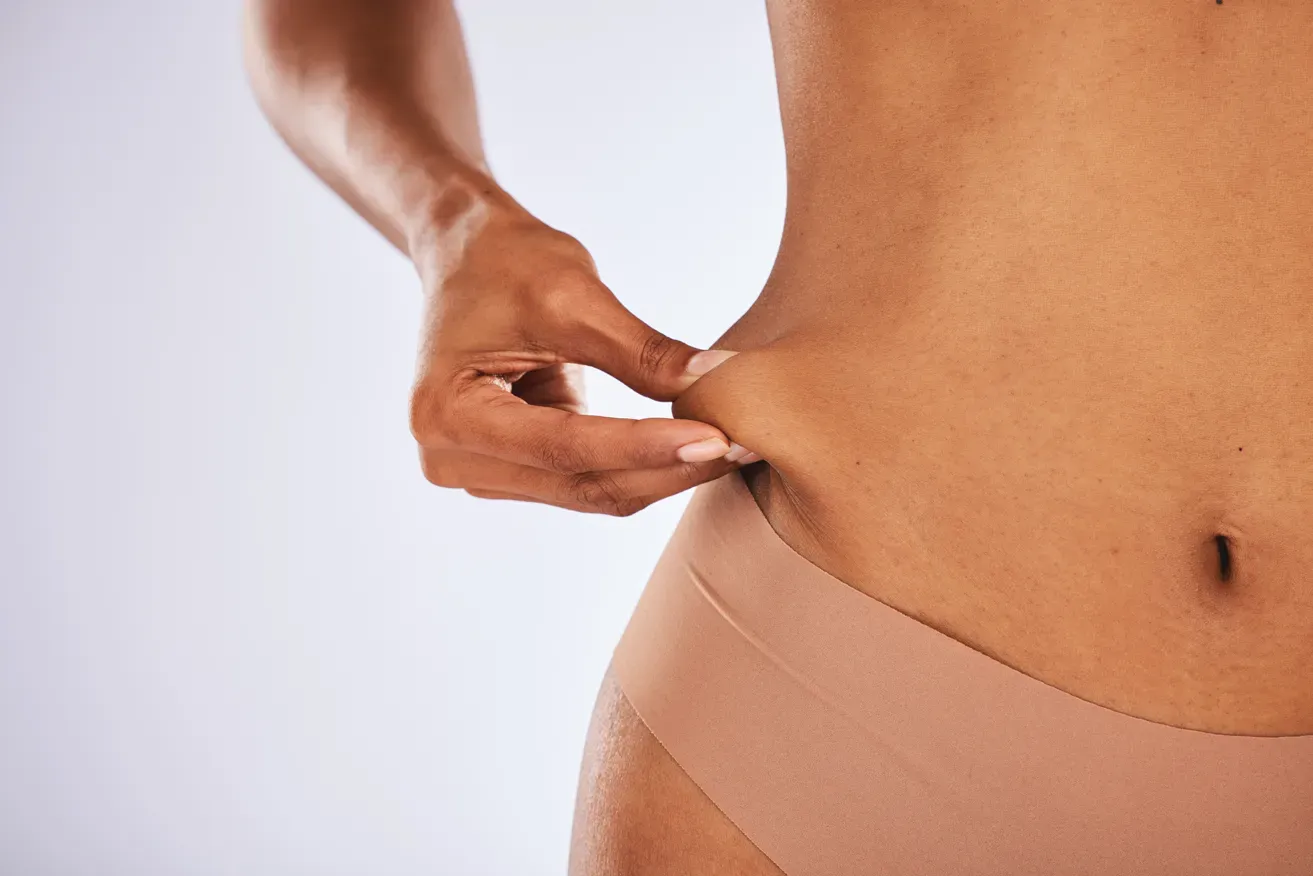
Loose abdominal skin, stretched muscles and changes in body shape can develop after pregnancy, significant weight loss or natural ageing. While healthy eating and regular exercise remain important for overall health, they cannot always restore the abdomen to its previous shape.
For some individuals, abdominoplasty surgery may be considered to address these concerns. Understanding the different surgical approaches, who may benefit from the procedure and what to expect before and after surgery can help you decide whether it is the right option for your goals.
Types of Abdominoplasty
Abdominoplasty, commonly known as a tummy tuck, is not a one-size-fits-all procedure. The surgical technique is tailored according to the amount of excess skin, muscle laxity and the areas requiring correction to achieve the most appropriate outcome.
Full Abdominoplasty
A full abdominoplasty addresses both the upper and lower abdomen. The procedure removes excess skin and fat while repairing weakened or separated abdominal muscles where appropriate. The belly button may also be repositioned to maintain a natural-looking result when larger amounts of skin are removed.
Mini Abdominoplasty
A mini abdominoplasty focuses on the lower abdomen below the belly button using a shorter incision. It is generally considered for individuals with mild skin laxity or a small amount of excess tissue confined to the lower abdomen.
Extended Abdominoplasty
An extended abdominoplasty treats the abdomen as well as the flanks and lower back. It may be recommended for patients with more extensive skin excess, particularly following significant weight loss.
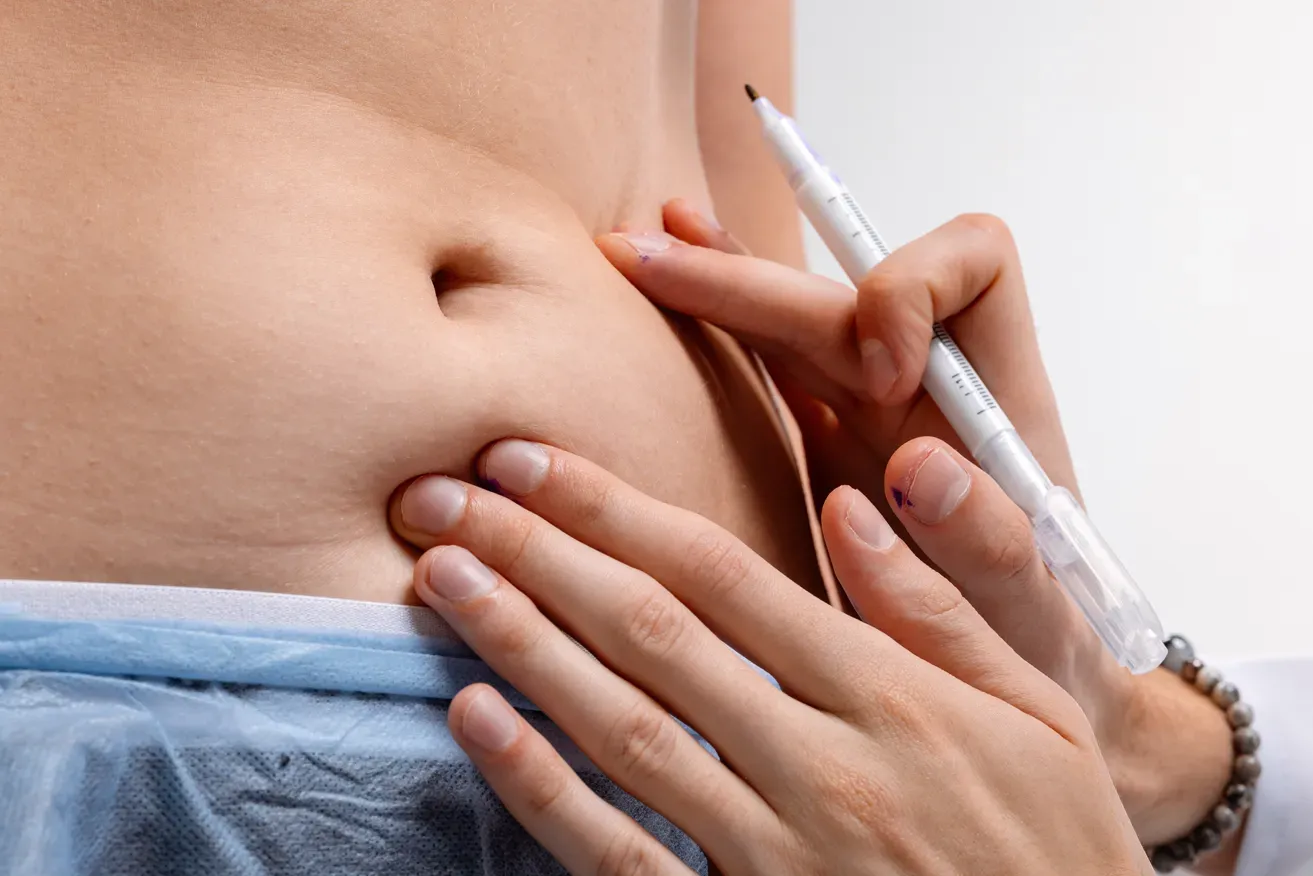
During your consultation, your plastic surgeon will assess your anatomy, skin quality and treatment goals before recommending the most suitable approach.
Who May Be Suitable for Abdominoplasty?
Although abdominoplasty can improve abdominal contours, it is not intended as a weight loss procedure. The surgery is generally most suitable for individuals who have reached a stable weight and wish to address excess skin or weakened abdominal tissues.
You may be a suitable candidate if you:
- Have excess abdominal skin or stretched tissues
- Have separated abdominal muscles where surgical repair may be beneficial
- Are close to your ideal body weight and have maintained a stable weight
- Are in good general health
- Do not smoke, or are willing to stop smoking before and after surgery
- Have realistic expectations about the outcome
Patients planning future pregnancies or significant weight changes may be advised to postpone surgery, as these can affect long-term results.
What Happens During Abdominoplasty?
Abdominoplasty is usually performed under general anaesthesia and typically takes between two and four hours, depending on the extent of correction required. Through carefully planned incisions, excess skin and fat are removed before the remaining tissues are reshaped to create a smoother abdominal contour. Where appropriate, weakened abdominal muscles are repaired to improve support and definition.
What Are the Benefits of Abdominoplasty?
For suitable candidates, abdominoplasty can improve both the appearance and function of the abdominal area. Beyond creating a smoother contour, the procedure may address concerns that affect everyday comfort and support long-term body proportions.
Addressing Loose or Sagging Skin
Loose or overhanging abdominal skin that remains after pregnancy or significant weight loss can be removed, creating a smoother and firmer abdominal contour.
Repair of Separated Abdominal Muscles
Where appropriate, abdominoplasty can repair weakened or separated abdominal muscles (diastasis recti). This may improve abdominal support and restore a firmer abdominal wall.
Improved Clothing Comfort and Fit
Reducing excess skin around the abdomen may make clothing fit more comfortably and reduce irritation caused by skin folds during everyday activities.
Long-Lasting Body Contouring Results
The improvements achieved with abdominoplasty can be long-lasting when combined with a stable weight and healthy lifestyle. Maintaining these habits helps preserve the surgical outcome over time.
Understanding the Risks of Abdominoplasty
Like any surgical procedure, abdominoplasty carries potential risks. Understanding these beforehand allows you to make an informed decision and prepare appropriately for surgery.
Potential risks include:
- Bleeding
- Infection
- Fluid accumulation (seroma)
- Delayed wound healing
- Changes in skin sensation
- Scarring
- Blood clots
- Anaesthetic-related complications
Your plastic surgeon will discuss these risks in detail during your consultation and explain the measures taken to support a safe recovery.
What Can You Expect During Recovery?
Recovery takes place gradually, with most patients returning to their normal routine over several weeks.
The First Few Weeks
Swelling, bruising and a feeling of tightness are common during the first one to two weeks. Compression garments are typically worn for four to six weeks to reduce swelling and support healing.
Returning to Daily Activities
Light walking is usually encouraged soon after surgery to promote circulation. Many patients can resume light daily activities within seven to ten days, although heavy lifting, strenuous exercise and core strengthening activities should be avoided until your surgeon advises it is safe.
Long-Term Healing
Most patients recover over approximately six to eight weeks, while the final abdominal contour continues to develop over the following three to six months as swelling settles. Scars gradually soften over time and are usually positioned where they can be concealed beneath underwear or swimwear.
Attending scheduled follow-up appointments allows your surgeon to monitor healing and support your recovery throughout the process.
Choosing the Right Approach to Abdominoplasty
Every patient's anatomy and treatment goals are different, which is why abdominoplasty should be carefully planned rather than approached as a one-size-fits-all procedure. A comprehensive assessment allows your surgeon to recommend the most appropriate technique while helping you prepare for surgery and recovery with realistic expectations.
At SW1 Plastic Surgery in Singapore, careful planning is an important part of every abdominoplasty procedure. Under the care of Dr Tan Ying Chien and Dr Wu Yijun, your treatment is planned according to your individual anatomy, desired outcome and overall health. Schedule a consultation to discuss the most suitable treatment plan for your needs.
Frequently Asked Questions About Abdominoplasty Surgery
Yes. Abdominoplasty requires an incision, which results in a permanent scar. It is usually placed low on the abdomen so it can be concealed beneath underwear or swimwear. Most scars gradually soften and fade over time.
Abdominoplasty is generally considered once you have completed your family, recovered from childbirth and reached a stable weight. Your plastic surgeon can advise on the most appropriate timing based on your individual circumstances.
It is possible to become pregnant after abdominoplasty, but pregnancy may stretch the abdominal muscles and skin again, affecting the long-term results. For this reason, surgery is often recommended after you have completed your family.