


Eyebag Removal Surgery in Singapore
Puffy lower eyelids can make the eyes appear tired or older, even when you feel well rested. At SW1 Plastic Surgery, treatment planning focuses on identifying the underlying causes of under-eye changes before recommending an approach that preserves natural eye contours and facial harmony.
 SW1 Plastic Surgery
Dr Tan Ying Chien
Consultant Plastic Surgeon
MBBS (National University of Singapore), Masters in Medicine (Surgery), Member of Royal College of Surgeons Edinburgh, Fellow of Academy of Medicine, Singapore (Plastic Surgery)

Dr Wu Yijun
Consultant Plastic Surgeon
MBBS (National University of Singapore), Masters in Medicine (Surgery), Member of Royal College of Surgeons Edinburgh, Fellow of Academy of Medicine, Singapore (Plastic Surgery)
On this page:
- Is Eyebag Removal Surgery Right for You?
- Understanding Under-Eye Concerns
- The SW1 Approach to Eyebag Removal Surgery
- What Happens During Eyebag Removal Surgery?
- Recovery After Eyebag Removal Surgery
- Rejuvenate Your Under-Eyes with SW1 Plastic Surgery
- FAQs on Eyebag Removal Surgery
- Meet Your Eyebag Removal Surgeons
Is Eyebag Removal Surgery Right for You?
Patients consider eyebag removal surgery for different reasons. Some are concerned about persistent puffiness beneath the eyes, while others feel their under-eye area makes them appear tired despite being well rested. The most appropriate treatment depends on the underlying cause of these changes and whether they are related to excess fat, loose skin or both.
You may consider eyebag removal surgery if you have:
Conditions such as tear troughs, dark circles and skin laxity may require different treatment approaches or a combination of procedures.
Understanding Under-Eye Concerns
Not all under-eye concerns are caused by the same underlying changes. While eyebags are often associated with puffiness, some patients may also have hollow tear troughs, loose skin or a combination of concerns. Identifying the underlying cause helps determine the most appropriate treatment approach.
| Concern | What You May Notice | Possible Treatment Considerations |
|---|---|---|
| Eyebags | Puffiness or fullness beneath the lower eyelids | Eyebag removal surgery |
| Tear troughs | A hollow groove between the lower eyelid and cheek | Fat repositioning or fat grafting |
| Loose lower eyelid skin | Wrinkling or excess skin beneath the eyes | Lower eyelid skin tightening or skin excision |
| Combination of concerns | Puffiness together with hollowness or loose skin | A combination of surgical techniques |
Eyebags
What You May Notice
Puffiness or fullness beneath the lower eyelids
Possible Treatment Considerations
Eyebag removal surgery
Tear troughs
What You May Notice
A hollow groove between the lower eyelid and cheek
Possible Treatment Considerations
Fat repositioning or fat grafting
Loose lower eyelid skin
What You May Notice
Wrinkling or excess skin beneath the eyes
Possible Treatment Considerations
Lower eyelid skin tightening or skin excision
Combination of concerns
What You May Notice
Puffiness together with hollowness or loose skin
Possible Treatment Considerations
A combination of surgical techniques
The SW1 Approach to Eyebag Removal Surgery
Eyebag removal surgery involves more than reducing under-eye puffiness. Achieving a refreshed appearance requires careful consideration of lower eyelid anatomy, facial proportions and the underlying causes of under-eye changes. At SW1 Plastic Surgery, treatment planning is tailored to preserve natural eye contours while maintaining harmony with the surrounding facial features.
Understanding Your Priorities
While some patients are primarily concerned about reducing puffiness, others are looking to create a smoother transition between the lower eyelids and cheeks or improve overall lower eyelid contours.
Assessment and Treatment Planning
Your surgeon will assess factors such as lower eyelid anatomy, skin quality, fat distribution and the relationship between the lower eyelids and cheeks. These considerations help determine the most appropriate surgical approach for your concerns.
Preserving Natural Eye Contours
Refreshing the under-eye area is not simply about removing excess fat. Where appropriate, treatment planning may involve preserving or repositioning tissue to maintain smooth transitions between the lower eyelids and cheeks while avoiding an overcorrected appearance.
Advanced Imaging and Surgical Facilities
SW1 Plastic Surgery is equipped with Vectra 3D imaging technology, which can support treatment planning and help patients better understand potential outcomes. Procedures are performed in our MOH-accredited operating theatres, providing continuity of care within a single clinic setting.

What Happens During Eyebag Removal Surgery?
Eyebag removal surgery is typically performed as a day surgery procedure. The exact surgical approach depends on the condition of the lower eyelids and the treatment plan developed during consultation.
Anaesthesia
Eyebag removal surgery is usually performed under local anaesthesia with sedation or general anaesthesia, depending on the planned procedure and individual patient requirements.
Incision Placement
The location of the incision depends on the surgical technique being used. In some cases, the incision is made just below the lower eyelashes, while in others it may be placed inside the lower eyelid to minimise visible scarring.
Fat Removal or Repositioning
Depending on the underlying cause of the under-eye concern, excess fat may be removed, repositioned or preserved to create a smoother transition between the lower eyelids and cheeks.
Addressing Excess Skin
Where loose or excess lower eyelid skin contributes to the appearance of under-eye bags, skin may also be tightened or removed as part of the procedure.
Procedure Duration
Eyebag removal surgery typically takes between one and two hours, depending on the complexity of the procedure and whether additional treatments are performed at the same time.
Recovery After Eyebag Removal Surgery
Recovery following eyebag removal surgery varies between individuals and depends on the surgical technique used and the body's natural healing process. Your surgeon will provide personalised aftercare instructions and monitor your recovery through follow-up appointments.
The First Few Days
It is normal to experience swelling, bruising and mild discomfort around the eyes during the early stages of recovery. These symptoms generally improve over time and can be managed with medication and post-operative care instructions provided by your surgeon.
Caring for Your Eyes
Keeping the eye area clean, avoiding rubbing the eyes and following your surgeon's aftercare instructions can help support healing during the initial recovery period. Cold compresses may also be recommended to help reduce swelling.
Returning to Daily Activities
Many patients are able to resume light daily activities within several days, although recovery timelines vary depending on the procedure performed and individual healing progress. Your surgeon will advise when it is appropriate to return to work, exercise and other routine activities.
Follow-Up Care
Follow-up appointments allow your surgeon to monitor healing, assess your recovery and address any concerns as your results continue to develop.
Rejuvenate Your Under-Eyes with SW1 Plastic Surgery
Eyebag removal surgery can reduce under-eye puffiness and improve lower eyelid contours, helping to create smoother under-eye contours and a well-rested appearance. The most appropriate treatment depends on the underlying cause of the under-eye concern, whether it involves excess fat, loose skin or a combination of factors.
At SW1 Plastic Surgery, eyebag removal surgery is performed by MOH-accredited plastic surgeons Dr Tan Ying Chien and Dr Wu Yijun. Drawing on their reconstructive and aesthetic surgery experience, they develop treatment plans tailored to each patient's lower eyelid anatomy, facial features and aesthetic goals, with a focus on achieving balanced, natural-looking outcomes. Schedule a consultation with us today.
FAQs on Eyebag Removal Surgery
Incisions are planned to minimise visible scarring. Depending on the surgical technique, the incision may be placed just below the lower eyelashes or inside the lower eyelid, where it is not externally visible. Your surgeon will recommend the most appropriate approach based on your anatomy.
Eyebag removal surgery may improve the appearance of dark circles if they are caused by shadowing from under-eye puffiness. However, dark circles can also result from skin pigmentation, hollow tear troughs or other factors that may require different treatment approaches.
The fat removed or repositioned during eyebag removal surgery does not typically return. However, natural ageing continues over time, and changes to the skin and surrounding tissues may gradually affect the appearance of the under-eye area.
The goal of eyebag removal surgery is to refresh the under-eye area while preserving your natural facial features. Treatment planning is tailored to avoid an overcorrected appearance and create results that look balanced and natural.
There is no specific age for eyebag removal surgery. Some patients seek treatment because of inherited under-eye bags, while others develop changes as part of the natural ageing process. Suitability depends on your concerns, lower eyelid anatomy and overall health rather than age alone.
Yes. Depending on your concerns, eyebag removal surgery may be combined with other facial procedures to achieve more balanced overall results. Your surgeon will discuss whether a combined approach is appropriate based on your anatomy and treatment goals.
Meet Your Eyebag Removal Surgeons
Eyebag removal surgery at SW1 Plastic Surgery is performed by MOH-accredited plastic surgeons Dr Tan Ying Chien and Dr Wu Yijun. Drawing on their reconstructive and aesthetic surgery expertise, they tailor treatment plans to each patient's lower eyelid anatomy, facial features and aesthetic goals, with a focus on achieving refreshed, natural-looking outcomes.
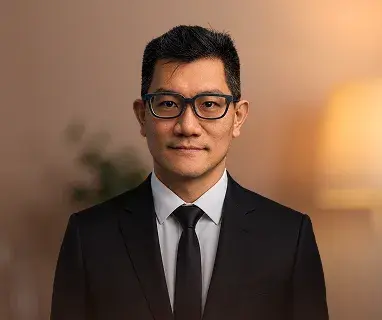

Dr Tan Ying Chien
Consultant Plastic Surgeon
MBBS (Singapore), MMed (Surgery), MRCS (Edinburgh), FAMS (Plastic Surgery)
Dr Tan Ying Chien
Consultant Plastic Surgeon
MBBS (Singapore), MMed (Surgery), MRCS (Edinburgh), FAMS (Plastic Surgery)
Dr Tan Ying Chien is an experienced plastic surgeon with expertise spanning reconstructive, craniofacial and aesthetic surgery. His detailed understanding of facial anatomy allows him to approach eyelid and under-eye surgery with careful treatment planning, focusing on preserving natural facial harmony while addressing age-related changes around the eyes.


Dr Wu Yijun
Consultant Plastic Surgeon
MBBS (Singapore), MMed (Surgery), MRCS (Edinburgh), FAMS (Plastic Surgery)
Dr Wu Yijun
Consultant Plastic Surgeon
MBBS (Singapore), MMed (Surgery), MRCS (Edinburgh), FAMS (Plastic Surgery)
Dr Wu Yijun has a special interest in aesthetic facial surgery, with a focus on achieving balanced, natural-looking results that complement each patient's individual features. She works closely with patients to understand their concerns and develop personalised treatment plans that prioritise both facial harmony and long-term outcomes.