


Ear Reconstruction Surgery in Singapore
If you were born with an underdeveloped ear, have lost part of your ear due to an injury, or are dealing with changes following previous surgery, ear reconstruction may help restore the ear's shape and appearance. Because every reconstructive journey is unique, treatment planning often involves careful consideration of the underlying condition, available tissue and long-term outcomes. At SW1 Plastic Surgery, care is centred on helping patients understand their reconstructive options and navigate the treatment process with confidence.
 SW1 Plastic Surgery
Dr Tan Ying Chien
Consultant Plastic Surgeon
MBBS (National University of Singapore), Masters in Medicine (Surgery), Member of Royal College of Surgeons Edinburgh, Fellow of Academy of Medicine, Singapore (Plastic Surgery)

Dr Wu Yijun
Consultant Plastic Surgeon
MBBS (National University of Singapore), Masters in Medicine (Surgery), Member of Royal College of Surgeons Edinburgh, Fellow of Academy of Medicine, Singapore (Plastic Surgery)
On this page:
- Understanding Ear Reconstruction
- When Might Ear Reconstruction Be Considered?
- Understanding Your Ear Reconstruction Options
- The SW1 Approach to Ear Reconstruction
- What Happens During Ear Reconstruction Surgery?
- Recovery After Ear Reconstruction Surgery
- Restore Your Ear with SW1 Plastic Surgery
- FAQs on Ear Reconstruction
- Meet Your Ear Reconstruction Surgeons
Understanding Ear Reconstruction
Ear reconstruction is a specialised area of plastic surgery that addresses partial or complete loss, underdevelopment or deformity of the external ear. Unlike cosmetic ear procedures, reconstruction is often performed to address congenital differences, traumatic injuries, tissue loss or changes resulting from previous surgery. These factors influence the treatment options available and the techniques that may be recommended.
Restoring Ear Structure and Form
The goal of ear reconstruction is to recreate or restore the ear in a way that aligns with the individual’s anatomy, circumstances and reconstructive needs. Reconstruction may involve rebuilding part of the ear, restoring missing tissue or improving overall ear shape and symmetry, depending on the condition being treated.
A Personalised Reconstructive Journey
Ear reconstruction varies considerably depending on the complexity of the condition being treated. While some patients may achieve their goals with a single procedure, others may require staged reconstruction to gradually restore ear shape and structure.
Because ear reconstruction often involves unique anatomical and reconstructive considerations, careful assessment and treatment planning are important in determining the most appropriate approach for each patient.
When Might Ear Reconstruction Be Considered?
The reasons for ear reconstruction vary considerably from one patient to another. Understanding what has affected the ear helps determine the reconstructive options that may be appropriate.
Congenital Ear Differences
Some individuals are born with conditions such as microtia, anotia or other congenital differences that affect the development of the external ear. Ear reconstruction may help recreate the external ear and improve overall facial balance.
Trauma and Injury
Traumatic injuries may result in partial or complete tissue loss, deformity or changes to the shape and structure of the ear. Reconstruction aims to rebuild the affected area while taking into account the extent of the injury and the remaining tissue.
Previous Ear Surgery
Some patients seek ear reconstruction following previous ear procedures to address structural concerns, contour irregularities or changes that have developed over time.
Tissue Loss Following Skin Cancer
Ear reconstruction may also be performed following the removal of skin cancers or other conditions that result in tissue loss affecting the external ear.
Extensive Ear Defects
Some patients have more complex reconstructive requirements involving multiple structures of the ear. These situations may require staged reconstruction and careful surgical planning to restore both form and structure.
Understanding the reason for reconstruction helps patients better appreciate why different surgical approaches may be recommended for different situations.

Ear reconstruction requires both reconstructive expertise and careful surgical planning.
At SW1 Plastic Surgery, our MOH-accredited surgeons draw on their reconstructive and craniofacial surgery experience to develop personalised treatment plans for congenital ear differences, traumatic injuries and other complex reconstructive needs.
Understanding Your Ear Reconstruction Options
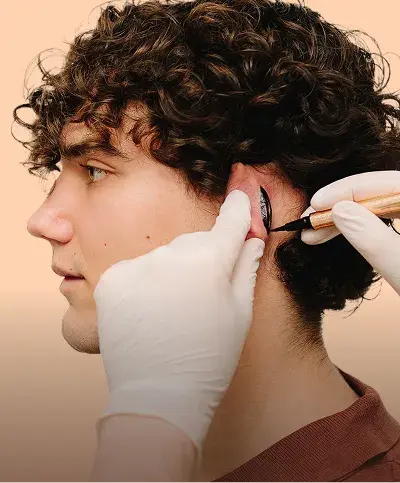
Ear reconstruction can be performed using different techniques depending on the nature of the ear difference or defect, the amount of existing ear tissue and each patient's reconstructive goals. The most appropriate approach depends on factors such as the amount of remaining ear tissue, surrounding anatomy and the complexity of the reconstruction required.

 Ear
Ear
Autologous Ear Reconstruction (Using Your Own Tissue)
This approach uses the patient’s own cartilage, most commonly harvested from the ribs, to create the framework of the ear. Because the reconstruction is created from living tissue, it becomes a permanent part of the body and can provide durable, natural-looking results. Depending on the complexity of the reconstruction, additional procedures may sometimes be required to achieve the planned reconstructive outcome.
Medpor Ear Reconstruction
Medpor reconstruction uses a biocompatible porous polyethylene framework to recreate the shape of the ear. The implant is covered with the patient's own tissue to support healing and integration. This approach may be suitable for selected patients depending on their anatomy, age and reconstructive needs.
Prosthetic Ear Reconstruction
In certain situations, a prosthetic ear may be considered when surgical reconstruction is not appropriate or when patients prefer a non-surgical alternative. Prosthetic ears are individually designed to match the opposite ear as closely as possible and may be secured using adhesives or implants.
Each reconstructive technique has its own advantages and considerations. During consultation, your surgeon will discuss the available options and recommend an approach based on your anatomy, reconstructive needs and long-term goals.
The SW1 Approach to Ear Reconstruction
Ear reconstruction involves more than recreating the appearance of the ear. Treatment planning requires careful consideration of the extent of the defect, the available tissue, facial symmetry and the long-term reconstructive goals. At SW1 Plastic Surgery, every reconstruction plan is tailored to the individual's anatomy and reconstructive needs.
Understanding Your Reconstructive Goals
Every patient's circumstances are different. Some patients are born with congenital ear differences, while others require reconstruction following trauma, skin cancer or previous surgery. Understanding these factors helps guide the reconstructive approach and establish realistic treatment goals.
Comprehensive Assessment and Treatment Planning
Successful ear reconstruction begins with a detailed assessment of the ear, surrounding tissues and the available reconstructive options. Factors such as tissue quality, the extent of the defect, previous procedures and overall health all influence surgical planning and the techniques that may be recommended.
Advanced Imaging and Surgical Facilities
SW1 Plastic Surgery is equipped with Vectra 3D imaging technology, which can support treatment planning and help patients better visualise potential outcomes. Procedures are performed in our MOH-accredited operating theatres, providing continuity of care within a single clinic setting.
What Happens During Ear Reconstruction Surgery?
The steps involved in ear reconstruction surgery vary according to the reconstructive technique being used and each patient's individual reconstructive needs. Some patients undergo reconstruction as a single procedure, while others may require multiple stages to gradually recreate the shape and structure of the ear.
Surgical Planning
Before surgery, your surgeon will review factors such as your medical history, the underlying condition, available tissue and expected outcomes. This information helps determine the most appropriate reconstructive approach and surgical plan.
Reconstructing the Ear
The reconstruction itself may involve your own cartilage, a synthetic framework or other reconstructive techniques, depending on the planned approach. The surgical steps vary according to the reconstruction method and the complexity of the individual case.
Single-Stage and Staged Reconstruction
Some forms of ear reconstruction can be completed in a single procedure, while more complex cases may require reconstruction over multiple stages. Your surgeon will discuss the anticipated treatment timeline based on your individual reconstructive needs.
Procedure Duration
The duration of surgery varies depending on the reconstructive technique, the complexity of the procedure and whether reconstruction is performed in one stage or over multiple operations. Your surgeon will discuss the anticipated surgical timeline during treatment planning.
Recovery After Ear Reconstruction Surgery
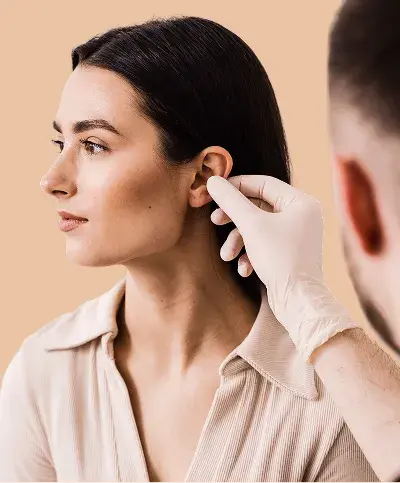
Recovery following ear reconstruction surgery varies depending on the reconstructive technique performed, the extent of surgery and individual healing factors. Your surgeon will provide personalised aftercare instructions and monitor your recovery through scheduled follow-up appointments.
The Early Recovery Period
Swelling, bruising and mild discomfort are common during the initial stages of recovery. Based on the reconstructive technique used, dressings or protective coverings may be applied to support healing. These symptoms generally improve over time and can be managed with medication and post-operative care instructions provided by your surgeon.
Caring for the Reconstructed Ear
Protecting the reconstructed ear is an important part of recovery. Patients are advised to follow wound care instructions carefully and avoid activities that may place pressure or trauma on the ear while healing is ongoing.
Returning to Daily Activities
Recovery timelines vary depending on the complexity of the reconstruction and the surgical techniques used. Your surgeon will advise when it is appropriate to resume work, school, exercise and other daily activities based on your individual progress.
Follow-Up Care
Follow-up appointments allow your surgeon to monitor healing, assess the reconstructed ear and address any concerns that may arise during recovery. For patients undergoing staged reconstruction, these appointments also help guide the timing of subsequent procedures.
Long-Term Recovery Considerations
Ear reconstruction often continues beyond the initial healing period. Depending on the reconstructive approach, additional stages or refinements may form part of the overall treatment plan, and final results continue to develop as healing progresses.
Restore Your Ear with SW1 Plastic Surgery
Ear reconstruction can restore the shape, structure and appearance of the external ear following congenital differences, trauma, previous surgery or other reconstructive needs. Because every reconstructive journey is unique, treatment recommendations are tailored to the individual's anatomy, available tissue and long-term goals.
At SW1 Plastic Surgery, ear reconstruction is performed by Dr Tan Ying Chien and Dr Wu Yijun. Drawing on their experience in reconstructive, craniofacial and aesthetic plastic surgery, they develop personalised treatment plans focused on restoring both form and function while achieving natural-looking outcomes. Schedule a consultation with us today to discuss your reconstructive needs and learn which reconstructive approach may be suitable for you.
FAQs on Ear Reconstruction
Ear reconstruction aims to recreate the shape and appearance of the external ear in a way that complements the individual's facial features. Outcomes vary depending on factors such as the underlying condition, the reconstructive technique used and individual anatomy. Your surgeon will discuss realistic expectations during consultation.
All reconstructive procedures involve some degree of scarring. The location and extent of scars depend on the reconstruction technique performed and the areas involved. Scars generally become less noticeable over time, although individual healing patterns vary.
The number of procedures required depends on the complexity of the reconstruction and the technique being used. While some patients achieve their goals with a single procedure, others may require staged reconstruction performed over multiple operations.
Ear reconstruction may be performed in both children and adults. The most appropriate timing depends on factors such as the underlying condition, ear development and the reconstructive technique being considered. Your surgeon will recommend the timing that best suits your individual circumstances.
Ear reconstruction is intended to provide long-term restoration of the external ear. The longevity of results depends on factors such as the reconstruction technique used, individual healing and changes that may occur over time.
The timing of ear reconstruction varies depending on the reason for reconstruction, the patient's age, the underlying condition and overall treatment plan. Your surgeon will discuss the most appropriate timing based on your individual circumstances.
Meet Your Ear Reconstruction Surgeons
Ear reconstruction at SW1 Plastic Surgery is performed by MOH-accredited plastic surgeons Dr Tan Ying Chien and Dr Wu Yijun. Drawing on their experience in reconstructive, craniofacial and aesthetic plastic surgery, they develop personalised treatment plans focused on restoring ear form, structure and function while achieving natural-looking outcomes.
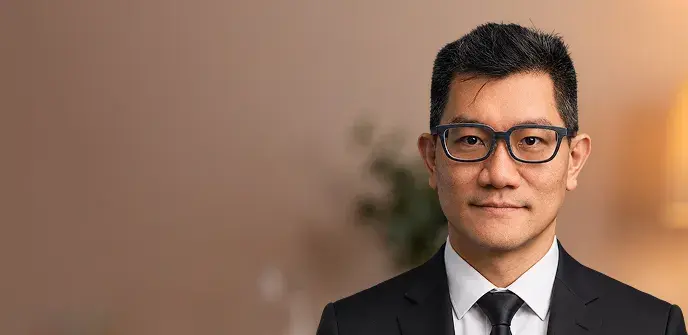

Dr Tan Ying Chien
Consultant Plastic Surgeon
MBBS (Singapore), MMed (Surgery), MRCS (Edinburgh), FAMS (Plastic Surgery)
Dr Tan Ying Chien
Consultant Plastic Surgeon
MBBS (Singapore), MMed (Surgery), MRCS (Edinburgh), FAMS (Plastic Surgery)
Dr Tan Ying Chien is an experienced plastic surgeon with expertise spanning reconstructive, craniofacial and aesthetic surgery. His fellowship training in ear reconstruction in Japan and extensive experience managing congenital ear differences and complex reconstructive cases provide a strong foundation for ear reconstruction surgery, where detailed anatomical understanding, structural planning and precise surgical techniques play an important role in achieving long-term outcomes.


Dr Wu Yijun
Consultant Plastic Surgeon
MBBS (Singapore), MMed (Surgery), MRCS (Edinburgh), FAMS (Plastic Surgery)
Dr Wu Yijun
Consultant Plastic Surgeon
MBBS (Singapore), MMed (Surgery), MRCS (Edinburgh), FAMS (Plastic Surgery)
Dr Wu Yijun has experience across reconstructive and aesthetic plastic surgery, taking a thoughtful and personalised approach to treatment planning. She works closely with patients to understand their concerns and develop treatment recommendations tailored to their individual anatomy, needs and goals.