




Choosing to undergo plastic surgery is a decision that requires careful planning before the procedure itself. Beyond selecting the right treatment, it is important to understand the preparation involved, what happens on the day of surgery and what recovery may involve afterwards.
Every procedure is different, but most patients can expect a similar treatment journey, from consultation and preoperative preparation to follow-up care. Having a clearer picture of each stage can help you feel more informed and confident as you prepare for surgery.
Your Initial Consultation
Whether you are considering procedures such as eyelid surgery, rhinoplasty or breast augmentation, the initial consultation helps determine the most appropriate approach for your individual needs.
During your appointment, your surgeon may discuss:
- Your medical history, previous surgeries and current medications
- The concerns you would like to address
- Your desired outcome and whether it is realistically achievable
- The available surgical options and why one may be more suitable than another
- The expected benefits, limitations and potential risks
- Recovery time, possible complications and long-term maintenance
Photographs may also be taken for assessment and surgical planning. These images help your surgeon evaluate your anatomy and allow comparison during follow-up appointments.
Preparing for Surgery
Once surgery has been planned, you will receive detailed instructions to help reduce risks and support recovery. Preparation commonly includes the following.
Medical Assessment
Depending on your age, medical history and the planned procedure, blood tests, imaging or other investigations may be required to confirm you are fit for surgery.
Medication Adjustments
Certain medications and supplements may increase the risk of bleeding or interfere with healing. Your surgeon will advise whether any prescription medicines, herbal supplements or over-the-counter medications should be temporarily stopped before surgery.
Smoking and Alcohol
Smoking reduces blood supply to healing tissues and increases the risk of complications. Patients are generally advised to stop smoking several weeks before and after surgery. Alcohol consumption may also need to be limited during the recovery period.
Planning Your Recovery
Arranging transport home, preparing meals in advance and ensuring someone is available to assist during the first few days can make the recovery period more comfortable. Depending on the procedure, you may also need to take time away from work and avoid strenuous activities for several weeks.
What Happens on the Day of Surgery?
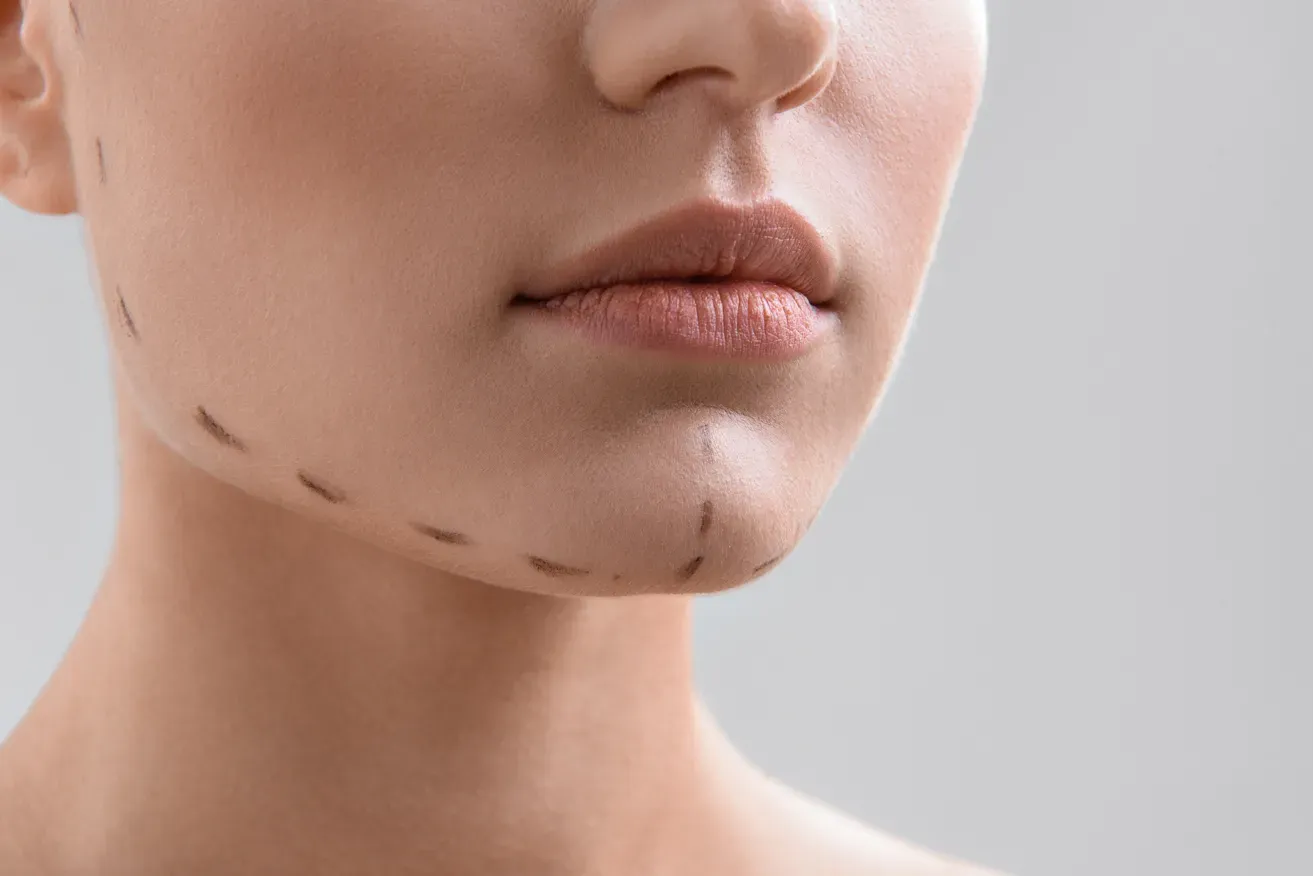
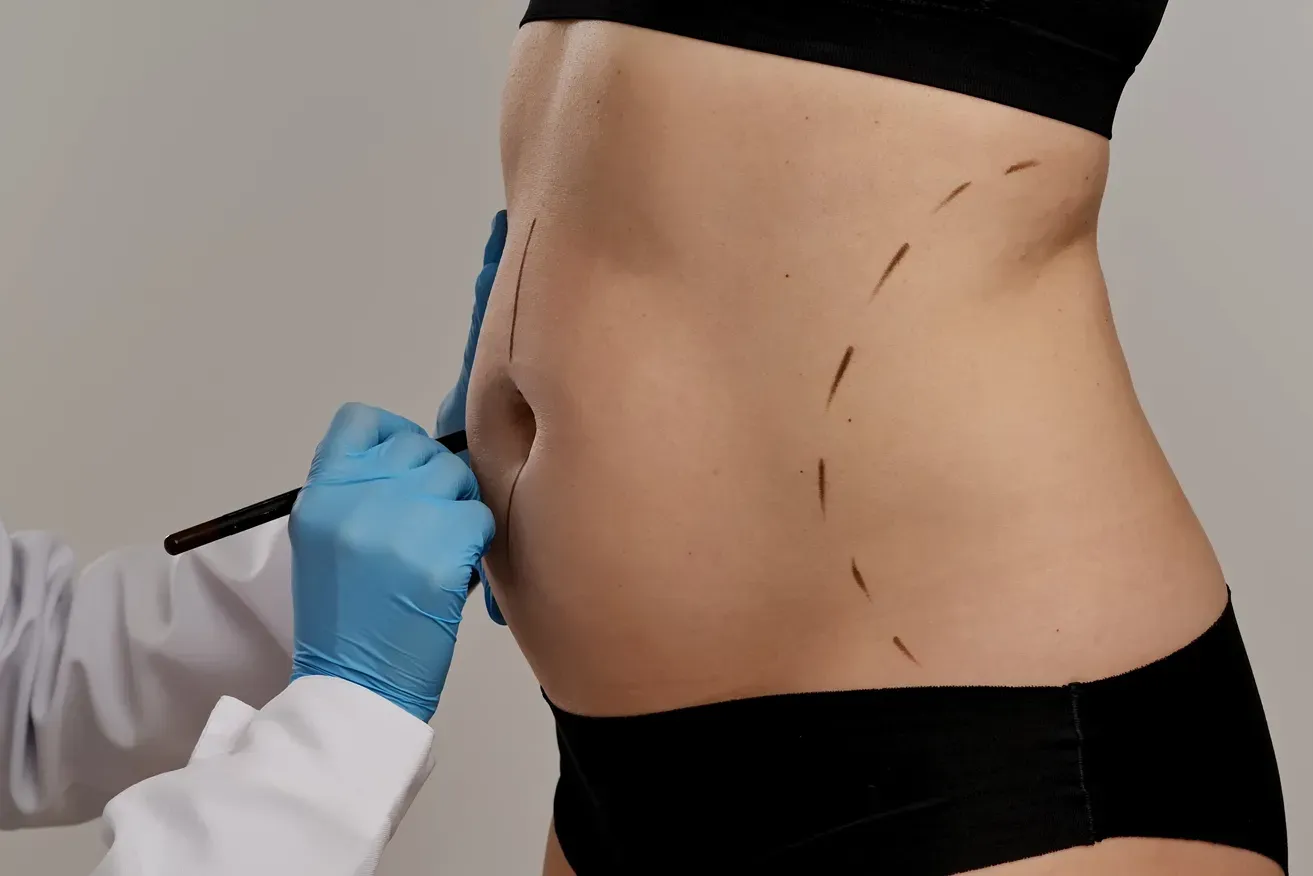
On the day of your procedure, you will first meet your surgical team to review the treatment plan and answer any remaining questions. Your surgeon may make markings on the treatment area while you are standing to guide the procedure accurately. You will also meet the anaesthetist if general anaesthesia or sedation is planned.
The exact steps vary depending on the operation, although most procedures follow a similar sequence:
- Admission and preoperative preparation
- Administration of anaesthesia
- The surgical procedure
- Initial recovery in the recovery room
- Monitoring before discharge or hospital admission, depending on the procedure performed
Some procedures allow patients to return home on the same day, while more extensive operations may require an overnight stay.
Understanding the Recovery Process
Recovery is gradual, and each person's experience differs according to the type of surgery performed, their general health and how closely postoperative instructions are followed.
The First Few Days
Swelling, bruising, tightness and mild discomfort are common during the early stages of recovery. Pain is usually managed with prescribed medication.
Rest is encouraged, although light walking is often recommended to promote circulation and reduce the risk of blood clots.
Follow-Up Appointments
Regular follow-up appointments allow your surgeon to monitor healing, remove dressings or sutures where necessary and address any concerns that arise during recovery. Attending these appointments is an important part of achieving the best possible outcome.
Returning to Daily Activities
Most patients gradually resume normal daily activities over the following weeks. However, strenuous exercise, heavy lifting and certain movements may need to be avoided until healing is sufficiently advanced.
Your surgeon will advise when it is safe to return to work, exercise and other activities based on your recovery progress.
Recognising When to Contact Your Surgeon
Most patients recover without significant problems. However, it is important to recognise symptoms that may require prompt medical attention.
Contact your surgeon if you experience:
- Increasing pain that is not relieved by prescribed medication
- Excessive swelling or bleeding
- Fever or signs of infection
- Persistent redness or discharge from the wound
- Sudden shortness of breath or chest pain
Early assessment allows potential complications to be identified and managed promptly.
Taking the Next Step with SW1 Plastic Surgery
Understanding what to expect before, during and after plastic surgery allows you to approach treatment with realistic expectations and greater peace of mind. Careful preparation, close communication with your surgeon and following postoperative advice also contribute to a safer recovery and optimal results.
At SW1 Plastic Surgery in Singapore, Dr Tan Ying Chien and Dr Wu Yijun provide personalised care across a range of aesthetic procedures and reconstructive surgery, supporting patients from consultation through recovery and follow-up. If you are considering plastic surgery or would like to better understand your options, schedule a consultation to discuss your concerns and receive a treatment plan tailored to your individual needs.
Frequently Asked Questions About What to Expect from Plastic Surgery
For procedures performed under general anaesthesia or sedation, you will usually need a responsible adult to accompany you home. Your surgeon will advise you based on the type of procedure and anaesthesia used.
In selected patients, two or more procedures may be performed during the same operation. Whether this is appropriate depends on your overall health, treatment goals and the complexity of the procedures being considered.
Most patients require some time away from work, although the duration depends on the procedure performed and the physical demands of their job. Your plastic surgeon can provide guidance on when it is safe to return to work and other daily activities.