


Alarplasty Nostril Reduction in Singapore
The width and shape of the nostrils can influence how the nose appears in relation to the rest of the face. Alarplasty, also known as alar base reduction or nostril reduction surgery, refines the nasal base by reducing excessive nostril width or flare. At SW1 Plastic Surgery, treatment planning considers your nasal anatomy and facial proportions to achieve a balanced, natural-looking result.
 SW1 Plastic Surgery
Dr Tan Ying Chien
Consultant Plastic Surgeon
MBBS (National University of Singapore), Masters in Medicine (Surgery), Member of Royal College of Surgeons Edinburgh, Fellow of Academy of Medicine, Singapore (Plastic Surgery)

Dr Wu Yijun
Consultant Plastic Surgeon
MBBS (National University of Singapore), Masters in Medicine (Surgery), Member of Royal College of Surgeons Edinburgh, Fellow of Academy of Medicine, Singapore (Plastic Surgery)
Is Alarplasty Right for You?
Alarplasty may be considered when the width or shape of the nostrils makes the nasal base appear broader than desired. Some patients are concerned about nostril flare, while others would like the base of the nose to appear more proportionate to their facial features.
You may consider alarplasty if you have:
Alarplasty specifically addresses the nostrils and nasal base rather than reshaping the entire nose. If your concerns also involve the nasal bridge or tip, rhinoplasty may be considered instead of or alongside alarplasty, depending on your anatomy and treatment goals.
How Does Alarplasty Refine the Nasal Base?
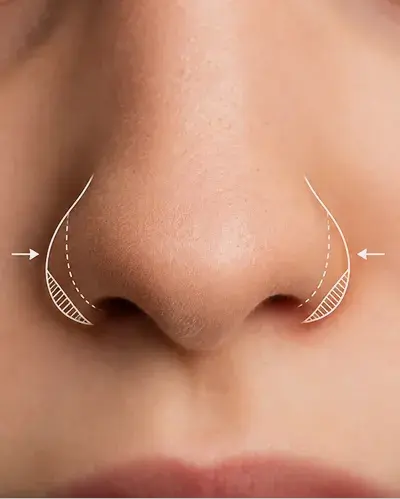
Alarplasty changes the width and contour of the nasal base by removing a carefully planned amount of tissue from around the outer base of the nostrils.
Adjusting Nostril Width and Flare
Tissue is repositioned and closed to refine nostril width or flare, based on the degree of correction required.
Planning the Incisions
Incisions are generally placed around the natural crease where the nostril meets the cheek to help keep resulting scars discreet.
Keeping the Change Focused
Alarplasty focuses on the nasal base without altering the bridge or substantially reshaping the nasal tip.

The SW1 Approach to Alarplasty
Small changes to the nasal base can noticeably affect the appearance of the nose. At SW1 Plastic Surgery, the surgical plan is developed around your existing anatomy and the degree of refinement you are looking for.
Assessing Nasal and Facial Proportions
The width of the nasal base is considered in relation to the rest of the nose and your facial proportions, rather than assessing the nostrils in isolation.
Preserving Natural Nostril Shape
Planning considers how much tissue can be reduced while maintaining a natural nostril contour and avoiding an overly narrowed appearance.
Considering Alarplasty With Rhinoplasty
If concerns extend beyond the nasal base to other parts of the nose, alarplasty may form part of a broader rhinoplasty plan rather than being performed as an isolated procedure.
Advanced Imaging and Surgical Facilities
SW1 Plastic Surgery is equipped with Vectra 3D imaging technology, which can support surgical planning when alarplasty is combined with rhinoplasty and help patients better visualise potential changes to their nasal proportions. Procedures are performed in our MOH-accredited operating theatres, providing continuity of care within a single clinic setting.
What Happens During Alarplasty?
Alarplasty is planned according to the amount of nasal base refinement required and whether it is performed on its own or alongside another nasal procedure.
Anaesthesia
The type of anaesthesia used will depend on the extent of the procedure and whether alarplasty is being combined with rhinoplasty.
Incision and Tissue Removal
Small incisions are made at the planned areas around the base of the nostrils. A measured amount of tissue is removed according to the surgical plan.
Repositioning and Closure
The nostril edges are carefully repositioned before the incisions are closed, creating the planned change in nasal base width while maintaining the natural contour of the nostrils.
Procedure Duration
Alarplasty typically takes less than an hour when performed as a standalone procedure. Surgery may take longer when it is combined with rhinoplasty or other nasal procedures.

Recovery After Alarplasty
Recovery after alarplasty is generally focused on allowing swelling to settle and the incisions around the nostrils to heal. Your recovery timeline may vary if alarplasty is performed together with rhinoplasty.
The First Few Days
Some swelling, tenderness and bruising around the nasal base can be expected after surgery. These changes should gradually subside as the area heals.
Caring for the Incisions
Keep the incision sites clean and follow the aftercare instructions provided by your surgeon. Avoid rubbing or placing unnecessary pressure on the nose while the incisions are healing.
Returning to Daily Activities
Many patients can return to non-strenuous daily activities within about a week, although visible swelling may still be present. Strenuous exercise should be avoided until your surgeon advises that it is appropriate to resume.
Results and Scar Maturation
Changes to the nasal base will be visible early on, but the final result becomes clearer as swelling resolves. Incision lines may initially appear noticeable before gradually maturing and becoming less prominent over time.
Follow-Up Care
Follow-up appointments allow your surgeon to monitor healing, review the incision sites and advise you on when normal activities can be resumed.
Refine Your Nasal Proportions at SW1 Plastic Surgery
Alarplasty can refine a wide or flared nasal base while preserving the natural character of your nose. Even a subtle change in nostril width can create a more balanced appearance when it is planned in proportion with your existing features.
At SW1 Plastic Surgery, our MOH-accredited surgeons draw on their experience in reconstructive and aesthetic plastic surgery when planning alarplasty. If you are considering nostril reduction, schedule a consultation to discuss the change you would like to achieve and whether alarplasty is suitable for you.
FAQs on Alarplasty
Alarplasty requires small incisions around the nasal base. These are generally positioned along the natural creases where the nostrils meet the surrounding skin. Scars may be more noticeable during early healing before gradually maturing over time, although their final appearance can vary between individuals.
The structural changes made during alarplasty are intended to be long-lasting. However, the appearance of the nose can continue to change naturally with ageing and other factors over time.
The amount of tissue removed needs to be carefully planned, as excessive reduction can affect the natural shape and proportion of the nostrils. The aim is to achieve the intended refinement without creating an overly narrowed appearance.
Alarplasty may improve certain differences in nostril width or shape, depending on what is causing the asymmetry. Complete symmetry cannot always be achieved, as some natural differences may relate to other parts of the nose or underlying facial anatomy.
Meet Your Alarplasty Surgeons
Alarplasty at SW1 Plastic Surgery is performed by Dr Tan Ying Chien and Dr Wu Yijun. Drawing on their experience in reconstructive and aesthetic plastic surgery, they assess the nasal base and overall facial proportions to develop treatment plans that refine nostril width and shape while preserving a natural appearance.



Dr Tan Ying Chien
Consultant Plastic Surgeon
MBBS (Singapore), MMed (Surgery), MRCS (Edinburgh), FAMS (Plastic Surgery)
Dr Tan Ying Chien
Consultant Plastic Surgeon
MBBS (Singapore), MMed (Surgery), MRCS (Edinburgh), FAMS (Plastic Surgery)
With experience spanning reconstructive, craniofacial and aesthetic surgery, Dr Tan Ying Chien brings an understanding of facial structure and proportion to alarplasty. His approach focuses on refining the nasal base in a way that remains balanced with the rest of the nose and face.


Dr Wu Yijun
Consultant Plastic Surgeon
MBBS (Singapore), MMed (Surgery), MRCS (Edinburgh), FAMS (Plastic Surgery)
Dr Wu Yijun
Consultant Plastic Surgeon
MBBS (Singapore), MMed (Surgery), MRCS (Edinburgh), FAMS (Plastic Surgery)
With experience in reconstructive and aesthetic surgery, Dr Wu Yijun brings her focus on facial aesthetics to alarplasty planning. She considers the shape of the nasal base in relation to the patient's existing features, with an emphasis on natural-looking refinement.