


"Will people be able to tell I've had plastic surgery?" This is one of the most common questions patients ask before deciding to undergo a procedure. While many hope to enhance certain features or address visible signs of ageing, they often hope for results that enhance their features without looking obvious.
Achieving this outcome involves more than technical skill alone. Careful surgical judgement, thoughtful planning and a personalised approach all play an important role in creating results that reflect your individual features and treatment goals.
What Defines a Natural-Looking Result?
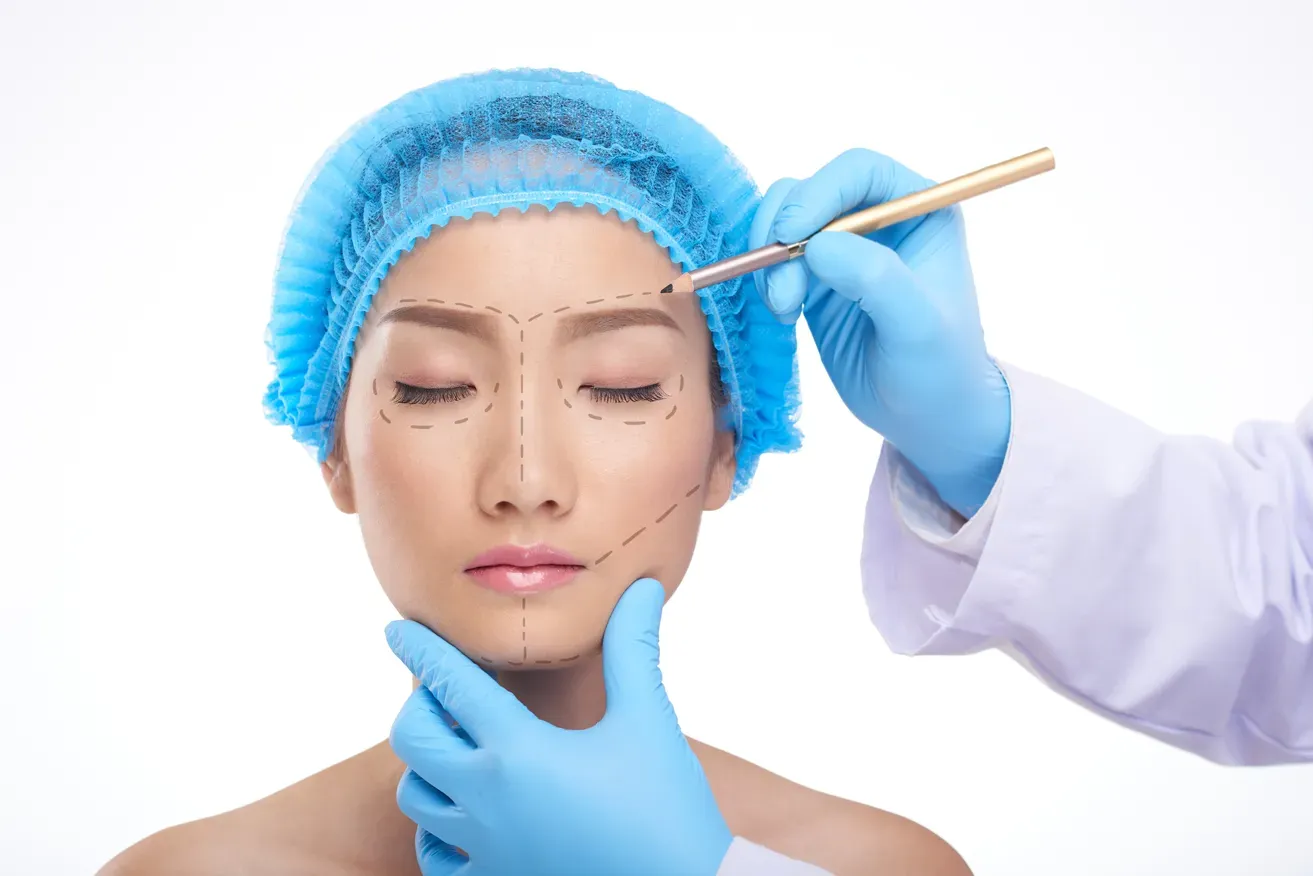
A natural-looking result does not necessarily mean that the changes are subtle. Instead, it means the outcome looks appropriate for your individual features and does not appear obviously altered. The goal is for any improvements to feel consistent with your appearance rather than drawing attention to the surgery itself.
Because everyone has different ideas about what looks natural, there is no single definition of the ideal result. An open discussion about your goals allows your plastic surgeon to understand the outcome you are looking for while ensuring it remains realistic and appropriate.
Why Balance Matters More Than Individual Features
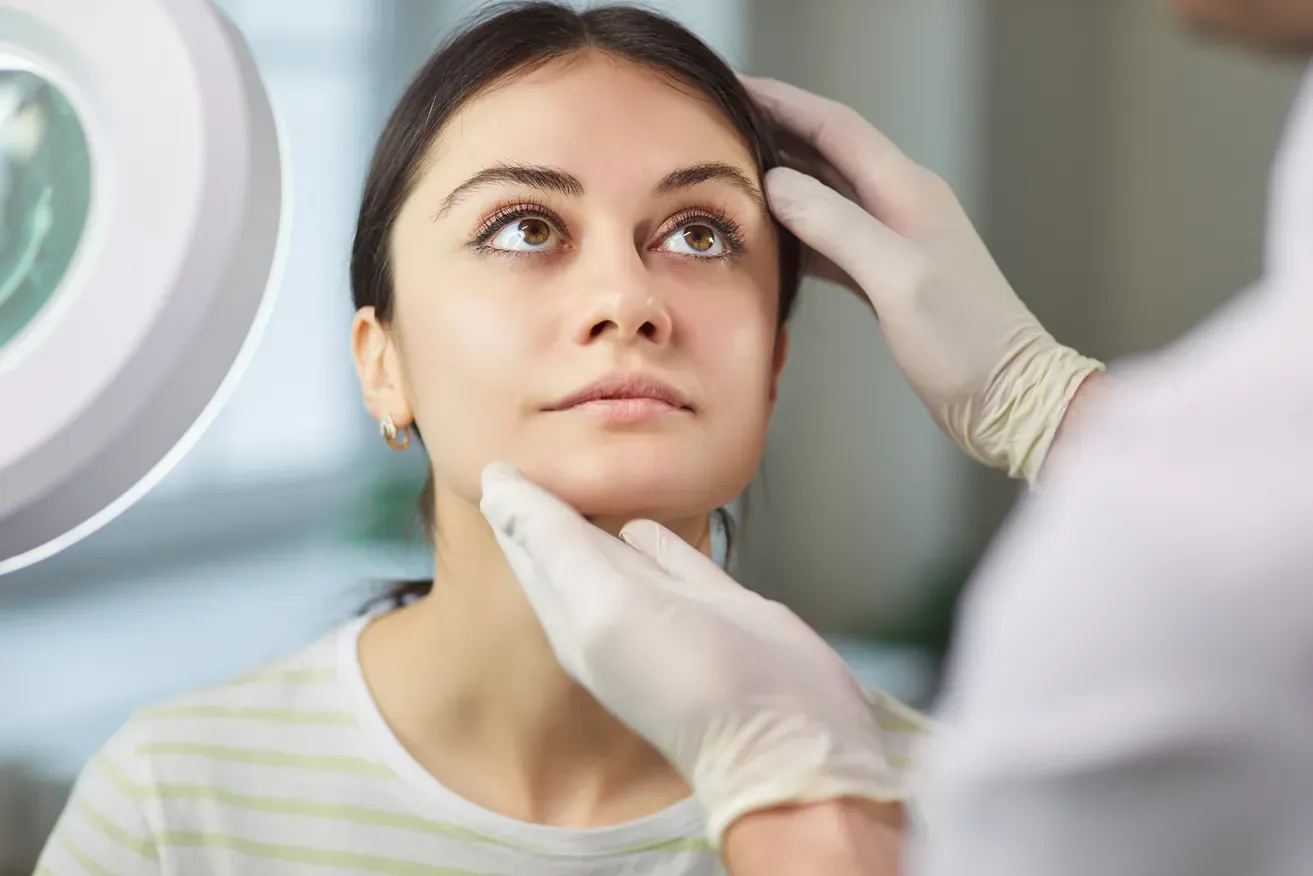
Plastic surgery is rarely about improving a single feature in isolation. Changes made to one area often influence how surrounding features are perceived. For example, refining the nose through rhinoplasty should complement the eyes, lips and chin rather than becoming the focal point of the face. Similarly, breast or body contouring procedures should enhance overall body proportions instead of creating an appearance that looks out of balance.
By considering these relationships during treatment planning, your plastic surgeon can recommend changes that work in harmony with your existing features.
Why Trends Do Not Suit Everyone
While it is natural to be inspired by photographs or online content, plastic surgery should not be planned around trends alone. A result that appears attractive on one person may not produce the same effect on someone with different facial features or body proportions.
Social Media and Celebrity Inspiration
Many patients bring reference photographs from social media or celebrities to help communicate the appearance they would like to achieve. These images can be useful for starting a conversation, but they should not be viewed as an exact blueprint for surgery. Filters, lighting, editing and makeup can all influence how a person appears, while every individual's anatomy is unique.
Enhancing Rather Than Replicating
Plastic surgery is most successful when it builds on your existing features rather than replacing them. Instead of trying to recreate a celebrity's appearance or an online trend, treatment is planned to enhance what already suits your face or body.
This approach helps preserve your individual identity while achieving improvements that look authentic and harmonious.
When Surgery May Not Be the Best Option
There are situations where your plastic surgeon may recommend postponing surgery, suggesting a different procedure or advising against treatment altogether. This may occur if the requested change is unlikely to deliver the improvements you are hoping for, is not well matched to your individual features or could compromise long-term results.
These recommendations are made to support both patient safety and realistic expectations, ensuring that treatment decisions are based on what is most appropriate rather than simply what is requested.
The Importance of Surgical Judgement
Every plastic surgery procedure involves a series of carefully considered decisions before surgery even begins. Surgical judgement influences not only which procedure is recommended but also how much correction is appropriate, the techniques used and how tissues are preserved throughout the operation.
In some cases, achieving a natural-looking result may mean recommending a more conservative approach, combining procedures where appropriate or advising against changes that could disrupt overall facial or body balance.
Choosing a Thoughtful Approach to Plastic Surgery
Many patients searching for the best plastic surgery are ultimately looking for treatment that enhances their natural features while prioritising safety, sound surgical judgement and realistic outcomes.
At SW1 Plastic Surgery in Singapore, treatment decisions are guided by careful clinical judgement and a thorough understanding of each patient's individual features and aesthetic goals. Dr Tan Ying Chien and Dr Wu Yijun take a measured approach to surgical planning, recommending procedures that support balanced, natural-looking outcomes. If you are considering plastic surgery, contact the clinic to arrange a consultation and take the next step with confidence.
Frequently Asked Questions About Natural-Looking Plastic Surgery
When surgery is carefully planned and performed, the aim is for the results to complement your natural features rather than appear obvious. While friends or family may notice that you look refreshed or more balanced, they may not immediately recognise that you have undergone surgery.
Yes. Plastic surgery does not stop the natural ageing process, but it can improve existing concerns. Maintaining a healthy lifestyle and following your surgeon's advice may help preserve your results over time.
The most appropriate degree of correction depends on your individual features and treatment goals. Rather than aiming for the biggest possible change, your plastic surgeon will recommend an approach that achieves proportionate results while preserving your natural appearance.