




Cosmetic procedures address concerns at a particular point in time, but your appearance and aesthetic preferences can change over the years. As a result, a procedure that once achieved your desired outcome may no longer reflect your current goals.
This does not necessarily mean the original procedure was unsuccessful. Natural ageing, weight changes and evolving preferences can all influence how previous cosmetic surgery appears. Understanding the reasons behind these changes can help determine whether further treatment is appropriate.
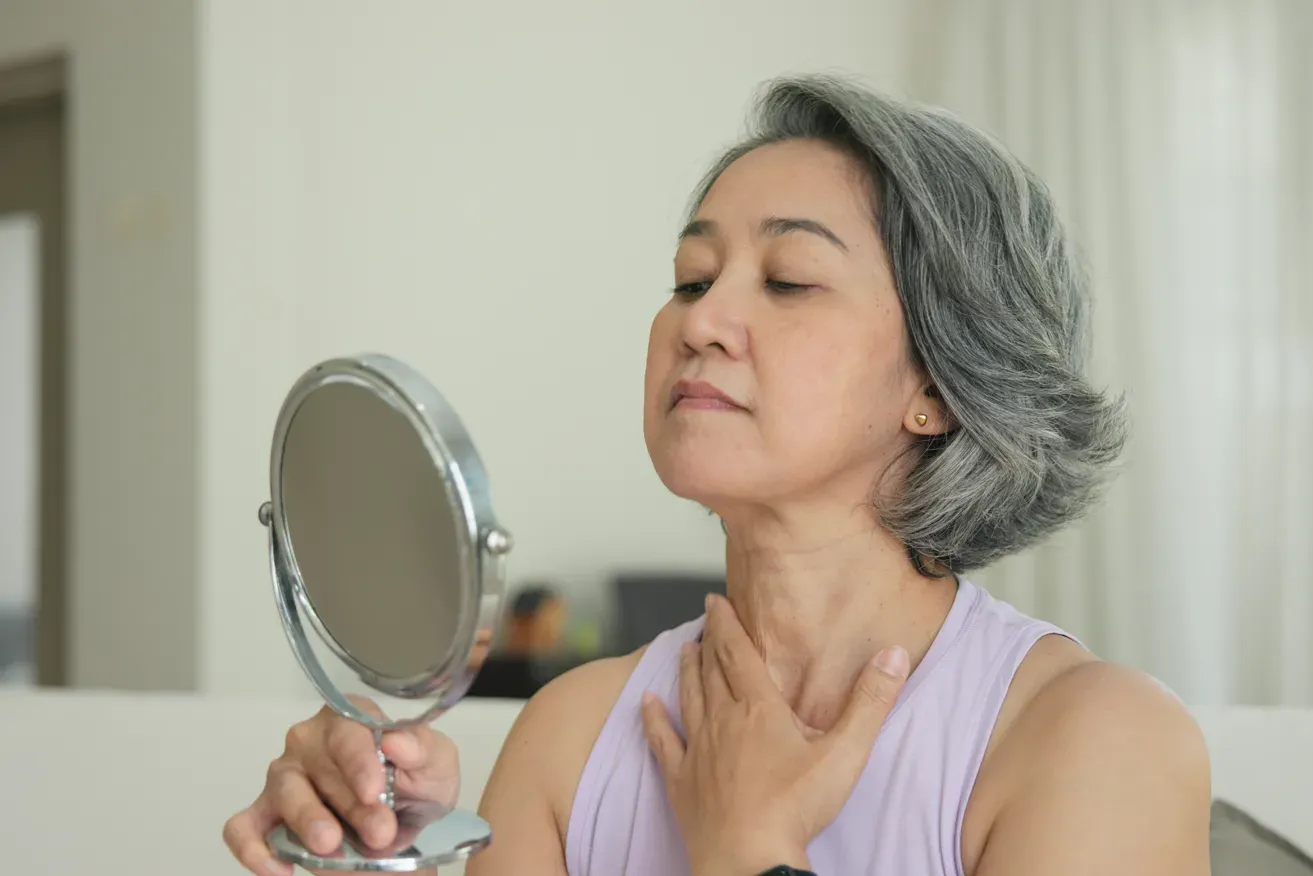
Key Takeaways
- Cosmetic surgery results continue to change as the face and body naturally age.
- Previous procedures may no longer align with your current aesthetic goals.
- Not every concern requires revision surgery.
- A comprehensive assessment helps determine the most appropriate treatment.
- Treatment recommendations depend on your anatomy, previous procedures and desired outcome.
Why Your Appearance Can Change Over Time
Cosmetic surgery does not stop the natural ageing process. Even after a successful procedure, the skin, soft tissues and underlying structures continue to change over the years.
Several factors may influence your appearance after surgery:
- Natural ageing
- Changes in skin elasticity
- Weight gain or weight loss
- Pregnancy
- Hormonal changes
- Sun exposure
- Lifestyle habits
These changes may alter the appearance of a previous cosmetic procedure without affecting the quality of the original surgery.
When Might Further Treatment Be Considered?

The need for further treatment is rarely determined by a single factor. Instead, it is usually influenced by changes that occur over time, including ageing, alterations in facial or body contours and evolving aesthetic goals.
Your Aesthetic Preferences Have Changed
Treatment goals often evolve over time. A result that felt appropriate years ago may no longer match the appearance you prefer today.
Ageing Has Changed the Original Result
Natural ageing may alter facial contours, skin firmness or body shape, changing how previous cosmetic procedures appear over time.
Changes Following Pregnancy or Weight Loss
Pregnancy and significant weight changes can affect breast shape, abdominal contour and skin elasticity, sometimes altering the results of previous body contouring procedures such as abdominoplasty. Further assessment can determine whether additional treatment is appropriate.
Functional or Structural Concerns
In some cases, revision may be considered if structural changes affect comfort, function or the appearance of a previous procedure.
Understanding Your Treatment Options
Revision surgery is not the only way to address changes following a previous cosmetic procedure. Depending on the underlying cause, your plastic surgeon may recommend:
- Non-surgical treatments to address early signs of ageing
- Monitoring changes over time
- Combining surgical and non-surgical treatments
- Revision surgery where structural correction is required
The most appropriate approach depends on the underlying cause of the concern rather than simply the previous procedure itself.
Understanding Your Treatment Options
Revision procedures often require more detailed planning than primary surgery because the tissues have already been altered by a previous operation.
Before recommending treatment, your plastic surgeon will carefully assess:
- Your current concerns
- Previous surgical history
- Existing scars
- Skin quality
- Tissue characteristics
- Expected benefits and limitations
The goal is to develop a treatment plan that addresses your current concerns while respecting the anatomy and changes resulting from previous surgery.
Deciding Whether Further Treatment Is Right for You
Cosmetic surgery should continue to reflect your individual goals as they change over time. Whether your appearance has been influenced by ageing, lifestyle changes or evolving aesthetic preferences, seeking specialist advice allows you to better understand the available options before deciding on further treatment.
At SW1 Plastic Surgery in Singapore, treatment recommendations are based on a careful assessment of your previous procedures, current concerns and long-term goals. Under the care of Dr Tan Ying Chien and Dr Wu Yijun, patients receive individualised advice on whether revision surgery or another treatment approach is most appropriate. If you would like to explore your options, schedule a consultation today.
Frequently Asked Questions About Revision Plastic Surgery
The timing depends on the original procedure. In many cases, your plastic surgeon will recommend waiting until healing is complete and the final result has stabilised before considering further surgery.
Yes. Previous surgery may alter the anatomy, tissue quality and blood supply, making revision procedures more technically demanding than primary surgery.
Existing scars can sometimes be improved or repositioned, but they cannot always be completely removed. The options depend on the location and quality of the scar.