




The shape of the nose is influenced by more than its bridge or overall size. The nasal tip plays an important role in how the nose appears from different angles, particularly when viewed from the front. Its width, projection and definition can affect the balance between the nose and surrounding facial features.
While nasal tips naturally vary in shape, some appear noticeably rounder, broader or less defined. Often described as a bulbous nasal tip, this appearance may result from the underlying cartilage structure, thicker skin or additional soft tissue around the tip.
For those who wish to address these concerns, rhinoplasty may offer ways to reshape and refine the nasal tip. However, the approach depends on the structures contributing to its appearance, as well as the degree of change that can realistically be achieved.
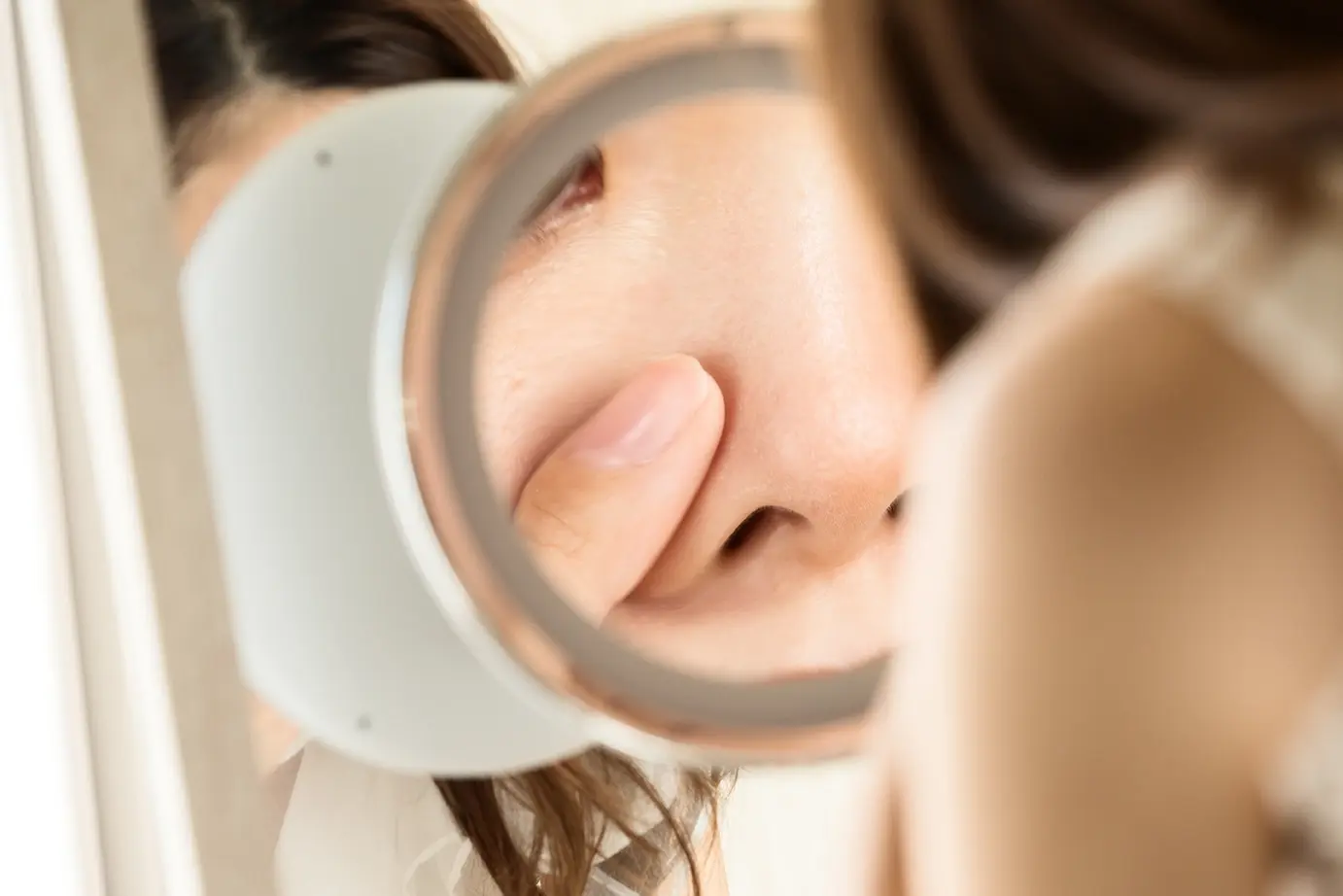
What Makes a Nasal Tip Look Round or Bulbous?
A bulbous nasal tip may result from differences in the underlying cartilage, skin thickness and surrounding soft tissue. These characteristics can occur individually or together, influencing how broad or defined the nasal tip appears.
Common contributing factors include:
- Broad or strongly curved cartilage: The lower lateral cartilages form much of the nasal tip. When these cartilages are broad, prominent or strongly curved, they can create a wider, rounder tip.
- Widely spaced tip cartilages: Greater separation between the cartilage structures forming the nasal tip can contribute to a broader appearance and reduced definition.
- Thicker skin: A thicker skin envelope can mask the contours of the underlying cartilage, making the nasal tip appear softer, rounder and less defined.
- Additional soft tissue: Greater soft-tissue volume around the nasal tip can contribute to fullness, even when the underlying cartilage is relatively well defined.
Because these factors affect the nasal tip differently, identifying which structures contribute to its appearance is important when considering surgical refinement.
How Can Rhinoplasty Reshape a Bulbous Nasal Tip?
Rhinoplasty can refine a bulbous nasal tip by modifying the cartilage structures that determine its shape, width and projection. The techniques used depend on the individual's nasal anatomy, skin characteristics and the changes being considered.
Depending on the findings, surgical techniques may include:
- Cartilage reshaping: Selected areas of the lower lateral cartilages may be carefully modified to reduce excessive curvature or prominence while preserving adequate structural support.
- Cartilage suturing: Specialised sutures can be used to adjust the shape, position or relationship of the tip cartilages, helping create a more defined nasal tip.
- Cartilage grafting: Additional cartilage may be used in selected cases to strengthen nasal tip support, improve projection or help maintain the intended shape.
These techniques may be performed individually or in combination. Rather than simply removing cartilage to make the tip smaller, surgical planning aims to refine its contours while maintaining the support needed for nasal shape and function.
The degree of refinement achievable also depends on the overlying skin. Patients with thicker nasal skin may find that changes to the underlying cartilage are less visible, even after swelling has subsided. Excessive cartilage reduction may also compromise nasal support without necessarily producing a narrower-looking tip.
Surgical planning therefore focuses on achieving appropriate definition while preserving the nasal tip's structural support, rather than simply making it as narrow as possible.
What Happens During a Consultation for Nasal Tip Reshaping?
A consultation helps determine which anatomical features contribute to a bulbous nasal tip and whether rhinoplasty may be suitable. It also provides an opportunity to discuss the degree of change that may be achievable and the limitations of surgery.
The consultation may cover:
- Your concerns and desired changes: Your surgeon will discuss what you would like to change about your nasal tip and which views concern you most. Reference photographs may help communicate your preferences, although the achievable outcome depends on your anatomy.
- Nasal and facial assessment: The examination considers nasal cartilage, skin thickness, tip projection and overall facial proportions. Nasal breathing and internal structures may also be assessed where appropriate.
- Proposed surgical techniques: If rhinoplasty is suitable, your surgeon can explain which structures may need to be modified, whether additional cartilage support is required and what changes may realistically be expected.
- Recovery and potential risks: You will be advised about postoperative swelling, expected recovery and possible complications, including bleeding, infection, asymmetry, scarring, changes in nasal breathing and the possibility of revision surgery.
The consultation is also your opportunity to ask questions and make sure you understand the proposed treatment before deciding whether to proceed. Bringing a list of questions and relevant medical or surgical history can help you have a more focused discussion with your surgeon.
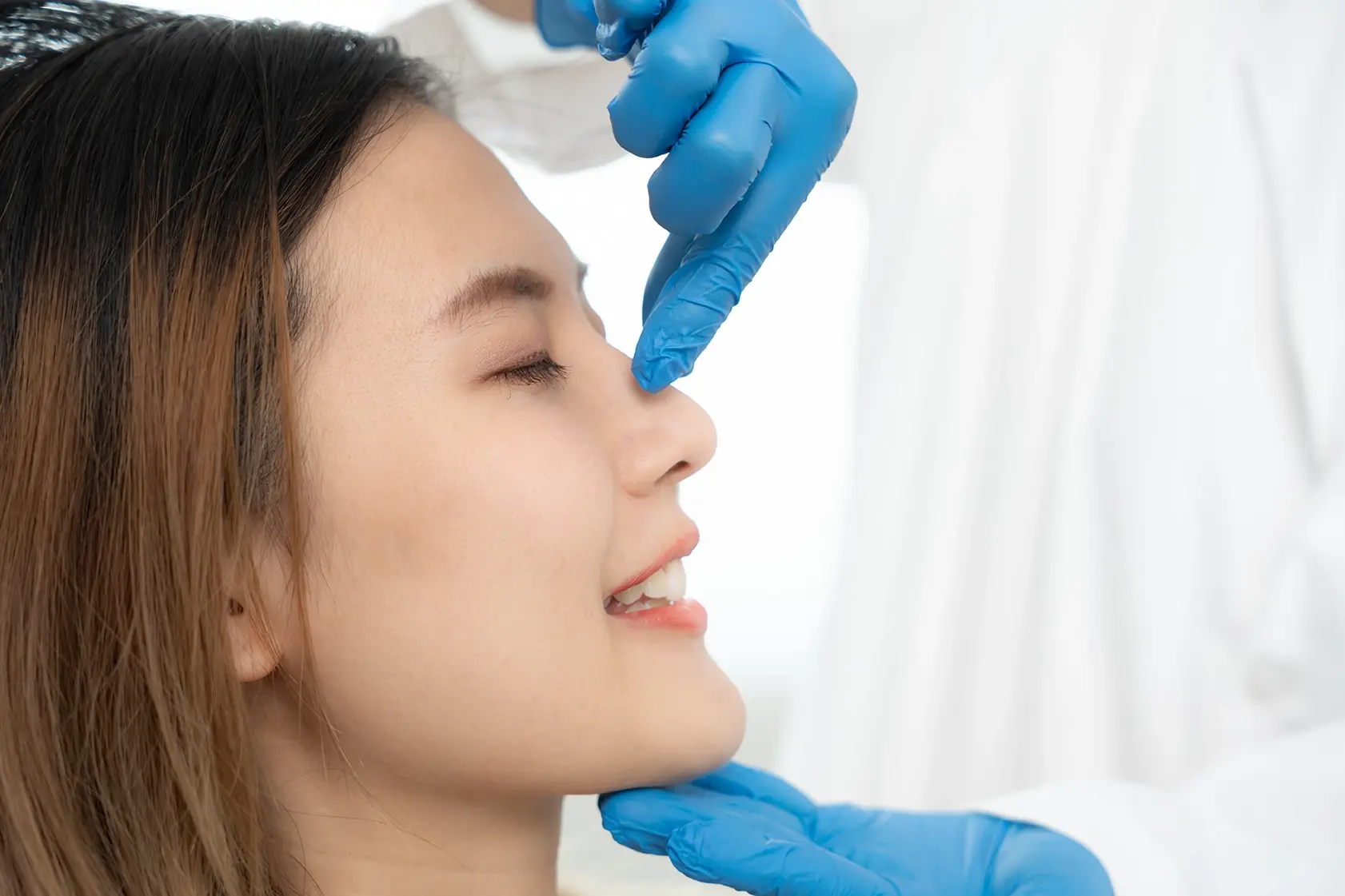
Explore Nasal Tip Refinement at SW1 Plastic Surgery
Feeling self-conscious about a round or bulbous nasal tip is a valid concern, particularly when it affects how you perceive your appearance in photographs or from certain angles. If you have been considering a change, a consultation can provide clarity on what may be realistically achievable and whether rhinoplasty may be suitable for you.
At SW1 Plastic Surgery, each consultation begins with understanding the patient’s concerns and what they hope to achieve. Plastic surgeons Dr Tan Ying Chien and Dr Wu Yijun bring experience across reconstructive and aesthetic surgery. Together, their clinical experience supports a considered, patient-centred approach that takes into account each patient’s aesthetic goals, individual needs and longer-term outcomes.
If you are considering rhinoplasty in Singapore to reshape a round or bulbous nasal tip, book an appointment with us to discuss your concerns and explore which options may be appropriate for you.
Frequently Asked Questions About Reshaping Bulbous Nasal Tips
Swelling after rhinoplasty can persist for several months, particularly around the nasal tip. While much of the initial swelling generally improves during the early recovery period, subtle changes may continue for a year or longer. Patients with thicker nasal skin may experience more prolonged swelling. Your surgeon can provide a more individualised recovery timeline based on the procedure performed and your healing progress.
Non-surgical treatments cannot directly reshape or reduce the cartilage responsible for a bulbous nasal tip. Injectable fillers may temporarily alter certain nasal contours, but they do not make the underlying cartilage smaller and may be unsuitable when the main concern is excessive tip width. Nasal filler procedures also carry potentially serious vascular risks, including skin damage and, rarely, vision loss.
It can. Even when the primary concern is the nasal tip, changes to its projection, position or shape may influence the nose's side profile. The extent of this change depends on the techniques used and the patient's existing nasal anatomy. Surgical planning therefore considers both frontal and profile views rather than treating the tip from a single perspective.