




Recovery from plastic surgery takes place in stages. While most patients can return to many daily activities within the first one to two weeks, complete healing and final results typically develop over several months as swelling subsides and the tissues continue to settle.
The exact timeline varies according to the procedure performed, your overall health and how well your body heals. Understanding what to expect during recovery can help you prepare for each stage and approach surgery with realistic expectations.
Key Takeaways
- Initial recovery takes around one to two weeks for many plastic surgery procedures.
- Complete healing and final results usually develop over three to twelve months.
- Recovery timelines vary depending on the procedure performed.
- Following postoperative instructions plays an important role in healing.
- Individual factors such as age, general health and lifestyle habits can also affect recovery.
Recovery Timelines for Common Plastic Surgery Procedures
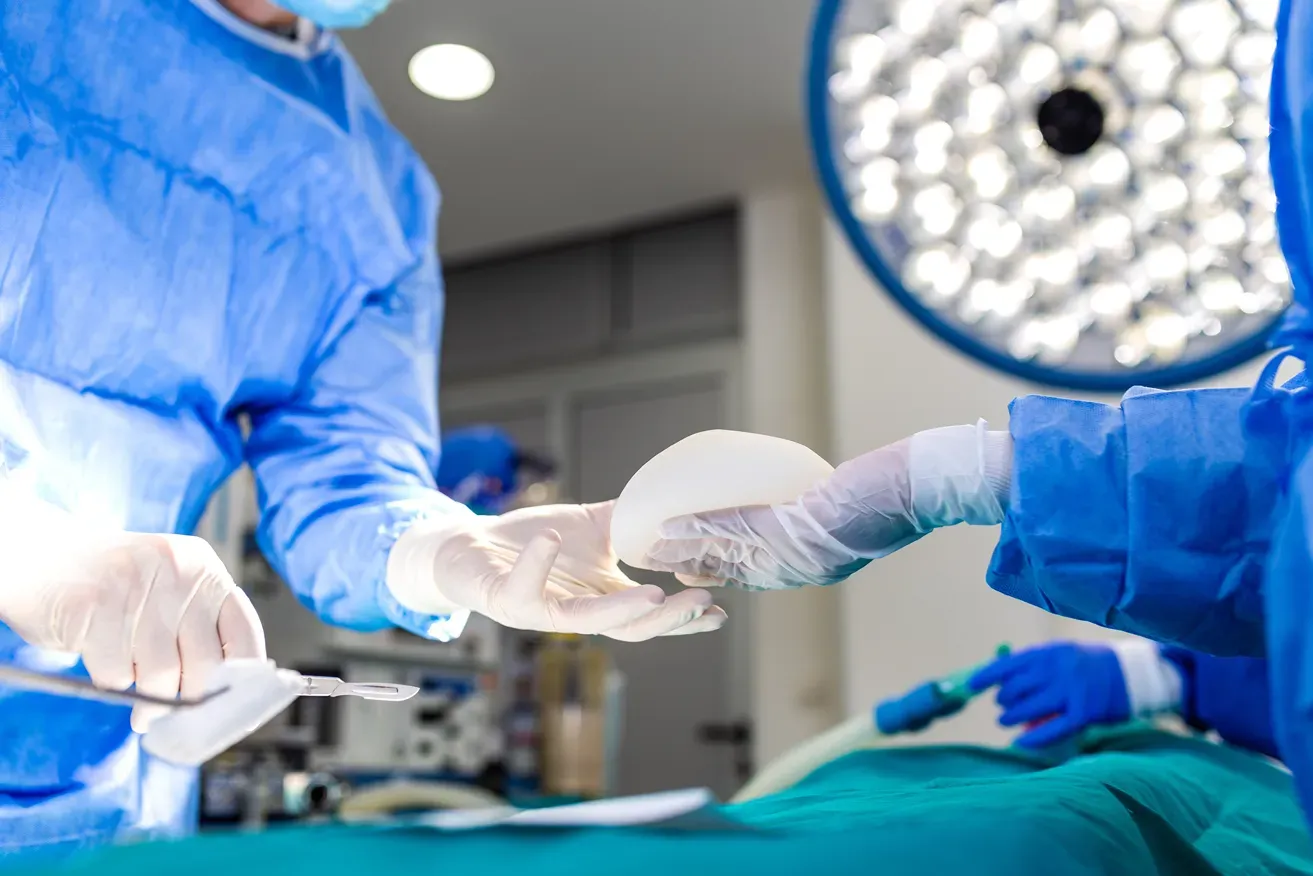
Recovery timelines vary depending on the procedure performed, the extent of surgery and your individual healing. The following timelines provide a general guide to what you can expect.
Facial Procedures
Most facial procedures have a relatively short initial recovery period, although complete healing may continue for several months as residual swelling gradually resolves.
General recovery timelines include:
Swelling and bruising usually improve within one to two weeks.
Mild swelling and bruising typically last three to seven days. Stitches are usually removed after five to seven days, and light activities can often be resumed within a few days.
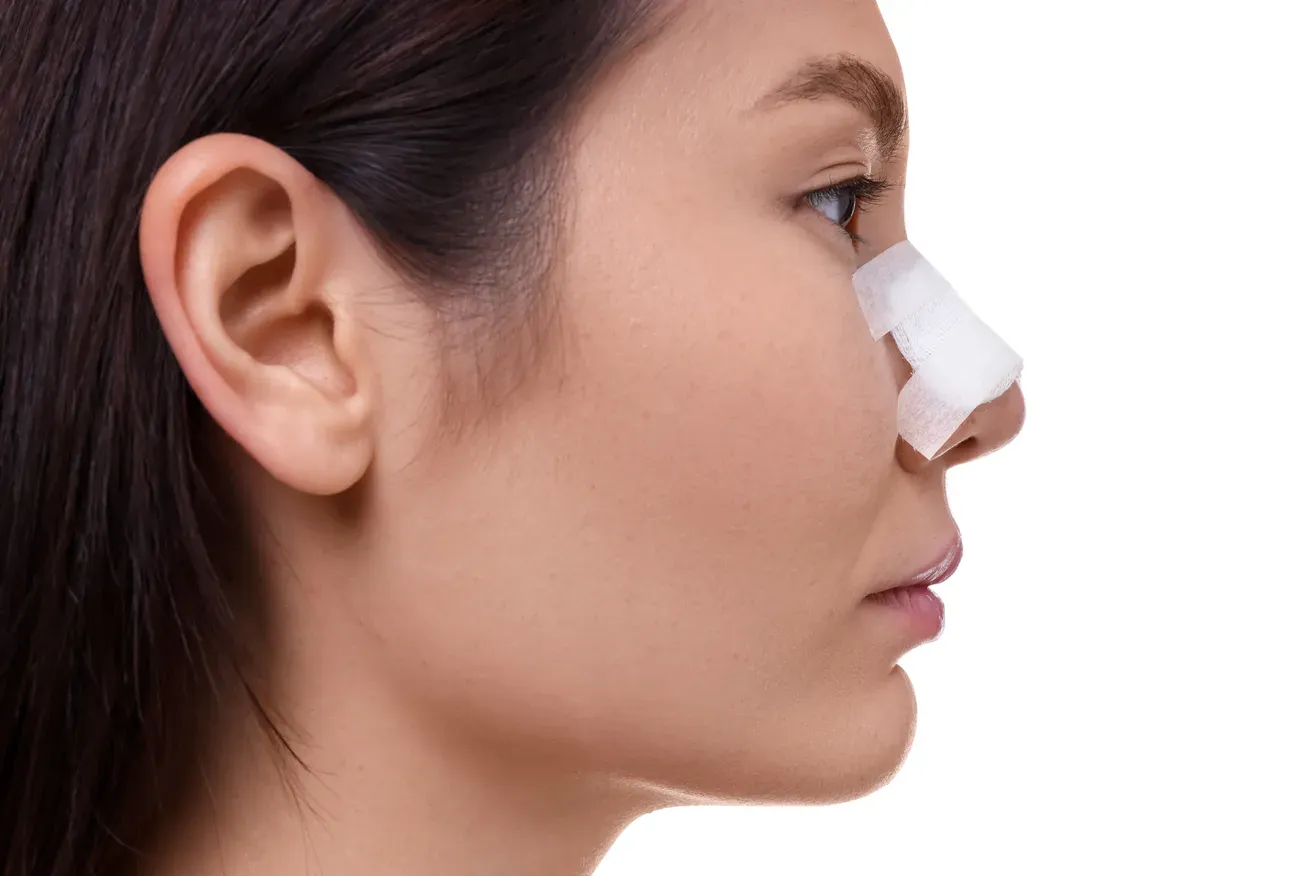
Mild swelling, congestion or nasal pressure may persist for one to two weeks. Most patients return to normal activities within seven to ten days.
Many patients return to work after one to two weeks, while the final result continues to develop over six to twelve months as swelling gradually resolves.
Breast and Body Procedures
Breast and body contouring procedures require a longer recovery because they involve larger treatment areas or deeper tissues.
Typical examples include:
Many patients return to desk-based work within five to seven days, while vigorous exercise is usually avoided for four to six weeks.
Three to seven days of rest is common, with compression garments typically worn for four to six weeks.
Patients often require two to three weeks before returning to work. Heavy lifting and core exercises are generally avoided for six to eight weeks.
Ear Procedures
Recovery following ear procedures depends on the type and extent of reconstruction.
In general:
- Initial recovery takes approximately one to four weeks
- Swelling gradually improves during the healing process
- Normal activities are resumed according to your surgeon's advice
What Affects Recovery After Plastic Surgery?
Although recovery timelines provide a useful guide, healing is influenced by several factors beyond the procedure itself.
The Extent of Surgery
More extensive procedures generally involve a longer recovery. Operations involving muscle repair or larger incisions usually take longer to heal than smaller procedures.
Following Postoperative Instructions
Recovery is supported by following your surgeon's advice, including:
- Wearing compression garments
- Caring for your incisions
- Attending follow-up appointments
- Avoiding activities that may interfere with healing
Lifestyle and General Health
Smoking, alcohol consumption, nutrition and certain medical conditions may all influence how quickly your body heals. Maintaining a healthy lifestyle before and after surgery can support recovery.
Individual Healing
Every patient heals differently. Factors such as age, genetics and skin quality all contribute to how quickly swelling settles and tissues recover.
When Should You Contact Your Plastic Surgeon?
Some swelling, bruising and discomfort are expected after surgery. However, you should seek medical advice if you experience:
- Worsening pain
- Increasing redness
- Excessive swelling
- Persistent bleeding
- Unusual wound discharge
- Fever
Early assessment allows potential complications to be identified and managed promptly.
Supporting a Smooth Recovery with SW1 Plastic Surgery
Recovering from plastic surgery involves more than allowing time for the body to heal. Understanding the expected milestones and following your surgeon's postoperative advice can help you navigate each stage of recovery with greater confidence while supporting the best possible outcome.
At SW1 Plastic Surgery in Singapore, patients receive guidance throughout every stage of recovery, from the immediate postoperative period to long-term follow-up. Under the care of Dr Tan Ying Chien and Dr Wu Yijun, recovery plans are tailored according to the procedure performed and your individual progress. Schedule a consultation and learn more about what to expect before, during and after your procedure.
Frequently Asked Questions About Plastic Surgery Recovery
Some patients may be able to shower within a day or two, while others may need to keep dressings dry for longer. Always follow your surgeon's instructions to reduce the risk of infection and protect the surgical site.
No. Your sleeping position forms part of your postoperative care and should follow your plastic surgeon's instructions. Depending on the procedure performed, you may be advised to keep your head elevated or avoid sleeping on the treated area until healing has progressed sufficiently.
A balanced diet that includes adequate protein, vitamins and fluids supports wound healing and tissue repair. Your surgeon may also advise avoiding alcohol and smoking during recovery, as these can slow the healing process.