



Stubborn areas of fat can sometimes remain despite maintaining a healthy diet and regular exercise. While lifestyle changes are important for overall health and weight management, they may not always reduce localised fat deposits in specific parts of the body.
Liposuction is a cosmetic procedure designed to remove excess fat from selected areas, helping to improve body contours and proportions. Understanding how the procedure works, who it is suitable for and what results can realistically be achieved can help you decide whether liposuction aligns with your treatment goals.
What Is Liposuction?
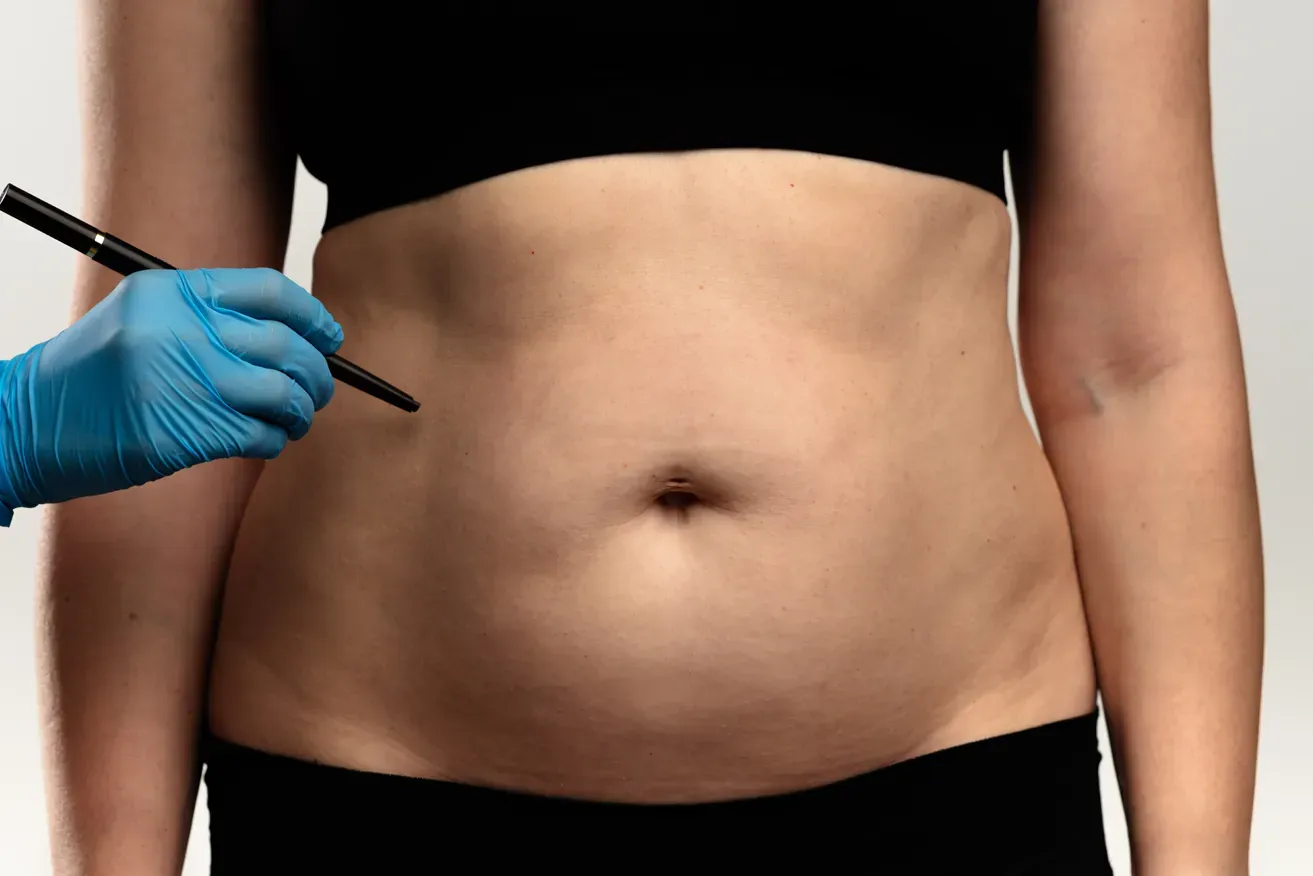
Liposuction is a surgical body contouring procedure that removes localised fat deposits using specialised suction techniques. Depending on the treatment area and your individual goals, different techniques may be recommended, including minimally invasive VASER liposuction for selected patients.
Common treatment areas include:
- Abdomen
- Waist and flanks
- Thighs
- Hips
- Upper arms
- Back
- Chin and neck
The procedure can be performed on a single area or multiple areas during the same operation, depending on your individual treatment plan and overall health.
How Does Liposuction Work?
Liposuction involves making small incisions through which a thin tube, known as a cannula, is inserted beneath the skin. The cannula is used to loosen and remove unwanted fat cells using controlled suction while preserving the surrounding tissues.
The amount of fat removed depends on the treatment area, your body shape and the desired outcome. Throughout the procedure, your plastic surgeon carefully sculpts the treated area to create smoother, more balanced contours rather than simply removing as much fat as possible.
Depending on the extent of treatment, liposuction may be performed under local anaesthesia with sedation or general anaesthesia.
Who May Be Suitable for Liposuction?
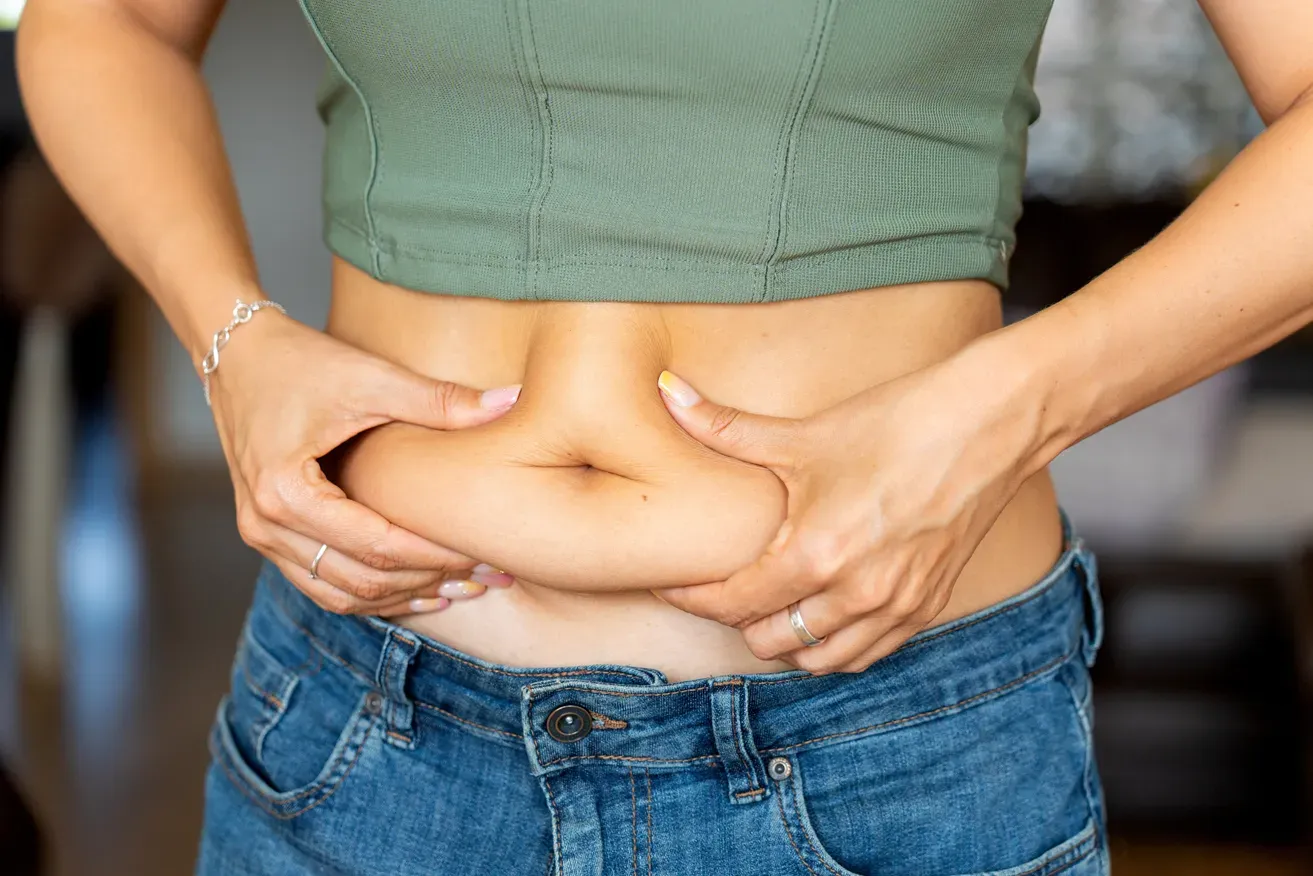
Liposuction is generally most appropriate for individuals who are close to their ideal body weight but have specific areas of persistent fat that do not respond to lifestyle measures.
You may be a suitable candidate if you:
- Have localised fat deposits despite regular exercise and a balanced diet
- Are close to a stable, healthy weight
- Have good skin elasticity
- Are in good overall health
- Have realistic expectations about the outcome
During your consultation, your plastic surgeon will assess your anatomy, medical history and treatment goals before recommending whether liposuction is appropriate for your individual circumstances.
What Are the Benefits of Liposuction?
For suitable candidates, liposuction offers several potential benefits beyond reducing unwanted fat.
Improved Body Contours
Removing stubborn fat can create a more proportionate body shape by refining areas that have not responded to diet and exercise alone.
Better Clothing Fit
Many patients find that clothing fits more comfortably after treatment, particularly around areas that previously felt disproportionate.
Long-Lasting Fat Reduction
The fat cells removed during liposuction do not regenerate. Maintaining a stable weight through healthy lifestyle habits can help preserve the results over the long term.
Increased Confidence
Some individuals feel more comfortable with their appearance after achieving improved body proportions. While results vary between patients, liposuction may contribute to greater confidence for those with realistic expectations.
Setting Realistic Expectations for Liposuction
While liposuction can effectively remove stubborn fat deposits, it is important to understand what the procedure is designed to achieve.
Liposuction is not intended to:
- Treat obesity
- Replace healthy eating or regular exercise
- Tighten significantly loose or excess skin
- Improve the appearance of cellulite
- Prevent future weight gain
For patients with significant skin laxity, additional body contouring procedures may sometimes be recommended to achieve the desired result. Your plastic surgeon will discuss the most suitable approach based on your individual assessment.
What Can You Expect During Recovery?
Recovery varies according to the number of areas treated and the extent of the procedure. Mild swelling, bruising and discomfort are common during the first one to two weeks, while customised compression garments are typically worn to reduce swelling and support healing.
As your recovery progresses, light walking is usually encouraged to promote circulation. However, strenuous exercise and heavy lifting should be avoided until your surgeon advises it is safe to resume these activities.
Although improvements may be visible soon after the procedure, the final body contour typically becomes apparent after around six months as swelling gradually settles.
Achieving Your Body Contouring Goals
Liposuction may be an effective option for individuals looking to improve body contours by targeting areas of stubborn fat that have not responded to diet and exercise. However, achieving satisfying results depends on selecting the appropriate procedure, having realistic expectations and receiving a treatment plan tailored to your individual anatomy and goals.
At SW1 Plastic Surgery in Singapore, patients receive comprehensive care throughout every stage of their body contouring journey, from consultation to recovery and follow-up. Under the care of Dr Tan Ying Chien and Dr Wu Yijun, each treatment plan is tailored to your individual needs and desired outcome. Schedule a consultation to discuss your goals and determine whether liposuction is the right option for you.
Frequently Asked Questions (FAQs) About Liposuction
Liposuction permanently removes fat cells from the treated areas. However, the remaining fat cells can still enlarge if significant weight is gained after the procedure. Maintaining a stable weight through healthy eating and regular exercise helps preserve the results.
Yes. Depending on your overall health and treatment plan, liposuction may be performed on multiple areas during the same procedure. Your plastic surgeon will determine whether this is appropriate based on the extent of treatment required.
There is no specific age requirement. Suitability depends more on your overall health, skin elasticity, body contour concerns and treatment goals than on age alone.