




Choosing a double eyelid crease involves determining its height, shape and definition based on the individual's eye characteristics and desired appearance. These decisions influence how the crease sits within the eye area and how noticeable it appears. Understanding the planning process can help patients develop realistic expectations before double eyelid surgery.
Key Takeaways
- The right double eyelid crease is planned according to individual eyelid anatomy, eye shape, facial proportions and aesthetic preferences.
- Crease height and shape can affect how defined the fold appears, but there is no single design that suits everyone.
- Skin and tissue characteristics, brow position, eyelid function and the epicanthal fold can influence crease planning.
- Aesthetic preferences are considered alongside what may be anatomically appropriate and realistically achievable.
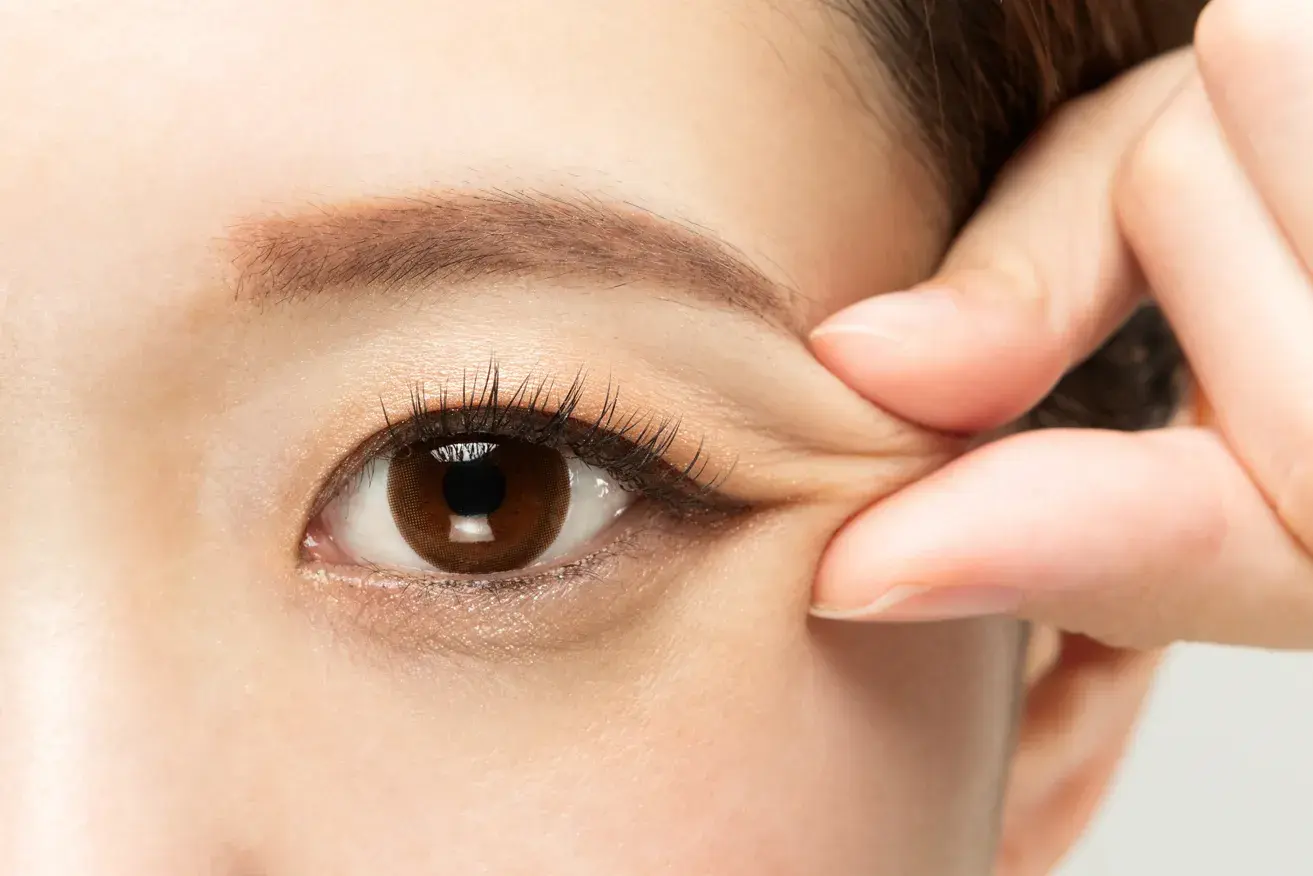
What Factors Determine the Right Double Eyelid Crease?
The right double eyelid crease depends on a combination of eyelid anatomy, eye shape, facial proportions and the patient's aesthetic goals. During assessment, a plastic surgeon may consider how the following factors could influence the position, shape and definition of the crease:
These factors are considered together rather than in isolation. For example, the amount of upper eyelid tissue can affect how visible a crease appears, while its height and shape may also be planned in relation to the surrounding facial features.
How Are Crease Height and Shape Chosen?
Crease height and shape are chosen based on the patient's eyelid anatomy, eye shape and aesthetic preferences. These elements are considered together to determine how the crease may sit and appear when the eyes are open.
How Is Crease Height Chosen?
Crease height is chosen by considering the eyelid's dimensions, surrounding tissues, the amount of eyelid skin visible above the eyelashes (pretarsal area) and the appearance the patient hopes to achieve.
A higher crease does not automatically produce a more desirable result, just as a lower crease is not necessarily more natural.
The apparent height can also differ from the measurement marked on the eyelid because skin and tissue may partly cover the crease when the eyes are open. For this reason, crease height is considered in relation to the whole eye rather than as an isolated measurement.
How Is Crease Shape Selected?
Crease shape is selected according to the existing eye shape, inner eyelid anatomy and the aesthetic effect being considered. Common designs include tapered and parallel creases, although their suitability varies between individuals.
A tapered crease narrows towards the inner corner and may merge with the epicanthal fold. A parallel crease remains separate from the inner fold and runs roughly parallel to the upper eyelid margin.
Rather than selecting a particular style based on preference alone, the surgeon and patient can discuss how different crease shapes may work with the patient's existing anatomy and desired appearance.
How Do Your Aesthetic Preferences Affect Treatment Planning?
Your aesthetic preferences help guide treatment planning, but they need to be considered alongside what is anatomically appropriate and realistically achievable.
During consultation, you can explain whether you prefer a subtle or more defined crease and discuss features you like or wish to avoid. The surgeon may temporarily simulate different crease positions to give you an idea of how each option could look with your eye shape.
Reference photographs may also help communicate your preferred aesthetic, but another person's crease cannot necessarily be reproduced exactly because eyelid anatomy differs between individuals.
The consultation is therefore a two-way discussion: you communicate your goals, while the surgeon explains how your anatomy may influence the possible crease designs and expected outcome.
Plan Your Eyelid Crease Design at SW1 Plastic Surgery
Choosing a double eyelid crease means considering how its height, shape and definition work together with your eyelid anatomy and facial proportions. A design that appeals to you in a photograph may look different on your own eyes. The planning process helps bring your preferences into focus, turning a general idea of the appearance you want into a design that accounts for your individual features and the limitations of surgery.
At SW1 Plastic Surgery, Consultant Plastic Surgeons Dr Tan Ying Chien and Dr Wu Yijun assess these considerations when discussing crease design. Dr Tan's experience spans reconstructive, craniofacial and aesthetic surgery, while Dr Wu's experience includes reconstructive and aesthetic plastic surgery. Book a consultation to discuss your preferred appearance and explore a treatment approach suited to your eyelid characteristics.
Frequently Asked Questions (FAQs) About Double Eyelid Crease Planning
Regular use of eyelid tape or glue may affect the upper eyelid skin or create temporary crease lines, which can make it harder to assess your natural eyelid crease. If you use these products regularly, let your surgeon know during your consultation so they can take this into account when assessing your eyelids and planning your crease.
A more defined crease may make the eyes appear more open, but it does not always make them look bigger. How noticeable this effect is depends on your eye shape, eyelid anatomy and facial proportions, so a deeper or higher crease does not automatically create a larger-looking eye.
Not necessarily. Although double eyelid surgery can create a lasting crease, the eyelids and surrounding facial tissues continue to change naturally with age. Longevity can also vary according to the technique used and individual healing factors.