

Rhinoplasty in Singapore
The nose plays an important role in facial balance and proportion. Some individuals may feel that their nose appears too flat, wide or prominent, while others may be concerned about tip definition, asymmetry or how the nose harmonises with their other facial features. Rhinoplasty reshapes the nose to refine its appearance and create better facial balance while preserving a natural look. At SW1 Plastic Surgery, treatment planning combines aesthetic principles with reconstructive surgical expertise to achieve results that complement each individual's facial features.
 SW1 Plastic Surgery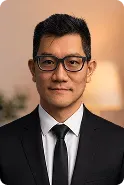
Dr Tan Ying Chien
Consultant Plastic Surgeon
MBBS (National University of Singapore), Masters in Medicine (Surgery), Member of Royal College of Surgeons Edinburgh, Fellow of Academy of Medicine, Singapore (Plastic Surgery)

Dr Wu Yijun
Consultant Plastic Surgeon
MBBS (National University of Singapore), Masters in Medicine (Surgery), Member of Royal College of Surgeons Edinburgh, Fellow of Academy of Medicine, Singapore (Plastic Surgery)
Understanding Your Rhinoplasty Options
Rhinoplasty can be performed using different techniques depending on the concerns being addressed and the outcome being sought. Treatment recommendations are guided by factors such as nasal anatomy, facial proportions and whether the primary goal is cosmetic enhancement, functional improvement or temporary contour refinement.
Cosmetic Rhinoplasty
Cosmetic rhinoplasty focuses on refining the appearance and proportions of the nose. Common concerns include bridge height, nasal tip shape, nostril appearance, asymmetry and overall facial balance. The goal is to create a nose that complements the surrounding facial features while maintaining a natural appearance.
Functional Rhinoplasty
Functional rhinoplasty is performed to address structural issues that may affect nasal airflow and breathing. In some cases, treatment may improve both nasal function and appearance, depending on the underlying anatomy and the changes being made.
Non-Surgical Rhinoplasty
Non-surgical rhinoplasty uses dermal fillers to temporarily refine selected nasal contours without surgery. It may be considered for concerns such as a low nasal bridge, mild asymmetry or minor contour irregularities. Results are temporary and suitability depends on the individual's anatomy and treatment goals.

A successful rhinoplasty is not simply about changing the nose. Small adjustments can influence overall facial balance in significant ways.
Our rhinoplasty surgeons assess how the nose works with your other facial features to recommend changes that complement your natural appearance and align with your aesthetic goals.
The SW1 Approach to Rhinoplasty
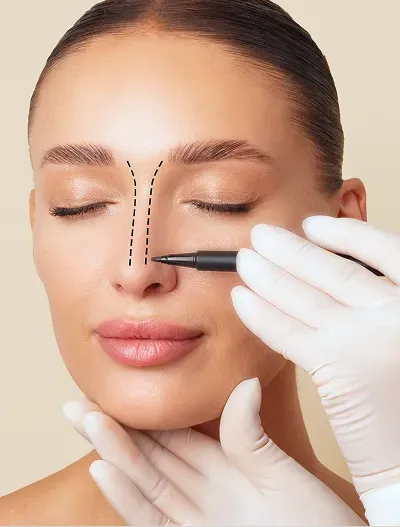
Rhinoplasty involves more than reshaping the nose. Treatment planning requires careful consideration of facial proportions, nasal anatomy and structural support to determine which changes are appropriate and achievable. At SW1 Plastic Surgery, recommendations are guided by both aesthetic goals and the underlying characteristics of the nose.
Understanding Facial Balance
A nose that suits one face may not suit another. Our rhinoplasty surgeons assess how the bridge, tip, nostrils and surrounding facial features relate to one another, helping to ensure that any refinements remain proportionate and natural-looking.
Assessment and Treatment Planning
Every nose has unique structural characteristics that can influence surgical planning. Factors such as skin thickness, cartilage strength, nasal symmetry, previous nasal surgery and individual aesthetic goals are carefully evaluated when determining the most appropriate surgical approach.
Hybrid™ Rhinoplasty for Asian Noses
Many Asian noses have distinct anatomical characteristics, including lower nasal bridges, softer cartilage, wider nose bases and less tip projection. SW1 Plastic Surgery's Hybrid™ Rhinoplasty approach combines different surgical techniques where appropriate to enhance bridge definition, refine the nasal tip and improve overall nasal proportions while maintaining harmony with the surrounding facial features.
Advanced Imaging and Surgical Facilities
SW1 Plastic Surgery is equipped with Vectra 3D imaging technology, which can support treatment planning and help patients better visualise potential outcomes. Procedures are performed in our MOH-accredited operating theatres, providing continuity of care within a single clinic setting.
What Happens During Surgical Rhinoplasty?
Rhinoplasty is typically performed as a day surgery procedure under anaesthesia. Depending on the patient's concerns and surgical plan, the procedure may involve reshaping the nasal bridge, refining the nasal tip, adjusting the nostrils or combining multiple techniques to achieve the desired outcome.
Anaesthesia
Rhinoplasty is commonly performed under general anaesthesia to ensure patient comfort throughout the procedure.
Surgical Approach
Rhinoplasty may be performed using either an open or closed approach. Open rhinoplasty involves a small incision across the columella (the strip of skin that separates the nostrils), while closed rhinoplasty places incisions within the nostrils. The choice of technique is guided by the structures being addressed, the complexity of the planned changes and the surgical goals.
Reshaping the Nose
Once the nasal structures are accessed, the surgeon performs the planned modifications. Depending on the individual's needs, this may involve:
- Refining the nasal bridge
- Enhancing bridge height and definition
- Improving nasal tip shape and projection
- Adjusting nostril shape or width
- Using cartilage grafts to provide additional structural support where required
The exact combination of techniques varies according to the patient's anatomy and treatment goals. For patients with both cosmetic concerns and structural issues affecting nasal airflow, rhinoplasty may sometimes be combined with septoplasty as part of the overall surgical plan.
Procedure Duration
Rhinoplasty generally takes between 2 and 4 hours, depending on the complexity of the procedure and the surgical techniques involved.

Recovery After Rhinoplasty
Recovery following rhinoplasty varies depending on the extent of surgery performed, the techniques used and individual healing factors. Understanding what to expect during recovery can help patients prepare for the healing process and return to daily activities with greater confidence.
The First Few Days
Swelling, bruising and mild discomfort are common during the initial recovery period. Some patients may also experience temporary nasal congestion as the tissues heal. These symptoms generally improve over time and can be managed with medication and post-operative care instructions provided by your surgeon.
Caring for the Nose
Patients are typically advised to avoid placing pressure on the nose and to follow all wound care instructions provided by their surgeon. Keeping the treatment area protected during the early stages of recovery can support the healing process.
Returning to Daily Activities
Many patients are able to return to non-strenuous work and light daily activities within one to two weeks, depending on the extent of surgery performed and individual recovery progress.
When Will I See Results?
Initial improvements become visible as swelling begins to subside. However, the nose continues to settle over time, and final results may take several months to fully develop as healing progresses.
Follow-Up Care
Follow-up appointments allow your surgeon to monitor healing, assess recovery progress and address any concerns that may arise after surgery.
Creating Facial Balance Through Rhinoplasty at SW1 Plastic Surgery
Rhinoplasty can address concerns relating to nasal shape, bridge height, tip definition and overall nasal proportions. Whether the goal is subtle refinement or more noticeable structural change, recommendations are guided by the individual's facial features, nasal structure and desired outcome.
At SW1 Plastic Surgery, rhinoplasty is performed by MOH-accredited plastic surgeons Dr Tan Ying Chien and Dr Wu Yijun. Drawing on their experience in both aesthetic and reconstructive plastic surgery, they develop treatment plans focused on achieving natural-looking results that complement each patient's facial features. Schedule a consultation with us today to discuss your rhinoplasty goals.
FAQs on Rhinoplasty
A natural-looking rhinoplasty takes into account factors such as facial proportions, nasal anatomy and the degree of change being made. The goal is to create improvements that appear balanced and harmonious rather than obviously surgical.
All surgical procedures result in some degree of scarring. For open rhinoplasty, a small incision is placed across the columella, while closed rhinoplasty places incisions within the nostrils. Scars typically become less noticeable over time as they mature.
Rhinoplasty may be used to improve nasal asymmetry or a crooked nose, depending on the underlying cause. The extent of correction that can be achieved varies between individuals and depends on factors such as nasal structure and previous injury.
Swelling is a normal part of the healing process and gradually improves over time. While much of the initial swelling settles within the first few weeks, subtle changes may continue to occur over several months as the nose heals and refines.
In some cases, rhinoplasty may be combined with septoplasty when both cosmetic concerns and structural issues affecting nasal airflow are present. Whether a combined procedure is appropriate depends on the individual's anatomy and treatment goals.
Revision rhinoplasty may be considered for patients who have undergone previous nasal surgery and would like to address aesthetic concerns, structural issues or changes that have developed over time. Treatment planning is often more complex and depends on the existing nasal anatomy and surgical history.
Meet Your Rhinoplasty Surgeons
Rhinoplasty at SW1 Plastic Surgery is performed by MOH-accredited plastic surgeons Dr Tan Ying Chien and Dr Wu Yijun. Drawing on their experience in both aesthetic and reconstructive plastic surgery, they develop treatment plans focused on achieving natural-looking results tailored to each patient's anatomy and treatment goals.
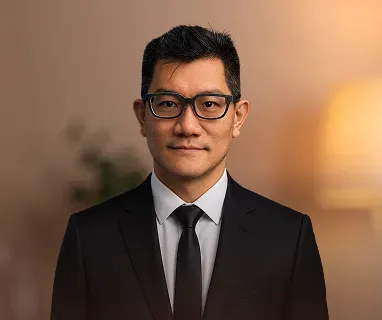
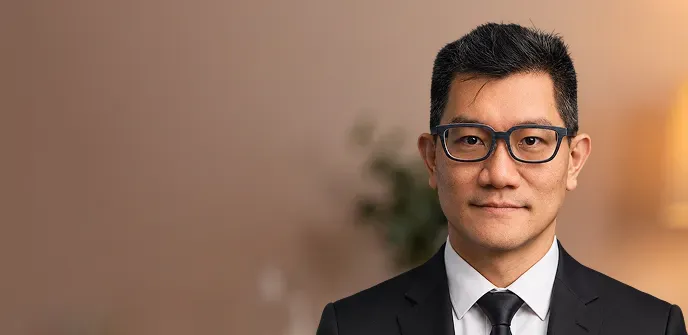

Dr Tan Ying Chien
Consultant Plastic Surgeon
MBBS (Singapore), MMed (Surgery),MRCS (Edinburgh), FAMS (Plastic Surgery)
Dr Tan Ying Chien
Consultant Plastic Surgeon
MBBS (Singapore), MMed (Surgery),MRCS (Edinburgh), FAMS (Plastic Surgery)
Dr Tan Ying Chien is an experienced plastic surgeon with expertise spanning reconstructive, craniofacial and aesthetic surgery. His background in facial reconstruction and craniofacial procedures provides a strong foundation for rhinoplasty, where a detailed understanding of facial anatomy, structural support and surgical planning plays an important role in achieving balanced outcomes.


Dr Wu Yijun
Consultant Plastic Surgeon
MBBS (Singapore), MMed (Surgery),MRCS (Edinburgh), FAMS (Plastic Surgery)
Dr Wu Yijun
Consultant Plastic Surgeon
MBBS (Singapore), MMed (Surgery),MRCS (Edinburgh), FAMS (Plastic Surgery)
Dr Wu Yijun has clinical interests in reconstructive and aesthetic plastic surgery, including facial aesthetic procedures. She approaches rhinoplasty with careful consideration of nasal anatomy, facial proportions and each patient's aesthetic goals, developing personalised treatment plans that support balanced, natural-looking outcomes.