PARAGON - 290 Orchard Road, #13-01/2/3/4/5/6 Paragon


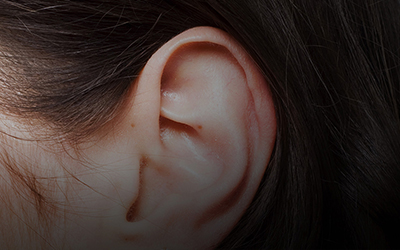
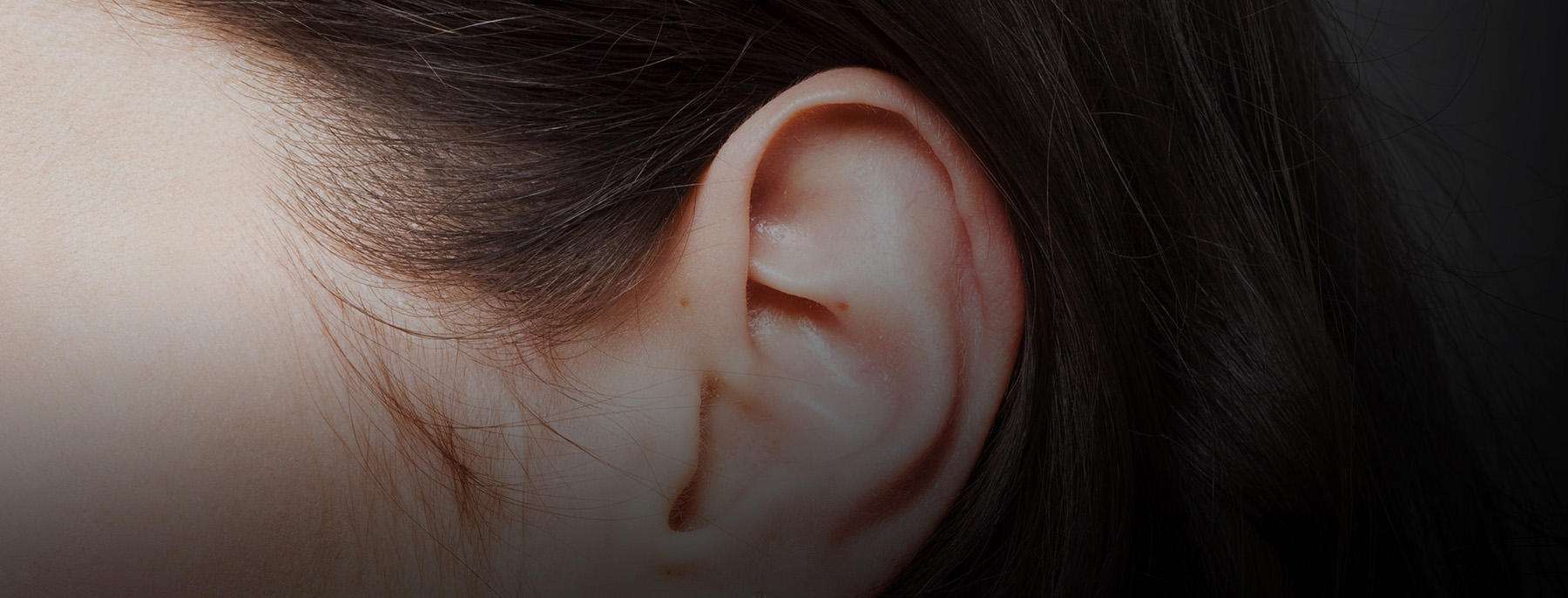
Deformity of the external ear, as well as protruding ears, can affect one’s facial profile and confidence. Fortunately, constructing a natural-looking appearance of the ear is now possible in the hands of experienced plastic surgeons.


The SW1 Approach to Cosmetic Ear Procedures
1
We approach each patient – whether an adult or a child – with a fresh and all-rounded perspective as everybody’s goals, physical features and preferences are unique.
2
With over two decades of experience in ear reconstruction, we can improve the shape, position and proportion of the ear through a range of surgical and non-surgical means.
3
We welcome patients to our spacious and luxurious premises, fully equipped with accredited in-house operating theatres so that your time with us is smooth and convenient.
Who
Should
Consider
Cosmetic Ear Surgery?
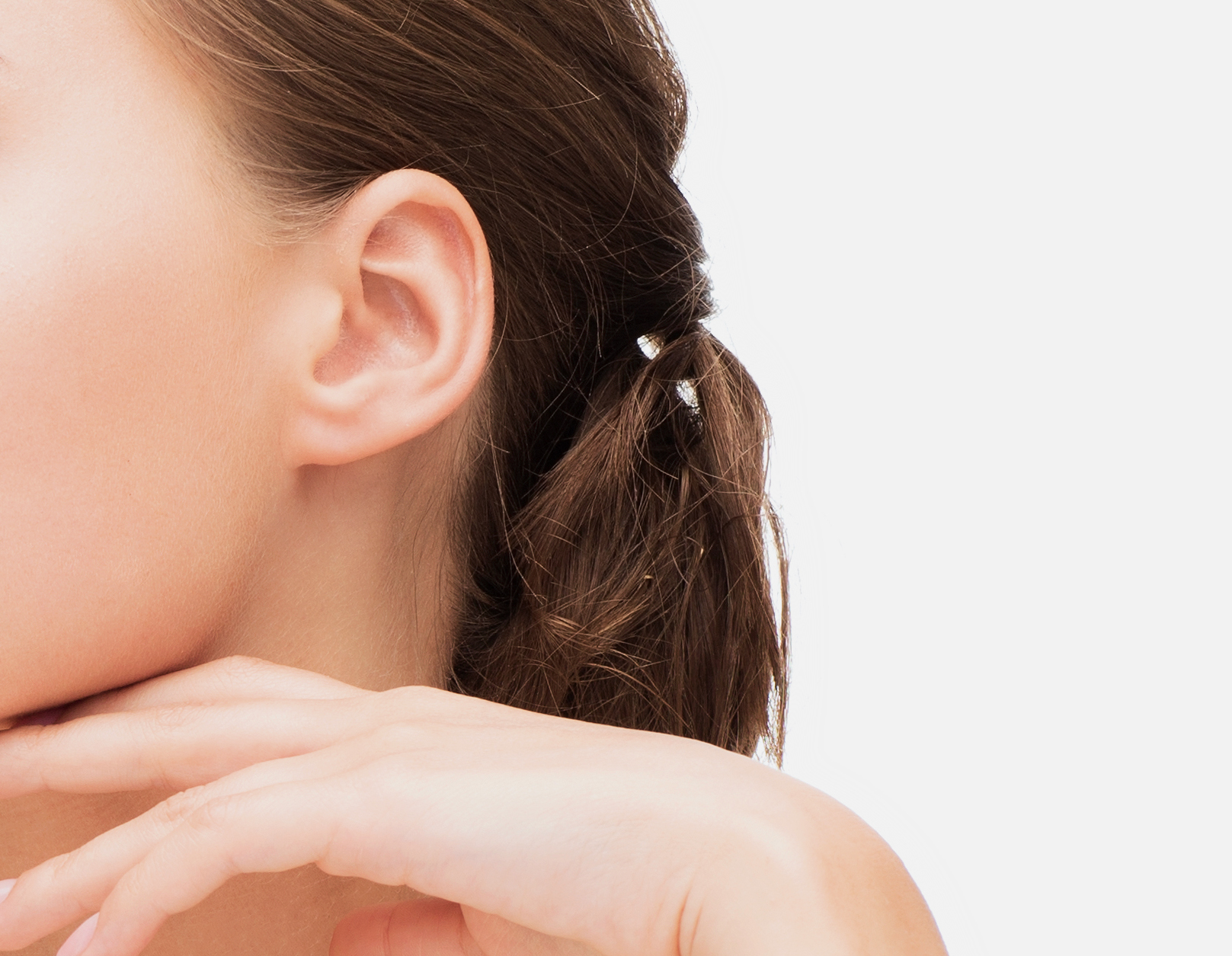
If you or your child has any of the following ear abnormalities:
- Prominent Ears | Ears that abnormally protrude from the side of the head.
- Cryptotia | When the upper part of the ear is hidden/buried in the skin of the scalp.
- Stahl’s Ear | When there is an extra crease or fold in the ear cartilage.
- Constricted Ears | When the top rim of the ear is folded over, or too tight.
- Anotia | Complete absence of the external ear – this can also affect one’s hearing.
- Microtia | An underdeveloped external ear with several missing features.
- Cauliflower ear | Deformation caused by ear trauma and bleeding.
Patient
Assurance: Specialised Expertise
& Natural-Looking Results

Our plastic surgeons are skilled in enhancing the appearance of the ear: Dr Tan Ying Chien completed a stint in Japan in the subspecialty field of ear reconstructive surgery, and Dr Chia Hui Ling is well-regarded in ear molding (non-surgical correction) and ear surgery, having had her research internationally published.
We ensure that each procedure is completely personalised to the individual in order to complement their facial profile well. We are experience in adult and paediatric ear procedures, and we utilise both surgical and non-surgical methods for suitable cases.
Seamless Patient Journey
Whether it is for you or your child, our standards in patient care remains the same.
Efficient
For surgery, it will take just about 1.5 hours and is an outpatient procedure.
Discreet
Scars will not be prominent and results will resemble a normal and natural ear.
Comfortable
Anaesthesia will be used in surgical procedures. With non-surgical ear molding, minimal discomfort may occur but it is temporary and easily managed.
We are committed to helping babies, children and adults alike achieve a normal appearance of their ear; and we do with their utmost safety and interests in mind.
How is
Otoplasty
Performed?
Otoplasty refers to the surgical correction and reconstruction of the external ear.
In prominent ears and other ear deformities, surgery will involve adjusting the existing skin and cartilage to reshape the ear.
Recovery usually takes 1 to 4 weeks, depending on the type and extent of reconstruction.
What is
Non-Surgical
Ear Molding?
In some cases among infants, surgery may not be required to correct the shape of the external ear.
In infants whose bones and cartilages are still soft and malleable, many cases of ear deformities can be treated simply by wearing an ear mold (splinting).
At SW1, we use the renowned Earwell device, which has been clinically proven to produce excellent results in certain ear deformities.
The customised device is changed every two weeks, and is worn for at least 4 to 6 weeks. The earlier ear molding begins, the better the results.
In infants whose bones and cartilages are still soft and malleable, many cases of ear deformities can be treated simply by wearing an ear mold (splinting).
At SW1, we use the renowned Earwell device, which has been clinically proven to produce excellent results in certain ear deformities.
The customised device is changed every two weeks, and is worn for at least 4 to 6 weeks. The earlier ear molding begins, the better the results.
Road to Recovery
Right after ear surgery, a bandage or headband will be placed around the head which must stay intact for a few days.This is important to support the ear’s new shape and reduces bleeding.
Following bandage removal, patients must continue to wear a head band for around two weeks in order to prevent the ears from folding or trauma.
Sutures are removed at 7-10 days, and pain medications will be prescribed to alleviate discomfort while you recover.
FAQs
Can ear surgery fix stretched or torn earlobes?
How much downtime will I need after ear surgery?
Can ear surgery improve hearing?
Are the results of ear surgery permanent?
Our Other Services
With our attentive approach, experienced staff, diverse areas of expertise and all-in-one facilities, we are sure that you will be well taken care of. We warmly welcome you to our plastic surgery clinic for a personalised consultation.
Our Established Plastic Surgeons

MBBS (S'pore), MMed (Surgery), MRCS (Edinburgh)
FAMS (Plastic Surgery)
FAMS (Plastic Surgery)
Dr Tan has practiced across Singapore, Taiwan and Japan, building up a solid reputation in the plastic surgery fraternity over the decade. Dr Tan completed a prestigious subspecialty stint in Ear Reconstruction Surgery in Japan, and is a Visiting Consultant Plastic Surgeon at KKH and SGH, providing pro bono ear reconstructive surgery to needy patients. He is a part of Operation Smile, a charitable organisation organising medical mission trips to developing countries.

MBBS (UK), MMed (Surgery), MRCS (England)
FAMS (Plastic Surgery)
FAMS (Plastic Surgery)
Dr Chia’s diverse experience spans across the United Kingdom, Singapore and South Korea. She has received fellowship awards from the Seoul National University Hospital (SNUH) and the JW Lee Centre for Global Medicine (South Korea). Dr Chia is a volunteer plastic surgeon with Smile Asia, and is well-regarded for her expertise in ear molding, having her research published in an international plastic surgery journal and being a frequent presenter on the topic.
SW1 Plastic Surgery
Paragon
Paragon
290 Orchard Road,
#13-01/2/3/4/5/6 Paragon
#13-01/2/3/4/5/6 Paragon
Mon - Fri
: 9am-5pm
Saturday
: 9.30am-12.30pm
Sunday & Public Holiday
: Closed
+65 6690 2471