


Abdominoplasty (Tummy Tuck) in Singapore
Pregnancy and significant weight loss can leave behind loose abdominal skin, weakened muscles and changes to body contour that may not improve with diet and exercise alone. Abdominoplasty, also known as a tummy tuck, removes excess skin and repairs separated abdominal muscles where appropriate to create a firmer, smoother abdominal contour. At SW1 Plastic Surgery, our MOH-accredited plastic surgeons assess skin laxity, abdominal muscle separation and body proportions to recommend an approach suited to your anatomy and treatment goals.
 SW1 Plastic Surgery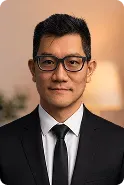
Dr Tan Ying Chien
Consultant Plastic Surgeon
MBBS (National University of Singapore), Masters in Medicine (Surgery), Member of Royal College of Surgeons Edinburgh, Fellow of Academy of Medicine, Singapore (Plastic Surgery)

Dr Wu Yijun
Consultant Plastic Surgeon
MBBS (National University of Singapore), Masters in Medicine (Surgery), Member of Royal College of Surgeons Edinburgh, Fellow of Academy of Medicine, Singapore (Plastic Surgery)
On this page:
What Concerns Can Abdominoplasty Address?
Abdominoplasty may be considered when concerns involve excess skin, weakened abdominal muscles or both. Understanding whether your concerns relate primarily to skin, muscles or remaining fat helps determine whether abdominoplasty, liposuction or a combination of procedures may be appropriate.

Loose Abdominal Skin After Pregnancy
Pregnancy can leave behind loose abdominal skin or muscle separation that persists after childbirth. Abdominoplasty may be considered when these changes do not improve despite recovery and exercise.
Changes Following Significant Weight Loss
Significant weight loss can leave behind excess abdominal skin that does not retract fully. Abdominoplasty may help remove this excess skin and restore a smoother abdominal profile once your weight has stabilised.
Separation of the Abdominal Muscles (Diastasis Recti)
Diastasis recti occurs when the abdominal muscles separate, creating a persistent abdominal bulge despite regular exercise. When appropriate, abdominoplasty can include repair of the separated muscles.
Persistent Loose Skin Despite Exercise
Diet and exercise can reduce body fat but cannot remove excess skin or repair stretched abdominal muscles. Patients who have reached a stable weight may wish to explore whether abdominoplasty is appropriate for their concerns.
Excess Skin Causing Physical Discomfort
Excess abdominal skin may contribute to skin irritation, difficulty with clothing or hygiene challenges within skin folds. Abdominoplasty may be considered when these concerns affect daily comfort.
Understanding Your Abdominoplasty Options
Abdominoplasty is not a one-size-fits-all procedure. The most appropriate approach depends on factors such as the amount of excess skin, whether the abdominal muscles have separated and the areas requiring contouring. Depending on your anatomy and treatment goals, your surgeon may recommend a mini, full or extended abdominoplasty.
Best Suited For
Area Treated
Muscle Repair
Belly Button Repositioning
Planning Considerations
The choice of technique depends on your anatomy, the extent of skin laxity and whether muscle repair is required.


The SW1 Approach to Abdominoplasty
Successful abdominoplasty involves more than removing excess skin. Creating lasting improvements requires assessment of the skin, underlying fat, abdominal muscles and overall body proportions. At SW1 Plastic Surgery, treatment planning focuses on addressing the underlying causes of your concerns while preserving your natural body proportions.
Understanding Your Goals
Patients seek abdominoplasty for different reasons. Some would like to address loose skin following pregnancy, while others are concerned about changes after significant weight loss or persistent abdominal bulging caused by muscle separation. Understanding your priorities helps shape the surgical plan and determine the most appropriate approach.
Assessment and Treatment Planning
Abdominal concerns often involve more than one layer. During assessment, your surgeon evaluates the degree of skin laxity, the distribution of excess fat and whether muscle repair may be required. This helps determine whether abdominoplasty alone or a combined approach is likely to address your concerns.
When Liposuction May Be Combined with Abdominoplasty
Although both procedures reshape the abdomen, abdominoplasty and liposuction address different concerns. Abdominoplasty removes excess skin and may repair separated abdominal muscles, while liposuction removes localised fat deposits. In selected patients, combining both procedures may provide more comprehensive body contouring than either procedure alone.
Advanced Imaging and Surgical Facilities
SW1 Plastic Surgery is equipped with Vectra 3D imaging technology, which can support treatment planning and help patients better visualise potential outcomes. Procedures are performed in our MOH-accredited operating theatres, providing continuity of care within a single clinic setting.
What Happens During Abdominoplasty?
Abdominoplasty is typically performed as a day surgery procedure under general anaesthesia. The surgical approach depends on the type of abdominoplasty being performed and whether additional procedures, such as liposuction, are included as part of the treatment plan.
Anaesthesia
Abdominoplasty is performed under general anaesthesia to ensure your comfort throughout the procedure.
Incision Placement
The incision is planned according to the type of abdominoplasty being performed and the amount of excess skin being removed. In most cases, the incision is positioned low on the abdomen so it can usually be concealed beneath underwear or swimwear.
Removing Excess Skin
Where appropriate, excess fat may also be removed to further refine the abdominal contour.
Repairing the Abdominal Muscles
Where abdominal muscle separation is present, the muscles may be repaired to restore support to the abdominal wall and improve abdominal contour.
Closing the Incisions
Once the planned corrections have been completed, the remaining skin is repositioned and the incisions are closed using appropriate surgical techniques. Dressings are then applied before you are transferred to the recovery area.
Procedure Duration
Abdominoplasty typically takes between two and four hours, depending on the type of procedure being performed, whether muscle repair is required and whether it is combined with other procedures.

Recovery After Abdominoplasty
Recovery following abdominoplasty varies depending on the type of procedure performed, whether muscle repair was included and individual healing factors. Your surgeon will provide detailed aftercare instructions and review your healing during scheduled follow-up appointments.
The First Few Days
It is normal to experience swelling, bruising and a feeling of tightness across the abdomen during the early stages of recovery. These symptoms gradually improve over time and can be managed with medication and the post-operative care instructions provided by your surgeon.
Compression Garments
You may be advised to wear a compression garment for a period of time after surgery. This helps support the healing tissues and minimise swelling during recovery. Your surgeon will advise how long the garment should be worn based on your procedure and recovery progress.
Returning to Daily Activities
Most patients are able to resume light daily activities within a few weeks, although recovery timelines vary depending on the extent of the procedure and individual healing. Your surgeon will advise when it is appropriate to return to work, exercise, lifting and other routine activities.
When Will I See Results?
As swelling settles, the abdomen gradually becomes flatter and more defined. While early improvements are often visible within the first few weeks, the final result continues to develop over the following months as healing progresses.
Follow-Up Care
Follow-up appointments allow your surgeon to monitor healing, assess your recovery and address any questions or concerns throughout the recovery process.
Restore Your Abdominal Contour with SW1 Plastic Surgery
Abdominoplasty can address loose abdominal skin, weakened abdominal muscles and changes to body contour that may persist after pregnancy or significant weight loss. By removing excess skin and repairing the abdominal muscles when indicated, the procedure can create a smoother abdominal contour while improving overall body proportion.
At SW1 Plastic Surgery, abdominoplasty is performed by MOH-accredited plastic surgeons Dr Tan Ying Chien and Dr Wu Yijun. Drawing on their experience in aesthetic and reconstructive plastic surgery, they develop treatment plans based on your anatomy, the changes you would like to achieve and your overall body contour. Schedule a consultation with us today to discuss your concerns and explore your treatment options.
FAQs on Abdominoplasty
Abdominoplasty involves a lower abdominal incision, and all surgical procedures result in some degree of scarring. Your surgeon will plan the incision so it can usually be concealed beneath underwear or swimwear, and scars generally become less noticeable as they mature.
Yes. Pregnancy is still possible after abdominoplasty. However, future pregnancy can stretch the skin and abdominal muscles again, which may affect the longevity of the results. Patients who are planning future pregnancies may wish to discuss the timing of surgery with their plastic surgeon.
Abdominoplasty is generally intended for patients who are at or close to a stable weight. Significant weight changes after surgery may affect the surgical result, so your surgeon will discuss whether it is appropriate to achieve a stable weight before proceeding.
Abdominoplasty may remove stretch marks located on the skin that is excised during the procedure, most commonly those on the lower abdomen. Stretch marks outside the area being removed will remain.
The results of abdominoplasty are generally long-lasting when a stable weight is maintained. However, natural ageing, pregnancy and significant weight changes may alter the appearance of the abdomen over time.
In selected cases, revision abdominoplasty may be considered to address concerns following a previous tummy tuck. The available options depend on factors such as the existing scar, skin quality, abdominal tissues and the changes you would like to achieve.
Meet Your Abdominoplasty Surgeons
Abdominoplasty at SW1 Plastic Surgery is performed by MOH-accredited plastic surgeons Dr Tan Ying Chien and Dr Wu Yijun. Drawing on their experience in aesthetic and reconstructive plastic surgery, they assess skin, fat and abdominal muscles to develop treatment plans that address each patient's concerns and body contour goals.
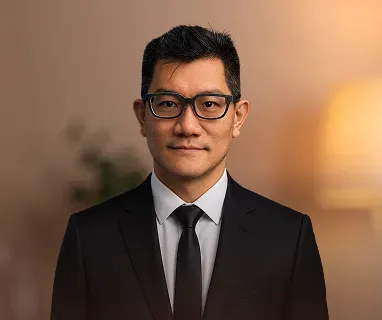
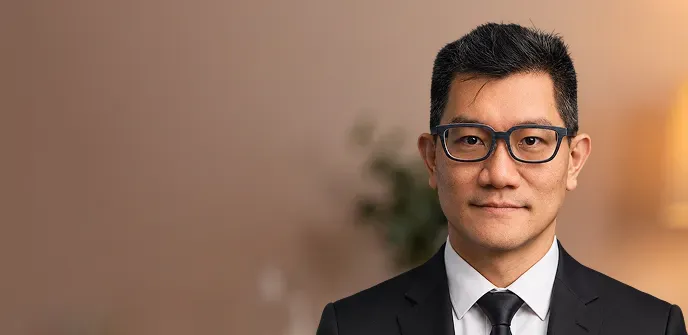

Dr Tan Ying Chien
Consultant Plastic Surgeon
MBBS (Singapore), MMed (Surgery),MRCS (Edinburgh), FAMS (Plastic Surgery)
Dr Tan Ying Chien
Consultant Plastic Surgeon
MBBS (Singapore), MMed (Surgery),MRCS (Edinburgh), FAMS (Plastic Surgery)
Dr Tan Ying Chien has experience spanning reconstructive, craniofacial and aesthetic plastic surgery. His background in reconstructive surgery and detailed understanding of anatomy support careful assessment of the abdominal wall and surrounding tissues when planning abdominoplasty for patients with varying reconstructive and aesthetic needs.


Dr Wu Yijun
Consultant Plastic Surgeon
MBBS (Singapore), MMed (Surgery),MRCS (Edinburgh), FAMS (Plastic Surgery)
Dr Wu Yijun
Consultant Plastic Surgeon
MBBS (Singapore), MMed (Surgery),MRCS (Edinburgh), FAMS (Plastic Surgery)
Dr Wu Yijun has experience in reconstructive and aesthetic plastic surgery, taking a thoughtful approach to treatment planning and patient care. She carefully assesses each patient's anatomy, concerns and treatment goals to develop an abdominoplasty plan tailored to their individual needs.