




The nose plays an important role in both appearance and breathing. For some individuals, concerns may centre around nasal obstruction that affects daily comfort and sleep quality. Others may feel unhappy with the shape or proportions of their nose and wish to improve facial balance. In certain situations, both functional and aesthetic concerns may exist at the same time.
Two procedures that are often discussed in relation to nasal surgery are septoplasty and rhinoplasty. Although they involve the same area of the face, they are designed to address different issues and achieve different outcomes. Understanding how these procedures differ can help individuals recognise which option may be more suitable for their needs.

Septoplasty: Addressing Functional Nasal Concerns
Septoplasty is performed to improve the function of the nose by correcting structural issues affecting airflow. One of the most common reasons for this procedure is a deviated septum, where the wall separating the nasal passages shifts away from the centre.
Although some people are born with a deviated septum, it can also develop after facial injury or trauma. Symptoms may vary in severity, with some individuals noticing only mild congestion while others experience ongoing breathing difficulties that affect sleep quality and daily comfort.
Signs that may prompt assessment include:
- Persistent nasal blockage
- Difficulty breathing through one side of the nose
- Frequent sinus infections
- Snoring or disturbed sleep
- Facial pressure or recurring headaches
Because the procedure mainly targets internal structures, external changes to nasal appearance are typically minimal unless additional surgery is performed.
Rhinoplasty: Refining Nasal Shape and Facial Balance
Rhinoplasty focuses on reshaping the nose to achieve improved facial harmony and proportions. Since the nose sits centrally on the face, even subtle changes can influence overall appearance.
Individuals may seek rhinoplasty for a range of reasons. Some wish to address features they have long felt self-conscious about, while others seek correction after injury or previous surgery.
Common concerns include:
- A prominent hump along the nasal bridge
- A broad or asymmetrical appearance
- A drooping or enlarged nasal tip
- Irregularities caused by trauma
- Features that appear disproportionate to surrounding facial structures
Treatment planning often considers factors such as facial proportions, skin characteristics and individual expectations to create results that appear natural.
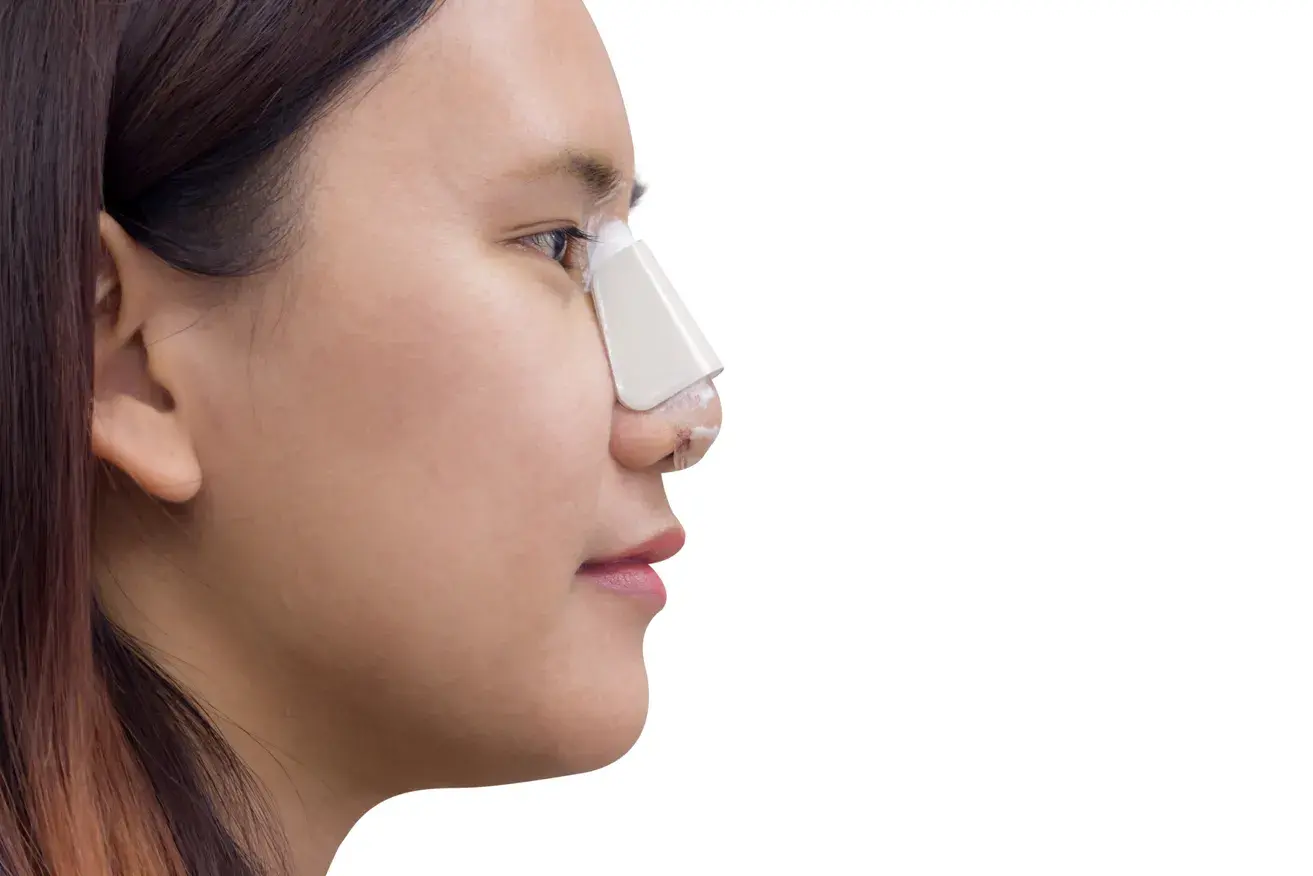
What to Expect During Recovery After Septoplasty and Rhinoplasty
Recovery experiences differ depending on the procedure performed and the extent of surgical correction involved. Individual healing timelines can also vary according to factors such as overall health and the body's natural recovery process.
Following septoplasty, patients may experience temporary swelling, congestion and a blocked sensation during the initial healing phase. Because internal structures are being adjusted, breathing may not immediately feel improved while tissues are settling. Many individuals gradually notice easier airflow as recovery progresses.
Rhinoplasty recovery often involves visible swelling around the nose and surrounding areas of the face, particularly during the early stages. Bruising around the eyes may occur in some cases. While initial changes become noticeable after swelling starts to subside, more subtle refinement can continue over several months as the nose settles into its final shape.
Understanding Which Procedure May Be Right for You
Septoplasty and rhinoplasty may both involve the nose, but they are designed to address different concerns. One aims to improve breathing and nasal function, while the other focuses more on appearance and facial balance. Understanding the differences between these procedures can make the decision-making process feel less overwhelming and help you feel more confident about the next steps.
At SW1 Plastic Surgery in Singapore, treatment planning is guided by Dr Tan Ying Chien and Dr Wu Yijun through careful assessment of individual needs, anatomy and desired outcomes. If you are considering nasal surgery and would like a clearer understanding of the options available, schedule a consultation to discuss your goals and explore an approach that feels right for you.
Frequently Asked Questions About Septoplasty and Rhinoplasty
Some individuals may notice temporary congestion after surgery because of swelling and healing within the nose. Improvements in airflow often become more noticeable gradually as recovery progresses.
Your surgeon's approach is another important factor in how scars heal and settle over time. Careful handling of tissue and precise closure techniques can support more even and refined healing. Post operative care, including proper wound management and following medical advice, also plays a key role in achieving better long term outcomes.
Yes. If a person has both breathing difficulties and concerns regarding nasal appearance, septoplasty and rhinoplasty can sometimes be combined into a single procedure known as septorhinoplasty.
Suitability is generally determined by overall health, nasal development and individual circumstances rather than age alone. Assessment focuses on whether surgery is appropriate and safe for the individual's needs.