



Before ear reconstruction surgery, careful planning is essential to achieve the best possible functional and aesthetic outcome. During your consultation, a plastic surgeon assesses the extent of the defect, discusses suitable reconstructive options and develops a personalised surgical plan. Understanding this planning process can help you know what to expect and make informed decisions about your treatment.
Understanding the Cause and Extent of the Ear Defect
A detailed assessment of the ear defect is the first step in planning ear reconstruction surgery to determine the most appropriate reconstructive approach and develop a treatment plan tailored to your individual needs.
Identifying the Underlying Cause
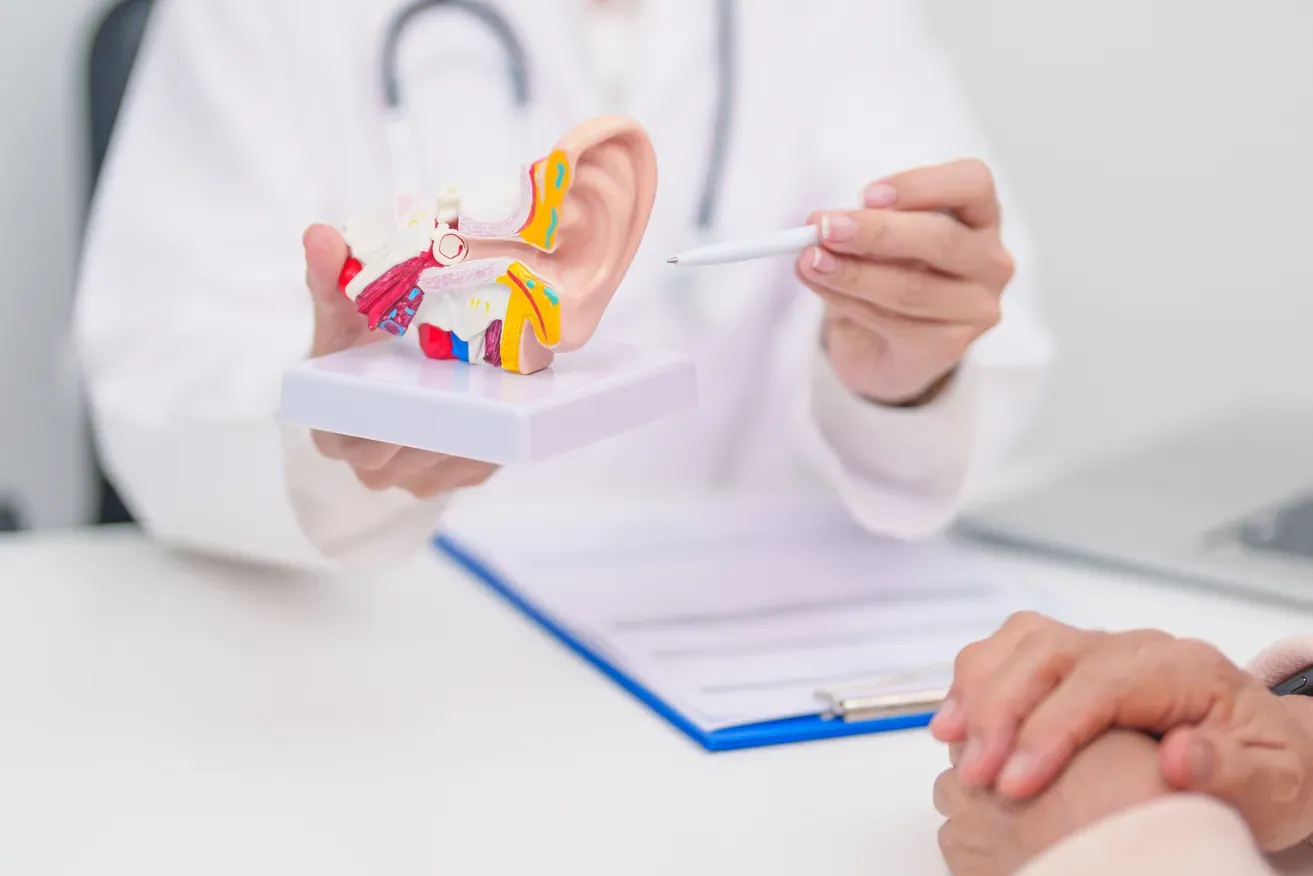
Every ear reconstruction procedure begins with understanding why the ear defect has occurred, as the underlying cause influences the surgical approach. Ear defects may have been present at birth, or acquired later in life. This includes microtia, where the external ear is underdeveloped or absent. Acquired defects may result from trauma, burns, infection, skin cancer removal or previous surgery.
Assessing the Extent of the Defect
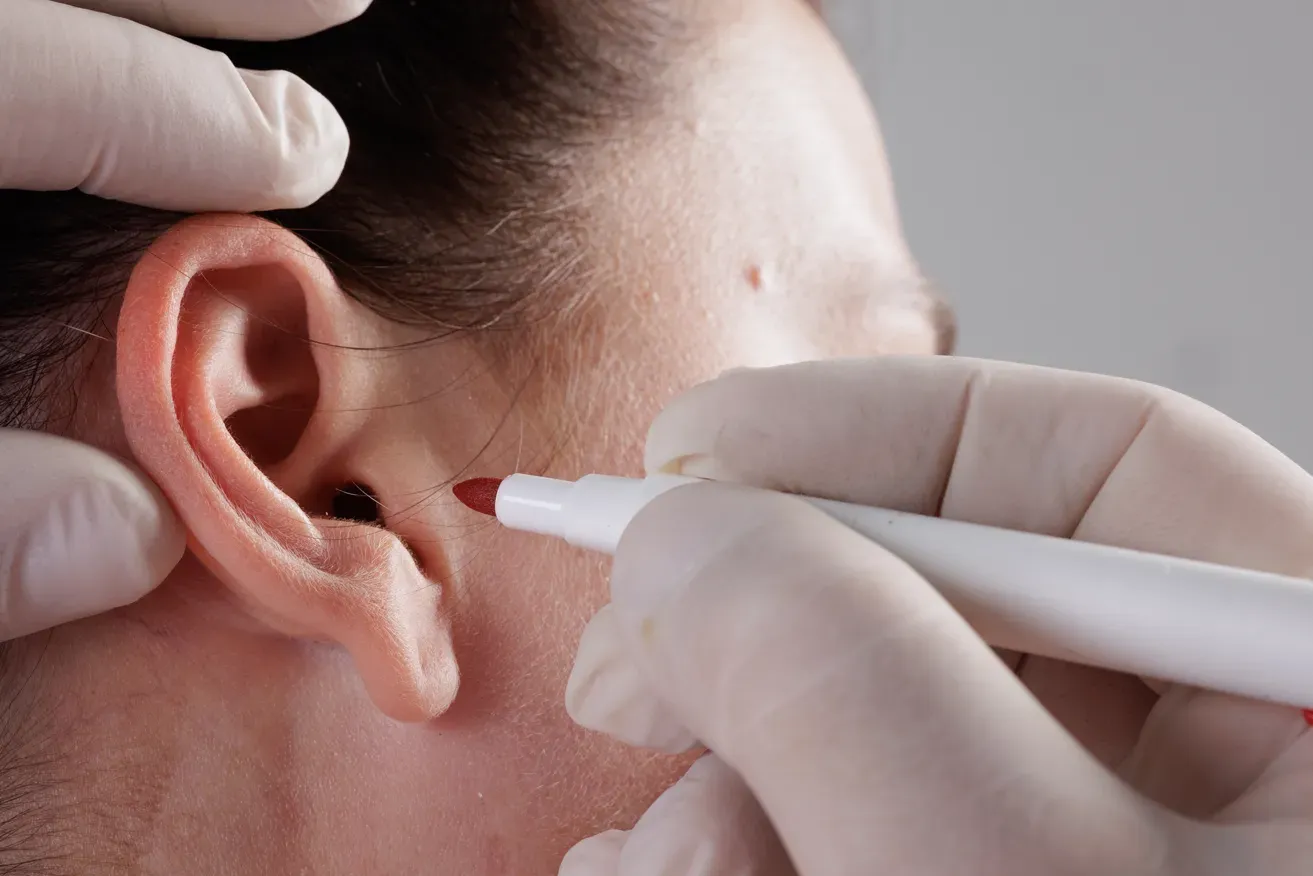
Your plastic surgeon will carefully examine the size, location and complexity of the ear defect. This includes evaluating how much skin, cartilage and surrounding tissue have been affected, as well as the quality of the remaining tissue and its blood supply. The unaffected ear is also assessed to guide reconstruction and achieve the best possible symmetry where appropriate.
Factors That Influence the Reconstructive Plan
The Size and Location of the Ear Defect
The extent of the ear defect is one of the most important factors in surgical planning. Small defects may be reconstructed using nearby tissue, while larger or more complex defects often require cartilage grafts, tissue flaps or staged reconstruction. The specific part of the ear affected, such as the upper rim, earlobe or entire external ear, also influences the reconstructive technique.
The Quality of the Surrounding Tissue
Healthy surrounding skin and soft tissue play an important role in successful reconstruction. Previous injuries, burns, radiation therapy or multiple surgeries may affect blood supply, tissue flexibility and healing potential. Your plastic surgeon considers these factors when selecting the safest and most reliable reconstructive approach.
Your Age and Overall Health
Your age, general health and ability to heal can all influence surgical planning. For children with congenital ear conditions such as microtia, reconstruction is often timed to allow sufficient ear cartilage development while considering facial growth. In adults, medical conditions, smoking status and other factors that affect wound healing are also taken into account when planning surgery.
Reconstructive Goals and Patient Preferences
Every reconstructive plan is tailored to the individual's goals and expectations. During the consultation, your plastic surgeon discusses the expected outcomes, potential limitations and whether reconstruction is likely to require one procedure or multiple stages, allowing you to make an informed treatment decision.
Discussing Reconstruction Options and Expected Outcomes
Before proceeding with surgery, your plastic surgeon will explain the reconstruction options that are appropriate for your specific condition and treatment goals. The recommended approach depends on the findings from your assessment, as different techniques are suited to different types of ear defects.
Choosing the Most Appropriate Reconstructive Technique
Once the assessment is complete, your plastic surgeon will explain the reconstruction options that are suitable for your condition. The recommended technique depends on the size and location of the defect, the quality of the surrounding tissue and your individual circumstances. Depending on the case, reconstruction may involve local tissue flaps, cartilage grafts taken from the ear or ribs, synthetic implants or a combination of techniques.
Understanding the Surgical Process
Your plastic surgeon will outline what the procedure involves, including whether reconstruction can be completed in a single operation or requires multiple stages. The discussion also covers the expected recovery timeline, post-operative care and any temporary activity restrictions. Understanding the overall treatment journey helps you prepare both physically and mentally for surgery.
Setting Realistic Expectations
Ear reconstruction aims to restore the ear's appearance while achieving a result that looks as natural and symmetrical as possible. However, every case is unique and reconstructed ears may not exactly match the unaffected ear in shape, size or fine details. Your plastic surgeon will explain the expected outcomes, potential limitations and possible risks so you can make an informed decision with realistic expectations.
Planning for Long-Term Results
Successful ear reconstruction extends beyond the operation itself. Follow-up appointments allow your plastic surgeon to monitor healing, assess the reconstructed ear and address any concerns that arise during recovery. In some cases, additional procedures or minor refinements may be recommended to optimise the final outcome after the tissues have fully healed.
Personalised Ear Reconstruction Surgery with SW1 Plastic Surgery
Every ear reconstruction surgery is tailored to the individual's anatomy, the cause and extent of the ear defect and the functional and aesthetic goals of treatment. Depending on your specific needs, reconstruction may involve different techniques and may be completed in a single stage or over multiple procedures. Careful surgical planning helps achieve the most appropriate outcome while preserving function wherever possible.
At SW1 Plastic Surgery, care is provided by Dr Tan Ying Chien and Dr Wu Yijun, with every reconstructive plan tailored to each patient's anatomy, condition and treatment goals. If you are considering ear reconstruction surgery or would like to understand the treatment options available for your condition, schedule a consultation with our team today.
Frequently Asked Questions (FAQs) About How Plastic Surgeons Plan Ear Reconstruction Surgery
Some patients only require one consultation before surgery, while others may benefit from additional visits if the reconstruction is complex or further investigations are needed. Multiple consultations also provide time to discuss questions, review treatment options and ensure you understand the planned procedure before making a decision.
Yes. Plastic surgeons use the unaffected ear as a reference when planning reconstruction whenever possible. While an exact match cannot always be achieved, careful measurements and surgical techniques aim to create a result that is proportionate, balanced and as symmetrical as possible.
Previous surgery does not automatically prevent ear reconstruction, although it may influence the treatment approach. Scar tissue, changes in blood supply and the availability of remaining cartilage or skin are carefully evaluated to determine the safest and most effective reconstructive strategy for your individual situation.