




Breast size can affect more than appearance alone. For some individuals, excessively large breasts may contribute to physical discomfort, posture issues and limitations in everyday activities. Symptoms such as neck pain, shoulder strain or difficulty participating in exercise can gradually begin to affect quality of life over time.
Breast reduction surgery is a procedure designed to reduce the size and weight of the breasts while improving their shape and proportion in relation to the body. Understanding when breast reduction may be appropriate and knowing what the treatment journey involves can make the process feel more manageable.

Key Takeaways
 Breast reduction surgery may be considered when breast size causes ongoing physical discomfort or affects daily activities
- The procedure removes excess breast tissue, fat and skin to create a lighter and more proportionate breast shape
- Potential benefits may include relief from pain, improved posture and greater comfort during movement
- Recovery occurs gradually and requires time for swelling to settle and tissues to heal
When Might Breast Reduction Surgery Be Appropriate?
Breast reduction surgery is often considered when symptoms extend beyond cosmetic concerns and begin affecting physical well-being or day-to-day function.

Persistent Neck, Shoulder or Back Discomfort
Large breasts can place additional strain on surrounding muscles and soft tissues. Over time, this may contribute to:
- Aching shoulders
- Upper back discomfort
- Neck tension
- Headaches related to poor posture
Symptoms may become more noticeable after long periods of standing, sitting or physical activity.
Difficulty Participating in Exercise or Physical Activities
Some individuals find that larger breasts make certain activities uncomfortable or difficult to perform.
This may include:
- Discomfort during running or sports
- Restriction of movement
- Difficulty finding suitable support garments
- Irritation caused by repetitive movement
When physical limitations begin affecting lifestyle or exercise habits, breast reduction surgery may become a consideration.
Skin Irritation and Bra Strap Grooves
Excess weight from larger breasts may also create pressure on the skin.
Common concerns include:
- Grooves developing from bra straps
- Irritation beneath the breast folds
- Recurring skin rashes
- Discomfort during hot or humid weather
These symptoms can persist despite changes in clothing or supportive undergarments.
Emotional or Lifestyle Impact
Physical symptoms are not the only factor. Some people may feel self-conscious about breast size or experience challenges with clothing choices and body proportion concerns. The decision to pursue surgery varies from person to person and often involves both physical and personal considerations.
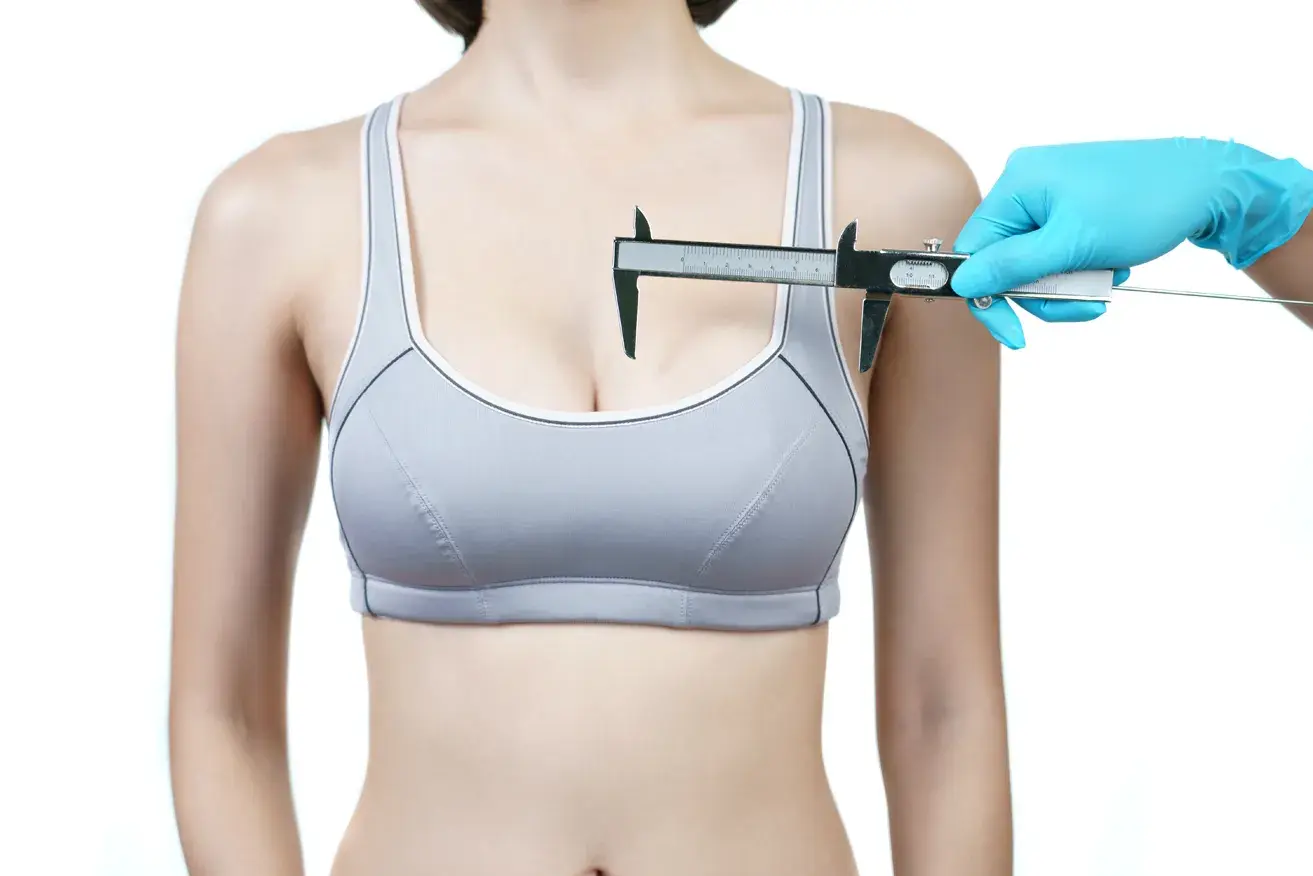
What Happens During Breast Reduction Surgery?
The procedure is performed under general anaesthesia and involves removing excess breast tissue, skin and fat to achieve the planned reduction.
The exact surgical technique may differ according to factors such as:
- Breast size and shape
- Skin quality
- Amount of tissue being removed
- Desired outcome
In many cases, the nipple and surrounding tissue are repositioned to achieve a more balanced appearance while maintaining natural breast contour. Your plastic surgeon will discuss the most suitable approach during consultation and explain what can realistically be achieved.
What Should You Expect During Recovery?
Recovery takes place gradually and experiences differ from one person to another.
During the initial period after surgery, it is common to experience:
- Swelling
- Bruising
- Temporary tightness or soreness
- Mild discomfort around the treatment area
Most individuals require approximately one to two weeks away from work depending on the nature of their activities. Light movement is usually encouraged early in recovery, although strenuous exercise and heavy lifting often need to be avoided for several weeks.
Swelling continues to improve over time and the breasts may take several months to settle into their more natural shape and position.
Finding Greater Comfort Through Breast Reduction Surgery
Living with persistent discomfort caused by excessively large breasts can affect many aspects of daily life, from posture and physical activity to clothing choices and overall well-being. Breast reduction surgery may help relieve physical strain while creating a breast shape that feels more proportionate and manageable for suitable individuals.
At SW1 Plastic Surgery in Singapore, care is provided by Dr Tan Ying Chien and Dr Wu Yijun, with treatment recommendations tailored to each patient's needs, priorities and surgical considerations. If you are considering breast reduction surgery and would like a clearer understanding of whether it may be suitable for your concerns and goals, reach out and schedule a consultation today.
Frequently Asked Questions About Breast Reduction Surgery
Breast reduction surgery involves incisions and some degree of scarring is expected. The location and appearance of scars vary depending on the surgical technique used and the amount of tissue being removed. Scars typically appear more noticeable during the early stages of healing and often fade gradually over time.
Yes, breastfeeding may still be possible after breast reduction surgery, although outcomes vary. Many women can breastfeed normally, while others may experience a reduced milk supply. This often depends on how much milk-producing tissue and the nerve connections to the nipple are preserved during surgery.
Suitability depends on several factors including symptoms, overall health, breast development and individual treatment goals. A plastic surgeon will assess your concerns and medical background before advising whether breast reduction surgery may be appropriate.