



After undergoing rhinoplasty, many people expect to feel fully satisfied with their results and more confident in their appearance. However, in some cases, concerns may remain once healing has progressed. This could include breathing difficulties, uneven contours or results that do not fully align with initial expectations. It can feel discouraging to be left uncertain after already completing surgery and recovery.
In such situations, a second procedure known as revision rhinoplasty may be considered to address functional issues, refine aesthetic outcomes or correct changes that have occurred during healing. Understanding when further surgery may be appropriate is an important step in making an informed and confident decision.
What Is Revision Rhinoplasty?
Revision rhinoplasty is a secondary nose surgery performed after a previous rhinoplasty. Its aim may be to correct structural concerns, improve airflow, refine appearance or address changes that developed during healing.
Unlike a first procedure, revision surgery is often more complex. Some patients seek revision surgery months after their original operation, while others only decide years later when functional or cosmetic concerns become more noticeable.
Common Reasons a Second Surgery May Be Needed
Not every imperfection requires another procedure. However, there are situations where revision rhinoplasty may be worth discussing with a qualified surgeon.

Persistent Breathing Difficulties
One of the most important reasons for further treatment is trouble breathing through the nose. This may happen if the nasal passages have narrowed, the septum remains deviated or internal support structures have weakened. If you notice ongoing blockage, noisy breathing or difficulty exercising comfortably, it is sensible to seek professional advice.
Irregular Shape or Asymmetry
Healing after rhinoplasty can be unpredictable. Swelling settles gradually and scar tissue may influence the final contour. In some cases, bumps, dips, twisting or uneven nostrils become more obvious over time.
When these changes are significant and affect confidence, revision surgery may help restore balance and proportion.
Over-Reduction or Collapse
Occasionally, too much bone or cartilage is removed during the first procedure. This can create a pinched appearance, weakened tip support or a nose that looks overly narrow.
Beyond appearance, over-reduction can also affect airflow. Revision treatment may involve rebuilding structure with cartilage grafts to improve both form and function.
Dissatisfaction With Aesthetic Outcome
Sometimes the nose may heal safely but still not align with what the patient expected. Perhaps the bridge remains too prominent, the tip feels bulky or the result appears less natural than hoped. This can be disappointing, but it does not always mean another operation is the right answer. A thorough consultation can help determine whether revision surgery is likely to achieve meaningful improvement.
What Makes Revision Rhinoplasty More Complex?
Revision rhinoplasty is usually more demanding than a first nose surgery because the tissues and internal framework have already been changed. Previous treatment can affect both the surgical approach and the healing process, which is why secondary procedures require detailed planning.
Scar Tissue From Earlier Surgery
After any operation, the body forms scar tissue as part of healing. In revision rhinoplasty, this scar tissue can blur the normal tissue layers and make it harder for the surgeon to separate structures cleanly. It may also reduce predictability when reshaping the nose.
Changes to the Original Structure
Some patients have had too much cartilage or bone removed during their first procedure. Others may have shifting or weakened support over time. When this happens, revision surgery often involves rebuilding the nasal framework rather than simply refining appearance.
Need for Cartilage Grafts
If there is not enough cartilage remaining inside the nose, additional graft material may be needed to restore strength or improve contour. This is commonly taken from the ear or rib. Using grafts can improve support, but it also adds another stage to the procedure and an additional area of recovery.
Skin and Soft Tissue Limitations
The nasal skin and surrounding soft tissue may have been stretched, thinned or affected by scarring after earlier surgery. This can reduce flexibility and make it more challenging to achieve smooth, balanced reshaping while preserving healthy blood flow.
Correcting Breathing Problems
Many revision cases involve more than appearance alone. Previous surgery may have led to narrowing of the airway or collapse of the nasal valves, causing blockage or difficulty breathing. Repairing these concerns often requires careful structural reconstruction.

How to Know If You Are a Suitable Candidate
Revision rhinoplasty may be considered if you:
- Are unhappy with the function or appearance of your nose after previous surgery
- Have realistic goals about what can be improved
- Are in good general health
- Have allowed enough healing time since the first operation
- Understand that refinement, rather than perfection, is usually the aim
What to Expect During Consultation
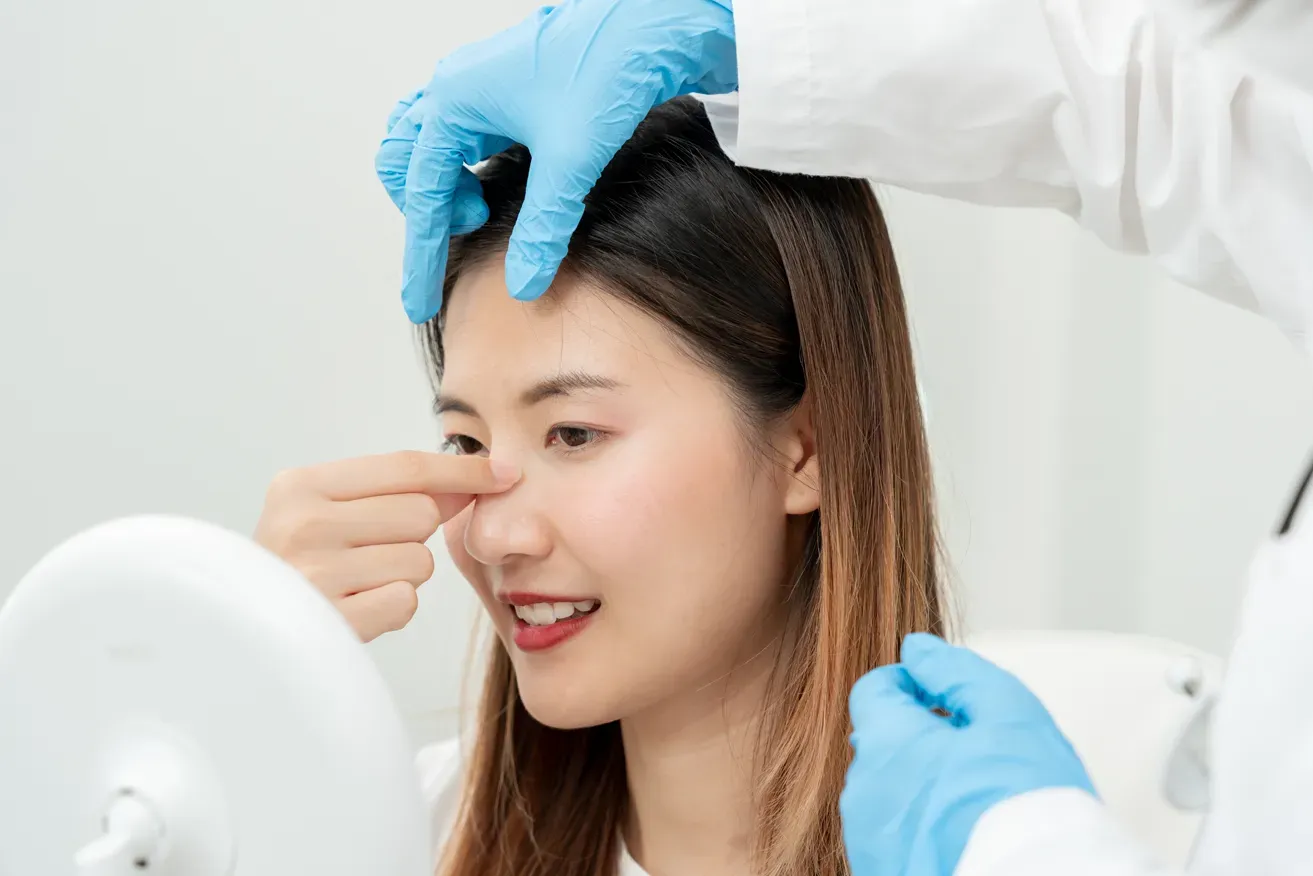
Your consultation should cover your previous surgery, healing journey and present concerns. The surgeon may assess breathing, skin quality, scar tissue and structural support. Photographs and imaging may also be discussed to help with planning.
This is also the time to ask practical questions about recovery, risks, expected improvements and limitations. Honest discussion helps create a more informed decision.
A Thoughtful Approach to Revision Rhinoplasty
Revision rhinoplasty can offer a valuable second chance when breathing problems persist, structural issues remain or the original outcome does not meet expectations. At the same time, it requires thoughtful timing, skilled planning and a realistic understanding of what can be achieved.
If you are considering whether another procedure is appropriate, personalised guidance can make all the difference. At SW1 Plastic Surgery, patients receive individual assessment and tailored recommendations from Dr Tan Ying Chien and Dr Wu Yijun based on their concerns and surgical history. To explore your options for revision rhinoplasty in Singapore, reach out and schedule a consultation today.