

Septoplasty in Singapore
Persistent nasal blockage is not always caused by allergies or congestion. For some individuals, a deviated nasal septum can restrict airflow, making it difficult to breathe comfortably through the nose. Septoplasty straightens the nasal septum to improve nasal airflow while preserving the external appearance of the nose. When combined with rhinoplasty, it can also address concerns about nasal appearance. At SW1 Plastic Surgery, our MOH-accredited plastic surgeons assess your nasal anatomy, symptoms and treatment goals to determine whether septoplasty is appropriate for your needs.
 SW1 Plastic Surgery
Dr Tan Ying Chien
Consultant Plastic Surgeon
MBBS (National University of Singapore), Masters in Medicine (Surgery), Member of Royal College of Surgeons Edinburgh, Fellow of Academy of Medicine, Singapore (Plastic Surgery)

Dr Wu Yijun
Consultant Plastic Surgeon
MBBS (National University of Singapore), Masters in Medicine (Surgery), Member of Royal College of Surgeons Edinburgh, Fellow of Academy of Medicine, Singapore (Plastic Surgery)
When Might Septoplasty Be Considered?
Septoplasty may be considered when a deviated nasal septum contributes to persistent breathing difficulties or other symptoms affecting nasal function. While not every blocked nose is caused by a deviated septum, identifying the cause of your symptoms helps determine whether septoplasty or other treatment options may be appropriate.

Persistent Nasal Obstruction
A deviated septum can narrow one or both nasal passages, making it difficult to breathe comfortably through the nose. Some patients notice the blockage all the time, while others find it becomes more noticeable during exercise or when lying down.
Frequent Nasal Congestion
Ongoing nasal congestion that does not improve with medication or persists without an obvious cause may sometimes be related to the underlying nasal structure rather than allergies or a temporary illness.
Recurrent Sinus Problems
Reduced airflow and poor drainage within the nose may increase the likelihood of recurrent sinus infections or ongoing sinus discomfort in some individuals.
Nosebleeds or Dryness
Changes in airflow caused by a deviated septum may contribute to dryness inside the nose, which can make some people more prone to recurrent nosebleeds.
Difficulty Sleeping Because of Nasal Blockage
Restricted nasal airflow may make breathing through the nose more difficult during sleep, contributing to disrupted sleep or snoring in some patients. Septoplasty may be considered when a deviated septum is identified as part of the underlying cause.
Understanding Your Septoplasty Options
Septoplasty may be performed on its own or combined with other procedures, depending on the cause of your symptoms and whether you have concerns about the appearance of your nose. Following assessment, your surgeon will recommend the approach that best addresses your symptoms and treatment goals.
Septoplasty
Septoplasty with Turbinate Reduction
Septorhinoplasty
Purpose
Best Suited For
External Appearance
Planning Considerations
The most appropriate approach depends on your nasal anatomy, the cause of your symptoms and whether additional procedures may be beneficial.

The SW1 Approach to Septoplasty
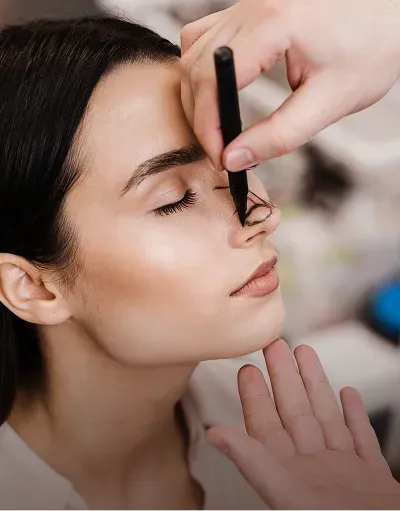
Successful septoplasty involves more than straightening the nasal septum. Improving nasal airflow requires careful assessment of the internal nasal structures, the cause of your symptoms and how each contributes to nasal function. At SW1 Plastic Surgery, treatment planning focuses on addressing the underlying cause of nasal obstruction while preserving the external appearance of the nose where appropriate.
Understanding Your Symptoms
Breathing difficulties can vary from person to person. Some patients experience persistent nasal blockage, while others are more affected by recurrent sinus problems, nosebleeds or disrupted sleep. Understanding how your symptoms affect daily life helps guide treatment planning.
Assessment and Treatment Planning
Your surgeon assesses the internal structures of the nose to determine whether a deviated septum is contributing to your symptoms and whether other factors, such as enlarged turbinates, may also be affecting nasal airflow. This assessment helps identify the treatment approach most appropriate for your needs.
Septoplasty and Rhinoplasty
Septoplasty and rhinoplasty address different concerns but may sometimes be performed together. Septoplasty focuses on improving nasal function by correcting a deviated septum, while rhinoplasty reshapes the external appearance of the nose. For patients with both functional and aesthetic concerns, the procedures may be combined as part of a single surgical plan.
Advanced Imaging and Surgical Facilities
SW1 Plastic Surgery is equipped with Vectra 3D imaging technology, which can support surgical planning when septoplasty is combined with rhinoplasty and help patients better visualise potential outcomes. Procedures are performed in our MOH-accredited operating theatres, providing continuity of care within a single clinic setting.
What Happens During Septoplasty?
Septoplasty is typically performed as a day surgery procedure under general anaesthesia. The surgical approach is planned according to the degree of septal deviation and whether additional procedures, such as turbinate reduction or rhinoplasty, are being performed.
Anaesthesia
Septoplasty is commonly performed under general anaesthesia to ensure your comfort throughout the procedure.
Accessing the Nasal Septum
The procedure is performed through incisions made inside the nose, allowing the surgeon to access the nasal septum without external incisions.
Correcting the Septal Deviation
The deviated portions of cartilage and bone are adjusted to improve the nasal airway while preserving structural support for the nose.
Supporting the Septum During Healing
Depending on the surgical plan, soft splints or other supportive materials may be placed inside the nose to help maintain the position of the septum during the initial stages of healing. These are usually removed during a follow-up appointment.
Procedure Duration
Septoplasty typically takes between one and two hours, depending on the degree of septal deviation and whether it is combined with other procedures.

Recovery After Septoplasty
Recovery following septoplasty varies depending on the extent of the procedure, whether additional procedures were performed and individual healing factors. Your surgeon will provide detailed aftercare instructions and review your healing during scheduled follow-up appointments.
The First Few Days
It is common to experience nasal congestion, mild swelling and a small amount of blood-stained discharge during the early stages of recovery. These symptoms generally improve as healing progresses.
Caring for Your Nose
Patients are advised to avoid blowing their nose, strenuous activities and activities that may disrupt the healing tissues. Your surgeon will also advise you on the use of saline sprays, prescribed medications and other aftercare measures where appropriate.
Returning to Daily Activities
Many patients are able to resume light daily activities within several days, although recovery timelines vary depending on the procedure performed and individual healing. Your surgeon will advise when it is appropriate to return to work, exercise and other routine activities.
When Will I Notice an Improvement in Breathing?
Nasal congestion during the early stages of healing may temporarily affect breathing. As swelling settles and the nose heals, patients often notice a gradual improvement in nasal airflow over the following weeks.
Follow-Up Care
Follow-up appointments allow your surgeon to monitor healing, assess your recovery and determine when any internal splints, if used, can be safely removed.
Breathe More Comfortably with SW1 Plastic Surgery
Septoplasty can improve nasal airflow by correcting a deviated nasal septum that contributes to persistent nasal obstruction and other functional concerns. Whether performed on its own or combined with rhinoplasty, treatment is guided by your nasal anatomy, symptoms and treatment goals.
At SW1 Plastic Surgery, septoplasty is performed by MOH-accredited plastic surgeons Dr Tan Ying Chien and Dr Wu Yijun. Drawing on their experience in reconstructive and aesthetic plastic surgery, they develop treatment plans based on the cause of your symptoms and your individual functional needs. Schedule a consultation with us today to discuss your symptoms and explore your treatment options.
FAQs on Septoplasty
Septoplasty is performed to improve nasal function by correcting a deviated septum and does not usually change the external appearance of the nose. However, if you also have cosmetic concerns, septoplasty may be combined with rhinoplasty as part of the same surgical plan.
Septoplasty is performed through incisions inside the nose, so there are no external scars from the procedure itself. As with any surgery, your surgeon will discuss the planned incisions and what to expect during healing.
The correction achieved with septoplasty is generally long-lasting. However, significant injury or trauma to the nose after surgery may affect the position of the septum and, in some cases, further treatment may be considered.
Patients are usually advised to avoid blowing their nose during the early stages of recovery to allow the tissues to heal. Your surgeon will advise when it is appropriate to resume normal nose blowing based on your recovery progress.
Yes. Septoplasty may be combined with procedures such as turbinate reduction or rhinoplasty when appropriate. Whether this is recommended depends on your symptoms, nasal anatomy and treatment goals.
Nasal congestion during the early stages of healing may temporarily affect breathing. As swelling settles, most patients notice a gradual improvement in nasal airflow, although the timeline varies depending on individual healing.
Meet Your Septoplasty Surgeons
Septoplasty at SW1 Plastic Surgery is performed by MOH-accredited plastic surgeons Dr Tan Ying Chien and Dr Wu Yijun. Drawing on their experience in reconstructive and aesthetic plastic surgery, they assess nasal anatomy and function to develop treatment plans that address each patient's symptoms and functional needs.

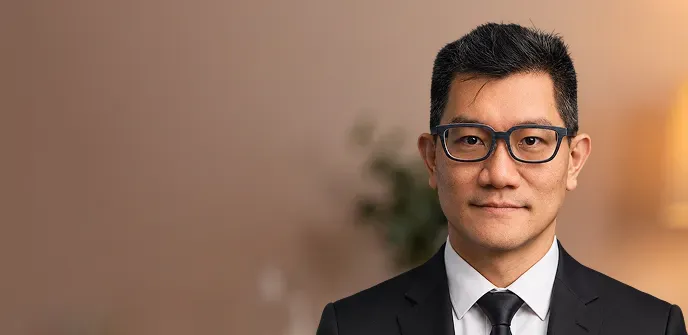

Dr Tan Ying Chien
Consultant Plastic Surgeon
MBBS (Singapore), MMed (Surgery),MRCS (Edinburgh), FAMS (Plastic Surgery)
Dr Tan Ying Chien
Consultant Plastic Surgeon
MBBS (Singapore), MMed (Surgery),MRCS (Edinburgh), FAMS (Plastic Surgery)
Dr Tan Ying Chien has experience spanning reconstructive, craniofacial and aesthetic plastic surgery. His detailed understanding of nasal anatomy and facial structures supports careful planning for septoplasty, whether performed as a functional procedure or in combination with rhinoplasty.


Dr Wu Yijun
Consultant Plastic Surgeon
MBBS (Singapore), MMed (Surgery),MRCS (Edinburgh), FAMS (Plastic Surgery)
Dr Wu Yijun
Consultant Plastic Surgeon
MBBS (Singapore), MMed (Surgery),MRCS (Edinburgh), FAMS (Plastic Surgery)
Dr Wu Yijun has experience in reconstructive and aesthetic plastic surgery, taking a thoughtful approach to surgical planning and patient care. She carefully assesses each patient's anatomy, functional concerns and treatment goals to develop a personalised treatment plan tailored to their individual needs.