

Dr Tan Ying Chien
Consultant Plastic Surgeon
MBBS (National University of Singapore), MMed (Surgery), Member of the Royal College of Surgeons Edinburgh, Fellow of the Academy of Medicine, Singapore (Plastic Surgery)
Table of Contents
Have you ever wished your eyes looked brighter or more defined, but felt unsure which method could achieve it? For many people in Singapore with monolids, double eyelid surgery offers a way to enhance the eye’s natural contour, creating a refreshed, open appearance. With two main techniques—incisional and non-incisional—choosing the right approach depends on your anatomy, lifestyle and desired results. Continue reading as we explore the differences between these methods and help you decide which option may be best for you.
What Is Incisional Double Eyelid Surgery?
Incisional double eyelid surgery creates a permanent crease by reshaping the underlying eyelid structures. Unlike suture-based methods, this technique allows the surgeon to remove excess skin, reduce fat and adjust muscle when necessary, providing strong structural support.
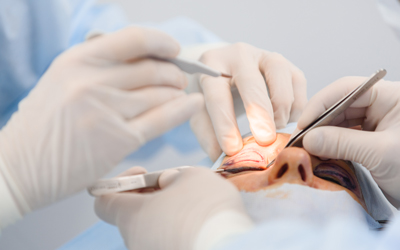
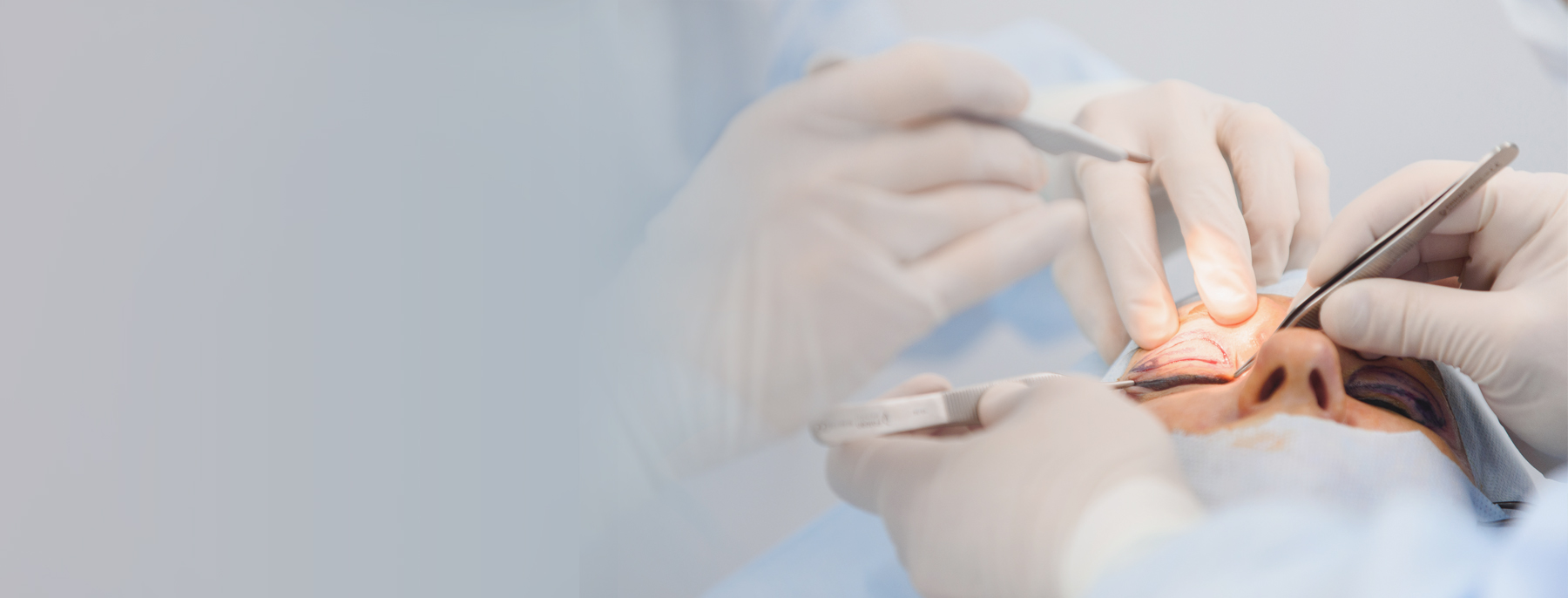
The procedure is typically performed under local anaesthesia, sometimes with sedation. A fine incision is made along the planned crease line. Through this opening, the surgeon can remove redundant tissue, address puffiness caused by orbital fat or correct mild ptosis if present. The skin is then secured to deeper tissues with sutures to anchor the new fold.
This method is often recommended for:
- Patients with "hooding" or excess skin that obscures the eye
- Individuals with puffy upper lids caused by fat prominence
- Those seeking a higher or more defined crease
- Patients who require simultaneous ptosis correction
What Is Non-incisional Double Eyelid Surgery?
Non-incisional surgery, also known as the suture method, creates a crease without a full incision. Instead, fine sutures are placed through small punctures to form an adhesion between the skin and the levator mechanism, simulating a natural fold.
As there is no external cut, swelling is usually milder and recovery is faster. The crease often appears softer in the early stages, which appeals to patients seeking subtle enhancement.
This technique is commonly chosen by:
- Patients with thin eyelid skin and minimal excess fat
- Younger patients seeking a subtle enhancement without permanent structural changes
- Those who prefer shorter downtime and minimal visible scarring
Who Should Consider the Incisional Method?
The incisional method provides more comprehensive correction and long-lasting results. It is often the preferred choice for individuals with specific eyelid concerns, including:
- Heavy Monolids: When the eyelid tissue is thick or lacks a natural fold, an incision creates a stable anchor for the new crease.
- Revision Cases: For patients whose previous suture-based creases have loosened or faded, the incisional method offers a more definitive and lasting result.
- Advanced Ageing: As skin loses elasticity over time, excess or sagging tissue can only be addressed through an incision.
- Structural Asymmetry: If one eyelid appears smaller due to muscle weakness, the surgeon can adjust muscle tension during the procedure to improve symmetry.
- Desire for Permanence: While suture techniques may loosen after several years, incisional double eyelid surgery is considered a permanent solution.
Who May Prefer Non-Incisional Techniques?
While the incisional method provides long-term structural change, non-incisional techniques prioritise simplicity and subtle refinement. This approach is often better suited for individuals who value minimal intervention and a quicker recovery, including:
- Suitable Eyelid Anatomy: Patients with a faint or “hidden” natural crease who wish to enhance definition.
- Preference for a Subtle Look: Individuals seeking a soft, natural fold that mimics a genetic crease rather than a pronounced surgical line.
- Option for Early Adjustment: In the initial stages, the sutures can sometimes be adjusted or removed if the crease height or shape does not meet expectations.
- Concern About Visible Scarring: For those prone to scarring or worried about marks, the puncture-based technique usually leaves little to no trace once healed.
Possible Risks and Complications
Both incisional and non-incisional techniques are generally safe when performed by an experienced specialist, but, as with any surgical procedure, complications can occur.
Possible risks include:
- Post-Operative Swelling: Swelling is common with both techniques, though it is usually more noticeable and lasts longer after an incisional procedure.
- Asymmetry: Minor differences in crease height or eye shape can appear as tissues settle, reflecting natural variations between the eyes.
- Suture-related Issues: With non-incisional surgery, sutures may loosen or break over time, which can cause the crease to fade.
- Infection: While uncommon due to the eyelid’s strong blood supply, proper post-operative care and hygiene are essential to minimise risk.
- Temporary Sensation Changes: Mild numbness or altered sensation near the lash line may occur and typically resolves within a few months.
Cost Comparison
The cost of double eyelid surgery in Singapore varies depending on the surgeon’s experience, clinic standards and the complexity of the technique. Non‑incisional procedures are generally less expensive, with typical ranges starting around SGD 3,200 to SGD 4,000, while incisional surgery, which involves more operating time and tissue adjustment, usually starts from about SGD 5,000. Exact fees depend on individual anatomy and whether additional correction such as ptosis repair is required. Rather than focusing solely on price, it is important to prioritise safety, accreditation and surgical expertise.
How to Choose the Right Technique for You
Choosing between incisional and non-incisional surgery depends on your anatomy, goals and recovery preferences. During consultation, your surgeon will assess:
- Skin thickness and elasticity
- Fat distribution in the upper lid
- Presence of ptosis or asymmetry
- Your tolerance for downtime
- Desired crease height and definition
A personalised assessment ensures the recommendation aligns with both your facial balance and long-term expectations.
Double Eyelid Surgery at SW1 Plastic Surgery
Deciding between incisional and non-incisional double eyelid surgery can feel overwhelming, especially when both methods have clear advantages. The most important factor is understanding which technique suits your unique eyelid anatomy, rather than following trends or convenience. At SW1 Plastic Surgery, every consultation is personalised. Our surgeons carefully assess your eyelid structure, discuss realistic outcomes and recommend an approach that enhances your natural features while maintaining balance with the rest of your face.
If you are considering double eyelid surgery, booking a consultation is the most reliable way to gain clarity. Contact our team at 6690 2471 to explore your options, understand recovery and move forward with confidence, knowing your care is guided by experience and clinical precision.

FAMS (Plastic Surgery)

FAMS (Plastic Surgery)
Paragon
#13-01/2/3/4/5/6 Paragon
+65 6690 2471