



Dr Tan Ying Chien
Consultant Plastic Surgeon
MBBS (National University of Singapore), MMed (Surgery), Member of the Royal College of Surgeons Edinburgh, Fellow of the Academy of Medicine, Singapore (Plastic Surgery)
Table of Contents
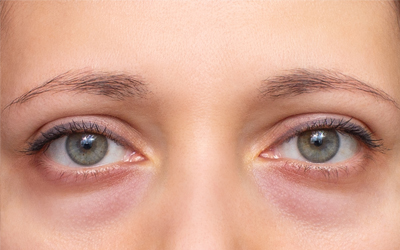
You catch your reflection during a video call or on your commute home and notice the same stubborn puffiness beneath your eyes. Even on days when you feel well rested, the under-eye area may make you appear tired or older than you feel. When creams, serums and non-surgical treatments no longer seem to make a visible difference, it is natural to wonder what options remain.
Lower blepharoplasty, commonly known as eyebag surgery, addresses the underlying structural causes of under-eye fullness to achieve more lasting improvement. In this article, we explain how the procedure is performed, and how treatment is tailored to your individual anatomy and aesthetic goals.
Preparing for the Procedure
A successful eyebag surgery begins well before the day of the procedure. Careful preparation ensures both patient safety and surgical precision. The process typically involves:
- Clinical Evaluation: A detailed assessment of your lower eyelid anatomy, skin elasticity and medical history. Patients with cardiovascular conditions or bleeding disorders may require medical clearance before proceeding.
- Anaesthesia Discussion: Most lower blepharoplasty procedures are performed under local anaesthesia with intravenous sedation. General anaesthesia may be recommended for more complex cases or combined procedures.
- Pre-Surgical Instructions: You may be advised to pause certain medications particularly blood thinners, and follow fasting guidelines to reduce surgical risks.
Step-by-Step: How Eyebag Surgery Is Done
Lower blepharoplasty is highly individualised. The surgical plan is designed around your facial structure, degree of skin laxity and extent of fat protrusion.
1. Marking and Planning
The surgeon begins by carefully marking the lower eyelid margin, orbital rim and areas of fat prominence. These markings act as a precise guide to ensure symmetry and natural-looking results.
2. Making the Incisions
The technique chosen depends on your anatomy and skin condition:
- Transconjunctival Approach: An incision is made inside the lower eyelid. This method is commonly used in younger patients with good skin elasticity, as it allows fat repositioning or removal without visible external scarring.
- Transcutaneous Approach: An incision is made just below the lower lash line. This is preferred when excess skin needs to be removed or when additional muscle tightening is required. The scar typically heals discreetly along the lash margin.
3. Fat Repositioning or Removal
Rather than removing large amounts of fat, modern techniques prioritise careful repositioning. By redistributing fat into hollow areas such as the tear trough, the surgeon softens sharp contours and creates a seamless transition between the lower eyelid and cheek. This approach reduces the risk of a hollowed appearance and supports a more natural result.
4. Skin Tightening or Resurfacing
After volume has been addressed, the surgeon evaluates the quality of the overlying skin and muscle. If laxity is present, excess skin may be conservatively trimmed to restore firmness. In selected cases, the orbicularis oculi muscle is tightened to strengthen eyelid support and enhance long-term stability.
5. Closing the Incision
With the necessary adjustments complete, the incisions are carefully closed. Transconjunctival incisions typically heal without stitches. When an external approach is used, fine sutures are placed just beneath the lash line and removed within several days. With proper aftercare, scars are usually discreet and fade well over time.
What Happens Immediately After the Procedure
Following surgery, you will be monitored in a recovery area to ensure you are comfortable and medically stable. Because lower blepharoplasty is most often performed as a day procedure, patients typically return home the same day.
- Initial Symptoms: Mild swelling, bruising and temporary tightness are expected during the first few days.
- Early Recovery: Keeping your head elevated and applying cold compresses within the first 48 hours can help reduce inflammation.
- Activity Restrictions: Light activities are usually resumed within a week, while strenuous exercise should be avoided for several weeks to allow proper healing.
How the Surgical Process Differs by Patient Needs
Eye bag reduction surgery is never a one-size-fits-all procedure. Here are some factors surgeons must take into consideration to ensure your results harmonise with the rest of the face:
- Age-specific Considerations: Younger patients often require fat repositioning alone, while older individuals may benefit from skin excision and muscle support.
- Gender Differences: Surgical plans for men generally aim to maintain a natural, less overcorrected appearance, whereas women may prefer a softer rejuvenation.
- Anatomical Variations: Skin thickness, bone structure and ethnic facial features are carefully assessed to achieve balanced, culturally appropriate results.
Tailored Eyebag Surgery at SW1 Plastic Surgery
The goal of lower blepharoplasty is not to change who you are, but to restore a rested, natural appearance by addressing the structural causes of under-eye puffiness. When performed thoughtfully, the result is subtle, balanced and long lasting.
If you are seeking a permanent solution for persistent eye bags, a consultation is the most reliable way to explore your options. Speak with our team at SW1 Plastic Surgery to receive a personalised assessment, and move forward with clarity and confidence.

FAMS (Plastic Surgery)

FAMS (Plastic Surgery)

Paragon
#13-01/2/3/4/5/6 Paragon
+65 6690 2471